Gravel riding blends road efficiency with trail comfort, so choosing the right suspension stem can dramatically reduce fatigue on rough surfaces. The suspension stems listed here are designed to dampen bumps, absorb vibrations, and improve rider control without sacrificing steering accuracy. This guide focuses on five top options that balance travel, adjustability, and compatibility for gravel and mixed-terrain bikes. Each product below includes its features, performance notes, and ideal riding scenarios to help you compare at a glance.
| Product | Brand | Travel (mm) | Key Feature | Spring Options |
|---|---|---|---|---|
| MEROCA Suspension Stem | MEROCA | 15–20 | 4 interchangeable springs for terrain tuning | 4 springs |
| KINEKT Suspension Stem | Kinekt | N/A | 50‑degree high rise; multiple length options | 3 springs |
| REDSHIFT ShockStop Stem | REDSHIFT | 20 | Up to 70% bump damping, rigid lateral geometry | 1–2 springs (per model) |
| Bibike Suspension Stem | Bibike | 30 | Three springs; 0 to -23-degree absorption range | 3 springs |
| REDSHIFT ShockStop PRO | REDSHIFT | 20 | 15% lighter; up to 70% dampening | 3 springs |
MEROCA Suspension Stem For Gravel Bikes

The MEROCA suspension stem is designed to fit standard 1-1/8-inch steerers and 31.8mm handlebars, offering broad compatibility with modern gravel and mountain bikes. It provides 15–20mm of damping travel, which helps soften road buzz and rough gravel without compromising steering precision. A standout feature is the 4 interchangeable springs, allowing riders to tailor responsiveness to terrain and personal preference. That versatility is especially useful on mixed-terrain rides where grip and control must adapt quickly to changing conditions.
Installation considerations focus on compatibility and setup. The stem is intended for most contemporary frames, but prospective buyers should verify that their steer tube diameter and handlebar clamps match the stem’s specifications. Riders who frequently switch between pavement and dirt will benefit from the ability to swap springs to suit long climbs or rough descents. Overall, MEROCA provides a balanced blend of comfort, control, and customizable dampening for gravel-focused riders seeking a lower-fatigue ride.
KINEKT Suspension Stem For Gravel Rides

The KINEKT suspension stem is designed to optimize shoulder and neck comfort across road, gravel, and even e-bike platforms. It offers multiple length options, including 90mm, 100mm, 105mm, and 120mm, with two rise angles: 7-degree and 30-degree. This setup supports riders who want a performance-oriented position on longer climbs or a more upright posture on relaxed rides. The stem also ships with three adjustable springs—soft, medium, and firm—so you can fine-tune vertical compliance to different terrains and riding styles. Measuring your current stem length and model is advised before purchasing to ensure a precise fit.
Reality checks for gravel enthusiasts include noting how the higher rise affects cockpit geometry and weight. The 50-degree high rise option can increase comfort on rough sections but may require a slight adjustment in steering technique during rapid cornering. The modular spring system makes it possible to dial in suspension feel without swapping parts. KINEKT’s offering stands out for riders who value a premium, highly customizable setup that can adapt to evolving riding goals over time.
REDSHIFT ShockStop Suspension Stem
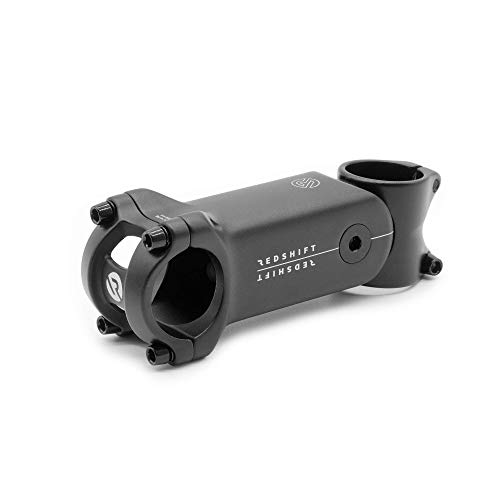
REDSHIFT’s ShockStop model focuses on reducing hand, wrist, and upper-body fatigue through active dampening. With up to 70% bump and vibration dampening, this stem helps riders maintain control and efficiency over rough terrain. The 20mm of damped suspension travel provides a balanced amount of vertical compliance without sacrificing steering stability. Lateral rigidity remains comparable to a traditional stem, enabling confident sprinting or climbing while the suspension handles vertical disturbances. This makes ShockStop a popular choice for gravel riders who encounter a mix of washboard gravel and smoother pavement.
As with any suspension upgrade, the key trade-off is weight and complexity. The ShockStop design aims to deliver noticeable comfort gains without compromising steering feel. It’s suitable for riders seeking a reliable, no-nonsense dampening system that integrates with most standard road and gravel bikes, provided the stem’s diameter and clamp area match the bike’s setup. Maintenance is straightforward, and the system can be an effective mid-range option for everyday gravel adventures.
Mountain Bike Shock Spring Absorber Stem

The Mountain Bike Shock Spring Absorber Stem (Sgxbos) emphasizes a robust spring-based approach to vibration reduction. With 1-1/8 inch steerers and 31.8mm handlebars compatible by design, this stem focuses on reducing as much vibration as possible, aiming to relieve wrist fatigue and back strain on longer gravel adventures. The model notes a 30mm travel, and the design allows a 0-degree initial angle with an adjustable absorption range up to -23 degrees, giving riders a customizable stance suited to endurance rides or fast descents. The spring setup is intended to dampen irregularities efficiently, translating to smoother rides over rough sections.
Riders should consider the fit with their handlebars and the bike’s weight distribution. The inclusion of multiple spring rates supports different rider weights and terrains, but installation might require careful alignment with steerer diameter and clamp hardware. This stem is a practical option for riders seeking a straightforward, spring-centered approach to gravel comfort without needing highly complex adjustability.
REDSHIFT ShockStop PRO Suspension Stem
The SHOCKSTOP PRO takes the ShockStop concept further with enhanced materials and precision engineering. It weighs about 15% less than the standard version, thanks to lightweight titanium hardware and refined CNC machining. It provides up to 70% bump and vibration dampening with 20mm of travel, delivering a balanced combination of comfort and steering control for gravel and mixed-terrain rides. The PRO version is designed for riders who want a premium finish, improved aesthetics, and slightly better weight efficiency while maintaining the same core dampening benefits as the non-PRO model.
For buyers weighing upgrades, PRO is a compelling option when you want a high-end look and feel with consistent dampening across varied terrain. Installation compatibility remains similar to other REDSHIFT stems, and the choice between PRO and standard variants often hinges on budget, weight goals, and the desire for a lighter component with a refined finish. This stem is well suited for riders who put emphasis on long-term durability and performance during extended gravel runs.
Buying Guide: Key Purchase Considerations For Suspension Stems
- Compatibility: Confirm steer tube diameter (1-1/8 inch is common) and handlebar clamp size (commonly 31.8mm). Some stems offer adapters to accommodate smaller clamps, but confirmation saves installation trouble.
- Travel And Dampening: Travel ranges from 15mm to 30mm in these selections. More travel improves bump absorption on rough sections but can slightly alter steering feel; test for stability on long descents and fast corners.
- Spring Options: Multiple springs allow tuning to terrain and rider weight. At least 3–4 spring choices provide a broad range of response profiles for gravel and mixed terrain.
- Angle And Rise: Rises range from 0–30 degrees in some models, and others offer high-rise configurations. A higher rise can improve comfort on rough terrain but may change cockpit reach and weight balance.
- Length And Headset Interaction: Some stems provide a choice of lengths (e.g., 90–120mm). Ensure the stem length aligns with your current cockpit geometry to avoid excessive stack height or reach changes.
- Weight And Material: Models with titanium hardware or CNC finish introduce weight savings and durability but at a price premium. Consider weight targets for endurance gravel riding.
- Maintenance: Suspension stems require periodic inspection of springs, dampers, and fixings. Check for smooth operation and signs of wear after several months of riding.
- Intended Use: Road, gravel, and e-bike platforms may influence which stem suits your needs best. For frequent mixed-terrain riding, a model with broad adjustability and spring options is advantageous.
- Compatibility With Accessories: If you use integrated cables or specific handlebars, verify there are no conflicts with the stem’s clamp or bar roll.
In summary, the five options highlighted here provide a spectrum of dampening, adjustability, and compatibility that can fit diverse gravel setups. Assess your typical routes, riding posture, and cockpit geometry to determine which stem aligns best with your goals for comfort, control, and efficiency on mixed terrain.