Riders seeking extra traction and stability on varied terrains rely on fat tire wheels. From deep snow to soft sand and rugged trails, wider tires increase ground contact and inspire confidence. This guide highlights five widely compatible fat-tire wheel options chosen for reliability, braking compatibility, and durability. Each product is described with key specs and practical considerations to help you compare front-wheel and wheel-set configurations. Whether upgrading a mountain bike, a snow bike, or a beach cruiser, these wheels expand ride possibilities without compromising safety.
| Product | Brand | Key Feature |
|---|---|---|
| Bullseye MonsterWheels 26 Inch Fat Tire Wheel Set | Bullseye MonsterWheels | 80mm aluminum rims; tires and tubes included; 135/170mm hubs |
| ZTZ 26×4 Front Wheel | ZTZ | High-strength rim; 135mm hub; 9mm QR; disc brake compatible |
| DONSP1986 26×4 Fat Tire Wheel Set | DONSP1986 | Front & rear set; 3.0 inch rim; 36 spokes; fits up to 26×4 |
| SZWEDI 26-Inch Front Wheel | SZWEDI | Bolt-on front wheel; 81mm rim; 98mm tire width |
| YFGSFWTS 26in Snow Bike Front Wheel | YFGSFWTS | 80mm outer width; 9x135mm QR; 6-bolt disc mount; 36 spokes |
Bullseye MonsterWheels 26 Inch Fat Tire Wheel Set
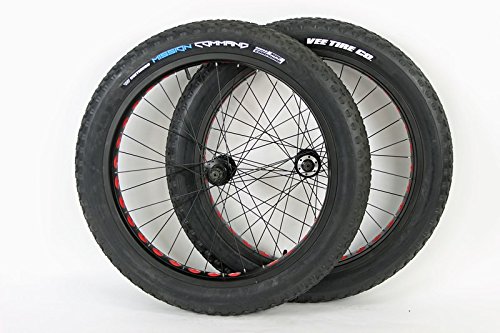
The Bullseye MonsterWheels wheel set uses 80mm single-walled aluminum rims paired with black spokes. This configuration supports 26 x 4.0 fat tires and provides a sturdy platform for rugged terrain. The listed hubs include 135mm and 170mm spacing, making the set compatible with a wide range of fat-bike frames. Tires and Schrader tubes are included and mounted, which reduces setup time for immediate riding. The listing also notes slight scratches on the rims, a common cosmetic detail in some wheel packages. This option is well-suited to riders who want a ready-to-ride fat-tire system in one package.
For practical use, this wheel set emphasizes compatibility and convenience. With wide tires and robust rims, it supports diverse riding conditions, including sand, snow, and soft trails. Installation is straightforward for riders comfortable with standard fat-bike front-and-rear configurations. While not all wheel buyers require brand-new cosmetic finishes, the core construction is designed to withstand the demands of off-road fat-biking.
ZTZ 26×4 Front Wheel with 135mm Hub

This ZTZ fat-tire front wheel balances light weight with rugged durability through a high-strength aluminum alloy rim. The double-layer rim is paired with PVC explosion-proof tire pads to protect the inner tube from punctures caused by spoke cut-through or debris, contributing to a safer ride on rough surfaces. Spoke rigidity is enhanced by 45# steel spokes and 14mm extended copper heads, helping resist fatigue on tough climbs and uneven terrain. The wheel uses a 135mm hub and a 9mm quick-release, with a disc-brake-ready design that broadens compatibility for snow, beach, and e-bike setups.
Overall, this front wheel focuses on reliability and protection against common fat-tire ride threats. It is a practical choice for riders who want a sturdy, easy-to-install 26×4 setup that works well across multiple environments. Potential buyers should verify compatibility with their frame’s dropout spacing and braking system to ensure a perfect fit.
DONSP1986 26×4 Fat Tire Wheel Set

This 26×4 wheel set provides front and rear wheels designed to accommodate fat tires up to 4.0 inches. It features a 3.0-inch rim width and uses 12 gauge, 36-spoke construction, delivering durability for all-terrain riding. The set is listed as compatible with tires in the 26″ x 3″ to 26″ x 4″ range, including inner tubes. The disc brake compatibility suggests versatility for various braking configurations, making it suitable for riders who want a straightforward, durable wheel set for their fat-bike build.
Because the rim width is slightly narrower than some fat-tire systems, this wheel set may be best suited for riders who prioritize robust spoke count and a reliable, value-oriented option. Ensure your tire choice matches the rim width for optimal performance and tubeless compatibility if desired.
ZTZ 26×4 Front Wheel — Second Listing
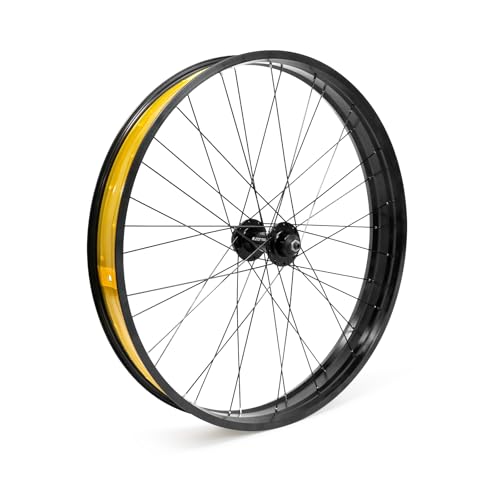
The second ZTZ front wheel listing presents a similar fat-tire front option with a focus on a lightweight yet sturdy aluminum alloy rim. The design includes a double-layer rim and tube protection features to guard against punctures, along with reinforced spokes using 45# steel and 14mm copper heads. A 135mm hub and 9mm quick-release continue to support easy installation and a disc-brake-ready setup for versatile riding on snow, beach, and e-bike contexts.
This choice is well-suited for riders who want a dependable front wheel with consistent build quality and compatibility across common fat-bike configurations. As with any 26×4 front wheel, confirm that your fork clearance and brake choice align with the hub and mount standards before purchase.
YFGSFWTS 26in Snow Bike Front Wheel

This front wheel from YFGSFWTS is designed for snow and beach use, featuring 26 x 4.0-inch tire compatibility. The rim interface includes 80mm outer width and 74mm inner width, which helps accommodate wide fat tires while preserving wheel strength. The hub uses a 9x135mm quick-release setup and 6-bolt disc brake mounting, along with 36 spokes and 14mm extended copper heads for added durability. Weight guidance indicates variations between the front wheel and the full 26″ wheel assembly, highlighting a balance between strength and efficiency for demanding conditions.
For riders targeting snowy or sandy terrains, this wheel provides a robust, purpose-built option. Always verify that your frame’s brake mount type (disc vs rim) and dropout spacing support the 9x135mm quick-release hub and 6-bolt disc interface before purchasing.
Buying Guide
Fit, Dropout Width, And Axle Type
Fat-tire wheels commonly use 135mm front and rear spacings, though some setups accept 170mm or 170/190mm combos. Check your bike’s dropout width and axle type (9mm quick-release vs 12mm through-axle). Wheel sets labeled with 135mm hubs fit most standard fat bikes, while 170mm spacings may require adapters or a different frame. A mismatched axle can cause alignment issues, brake misalignment, or rubbing at full suspension travel.
Rim Width, Tire Width, And Tubeless Readiness
Rim width affects tire shape and pressure tolerance. For 4.0-inch tires, a wider rim (around 80–81mm) provides better support and stability than a narrower rim. Rim width influences the tire’s contact patch and ride feel on sand, snow, and rocks. If tubeless compatibility matters, confirm tubeless-ready rims and appropriate tape/sealant compatibility with your tubeless tires.
Braking Compatibility And Mounts
Disc brake compatibility is a common requirement with fat-tire wheels. Some wheels advertise 6-bolt mount compatibility; others specify generic disc-ready options. Ensure the hub supports your brake system and that the mounting interface (6-bolt vs centerlock) matches your rotor and caliper. Additionally, verify quick-release vs through-axle preferences, as this impacts wheel removal and installation time.
Spoke Density, Material, And Durability
Spoke count and material influence durability and repairability. Many fat-tire wheels use 36 spokes with alloy or stainless steel spokes and reinforced nipples. Higher spoke counts improve load distribution on rough trails, while copper heads and thicker spokes enhance fatigue resistance. If you ride aggressively, consider wheels with robust rims and reinforced spoke designs to minimize maintenance.
Weight, Handling, And Riding Style
Fat-tire wheels are typically heavier than standard MTB wheels. The additional weight can affect acceleration but improves stability in soft terrains. Riders who frequently ride on snow, sand, or loose gravel may benefit from the added traction and floatation. If your priority is nimble handling, look for lighter rim options and consider wheel sets that balance weight with durability.
Installation, Compatibility, And Budget
Wheel sets that include tires and tubes conveniently reduce setup time but may come with cosmetic imperfections. When choosing between wheel sets and front wheels, consider your current bike build, maintenance preferences, and whether you want a ready-to-ride package or a customizable upgrade. Evaluate overall value by weighing build quality, hub type, rim width, braking compatibility, and the potential need for adapters or additional components.