Choosing the right mountain bike grips can reduce hand fatigue, improve control, and enhance comfort on long rides. The following five grips provide ergonomic shapes, reliable lock-on mounting, and durable materials for trail and everyday riding.
| Product | Brand | Key Feature |
|---|---|---|
| GPMTER Single Lock-On Grip | GPMTER | Non-slip rubber; Gel layer |
| TOPCABIN Ergonomic Lock-On MTB Grips | TOPCABIN | 22–23mm fit; 130mm length |
| Hapleby Premium Lock-On MTB Grips | Hapleby | TPR rubber; Gel layer |
| PRUNUS Rubber Ergonomic MTB Grips | PRUNUS | Budget-friendly; Easy install |
| ROCKBROS Ergonomic Soft Gel Grips | ROCKBROS | Soft gel; Palm rest |
GPMTER Single Lock-On Grip For MTB
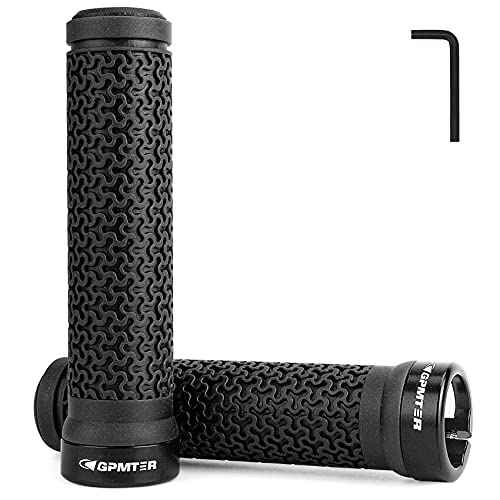
These grips are built from high-quality non-slip rubber for durability and solid control. They use a single aluminum alloy lock-on system that tightens securely around the bar, reducing play and slippage. The ergonomic profile sits naturally in the palm, helping riders maintain grip on rough trails.
An extra gel layer adds a soft touch and comfort, while the high-friction rubber delivers reliable grip in all-weather conditions.
- Non-slip rubber construction
- Gel layer for comfort
- Aluminum lock-on system
- All-weather grip
TOPCABIN Ergonomic Lock-On MTB Grips

Designed for handlebars with a 22–23mm outer diameter, these grips offer a secure fit with a 130mm length. The lightweight, durable construction supports daily commuting and longer rides, while installation requires no special tools.
The versatile design works with road, mountain, fixies, and other bicycles, making it a practical upgrade for cyclists at any level.
- 22–23mm universal fit
- 130mm length
- Easy installation
- Universal bicycle compatibility
Hapleby Premium Lock-On MTB Grips

The grips measure about 5.2 inches (130mm) in length with a 0.87-inch diameter, fitting most mountain bikes and more than 90% of bikes, including BMX and scooters. They use high-quality TPR rubber with an anti-slip design and an added gel layer for a soft, comfortable touch.
A robust lock-on system features a thickened and widened lock ring, plus longer stainless screws to ensure a secure hold on rough terrain.
- 5.2″ (130mm) length
- 0.87″ diameter
- TPR rubber with gel layer
- Aluminum lock-on system
PRUNUS Rubber Ergonomic MTB Grips
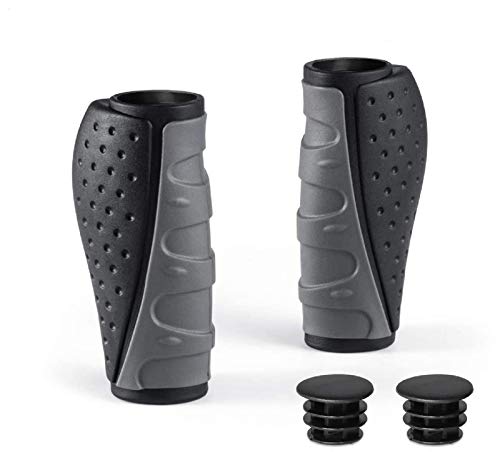
These grips are budget-friendly yet deliver comfortable and reliable performance. They offer a classic black-and-grey look that fits many bikes, and installation is straightforward with two simple components: the grip and the end plug.
Easy to install and comfortable to hold, these PRUNUS grips provide solid value without sacrificing grip quality or durability.
- Budget-friendly
- Easy installation
- Classic styling
ROCKBROS Ergonomic Soft Gel Grips
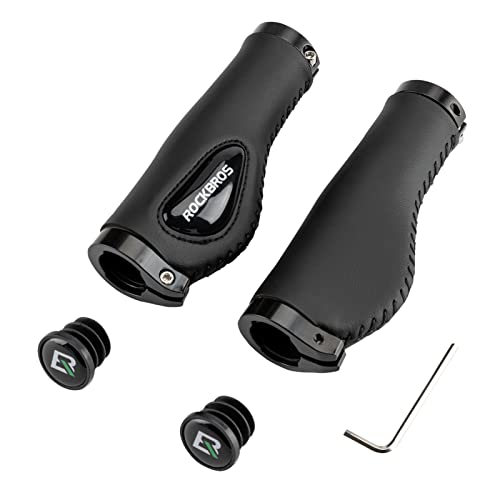
ROCKBROS grips feature an ergonomic palm rest with winged design, offering a larger contact area and reduced fatigue on longer rides. The soft gel surface and liquid silicone provide additional shock absorption for smoother handling across rough trails.
Installation is straightforward with the included hex wrench to tighten the locking collars on either side; end caps snap into place and stay secure during rides.
- Ergonomic palm rest with wings
- Soft gel surface
- Includes hex wrench for installation
Buying Guide
When selecting mountain bike grips, consider how they balance comfort, control, and setup ease. Lock-on systems minimize slip and vibration but may add weight, while slip-on designs tend to be lighter but can loosen over time. Material choice—rubber, TPR, or foam—affects grip feel, durability, and dampening of vibration. Length and diameter determine fit on your handlebars and compatibility with bar ends and shifters.
Lock-On Versus Slip-On
Lock-on grips secure via a clamp and screw, delivering a solid, vibration-reducing hold that resists slip on rough terrain. They’re ideal for riders who prioritize secure feel and quick adjustment. Slip-on grips are lighter and often simpler to replace, but may require end plugs or more frequent adjustment to prevent movement.
Grip Materials And Comfort
Rubber and TPR grips offer strong grip and durability, with gel or foam layers enhancing comfort by adding cushioning. Gel-infused grips tend to reduce numbness during long climbs or rough descents. Foam is lightweight and absorbs shock, though it can compress over time.
Size, Fit And Compatibility
Most mountain bike grips use a 22–23mm outer diameter, with lengths commonly ranging from 100–130mm. Verify compatibility with your handlebar diameter and end plugs, especially if you have shifters or integrated components. Lock-on systems typically suit standard handlebars but check your model’s specs before purchasing.
Durability, Weather Resistance And Maintenance
Choose grips with a high-friction surface and weather-resistant materials if you ride in rain or mud. Grips with gel layers can offer extra cushioning but may compress over time. Regular cleaning helps maintain grip texture and prolongs the life of the grips.
Installation And Replacement Considerations
Most grips install with basic tools or none at all. Lock-on grips require tightening screws and careful alignment. Replacement should be straightforward if you choose standard sizes and end plugs. Keep a small hex wrench handy for on-trail adjustments and quick fixes.
Riding Style And Budget Considerations
Aggressive trail riders may prefer thicker, palm-support grips with substantial gel or foam for extended control and fatigue reduction. Casual riders can prioritize budget-friendly options that still provide good grip and reasonable comfort. A balanced choice often combines ergonomic design with reliable locking for a secure ride experience.