Choosing a helmet for a 9-month-old involves balancing safety, comfort, and growing head sizes. The five helmets below are well suited for infants and toddlers, offering adjustable fits, lightweight construction, and breathability to support early riding adventures. Each product section explains sizing, key features, and how the design supports safe, comfortable wear. The following summary table provides quick reference details to help caregivers compare options at a glance.
| Product | Brand | Size Range (cm) | Key Feature |
|---|---|---|---|
| Schwinn Teddy Bear Infant Bike Helmet | Schwinn | 44-50 | 3D Teddy Bear design; 360-degree dial fit |
| Lemmeko Toddler Helmet | Lemmeko | 48-55 | 11 vents; removable padding; adjustable knob |
| Schwinn Purple Polka Dots Infant Helmet | Schwinn | 44-50 | Lightweight; integrated visor; dial-fit system |
| GLAF Baby Bike Helmet | Glaf | 46-51 | Two sizes; PC shell; EPS foam |
| Retrospec Scout Toddler Bike Helmet | Retrospec | Two sizes | Multi-sport design; 14 vents; Ergoknob dial |
Schwinn Teddy Bear Infant Bike Helmet
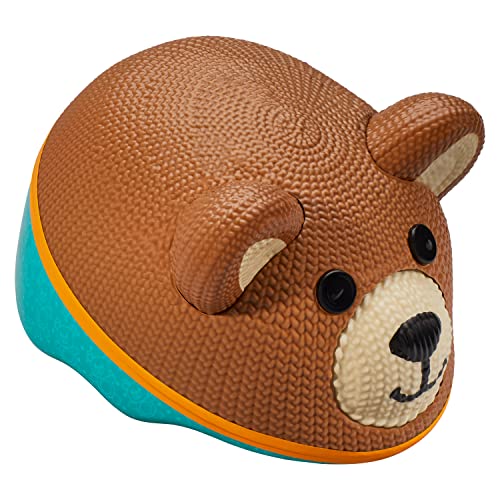
The Schwinn Teddy Bear helmet is designed for infants and toddlers with a head circumference of 44-50 cm. A playful 3D teddy bear design adds appeal for young riders, encouraging consistent wear. The helmet uses a 360-degree dial fit system to provide a snug, secure fit that adjusts as a child grows. Inside, full-range interior padding helps reduce hotspots and enhances comfort during short and longer rides. The shell remains lightweight to minimize fatigue and distractions, supporting focused learning as children practice balance and steering. A lower molded shell adds durability while preserving a low profile for shadowing sunlight and shade coverage.
Overall, this helmet emphasizes gentle, secure protection with kid-friendly styling. The combination of adjustable sizing, soft padding, and breathable construction makes it a practical first helmet for many babies who are exploring riding concepts with caregiver supervision. While it is marketed for ages 1-3, small infants at the lower end of the size range often benefit from the dial adjustment to find a comfortable early fit.
Lemmeko Toddler Helmet

The Lemmeko toddler helmet provides robust protection with a hard PC outer shell and EPS inner foam for impact absorption. It suits children from roughly 48 to 55 cm (about 18.9 to 21.7 inches) and includes an adjustable back knob to customize the head circumference. With 11 vents for airflow, the design helps minimize heat buildup during wear. Removable inner padding facilitates easy cleaning, which supports ongoing comfort for active toddlers. The chin strap is adjustable and designed to stay secure without pinching, making it suitable for everyday biking, scooter use, and other active play.
This helmet emphasizes a strong protective shell and practical comfort features. The multiple size options support a gradual transition as a child grows, making it a versatile choice for families seeking long-term use. While the product targets ages 1-3 to 8 in its general range, the dial-fit system allows careful tailoring to a younger toddler’s smaller head, including a 9-month-old beginning rider under careful supervision.
Schwinn Purple Polka Dots Infant Helmet

The Schwinn Purple Polka Dots helmet offers a cute, eye-catching design while keeping safety front and center for toddlers. It is sized for head circumferences of 44-50 cm, fitting most infants and early toddlers. The 360-degree dial-fit system allows precise adjustments as a child grows, and multiple vents promote airflow to help keep little heads cool on sunny rides. An integrated visor helps shield tiny eyes from sun glare, adding functional protection during outdoor adventures. The helmet’s lightweight construction supports comfortable wear during short trips and longer practice sessions alike.
Durability is aided by a lightweight shell that resists fatigue over repeated use. The combination of a secure fit, sun protection, and breathable design makes this helmet a practical option for families prioritizing playful style without compromising safety. Although marketed for ages 1-3, careful sizing checks ensure a proper fit for younger toddlers in the 9-month range when used under adult supervision.
GLAF Baby Bike Helmet

GLAF’s baby helmet is designed for toddlers and older infants with two size options, suitable for a 46-51 cm head circumference. The helmet pairs a PC outer shell with EPS foam to provide impact resistance while remaining lightweight. It emphasizes practical protection for activities like biking, skating, and inline skating indoors or outdoors. The double-size approach helps parents tailor the fit as a child grows, and the overall build reflects a focus on everyday wearability rather than only occasional use. The design prioritizes comfort with a snug fit that doesn’t feel bulky to small necks.
With its straightforward sizing and protective materials, this helmet offers dependable coverage for early riding experiences. The two-size system supports a transition as a child develops, and the shell-and-foam construction aligns with standard safety expectations for infant and young-child helmets. Parents evaluating a starter helmet can appreciate the emphasis on fit, durability, and year-round usability. While it is designed for ages around 18 months and up, caregivers should verify size against the child’s current head measurement for best results.
Retrospec Scout Toddler Bike Helmet

The Retrospec Scout helmet emphasizes premium safety with a lightweight, out-mold PVC shell and EPS foam for impact absorption. It is designed to fit little riders securely with a no-dig nylon chin strap and an Ergoknob-2 dial fit system, ensuring a snug, personalized fit as a child grows. The helmet prioritizes breathability with 14 vents and a channel-lined interior to promote airflow and comfort during playtime and rides. The Scout is crafted to mold to a child’s head shape, helping reduce movement within the helmet during a fall or sudden stop.
From a safety and comfort perspective, the Scout provides a well-rounded option for families seeking a multi-sport helmet that supports biking, skating, and other activities. Its adjustable sizing and ventilated design make it suitable for ongoing use through early childhood. While two sizes are advertised, caregivers should measure the child’s head and compare with the product’s size guidelines to achieve the best fit for a 9-month-old or early toddler.
Buying Guide
Sizing And Fit
Begin with accurate head measurements. Look for helmets with dial-fit systems or adjustable back straps to accommodate rapid growth from infancy through toddlerhood. Check the manufacturer’s size ranges and aim for a helmet that sits level on the head, two fingers above the eyebrows, with straps snug under the chin. A properly fitted helmet should remain stable when gently shook but should not press uncomfortably on the temples or cause itching at contact points.
Safety Certifications
Ensure helmets meet recognized safety standards, such as the Consumer Product Safety Commission (CPSC) certification in the United States. Certifications indicate basic impact protection and construction quality. While aesthetics matter for a child’s willingness to wear the helmet, certification should be the primary criterion for selecting a protective product.
Ventilation And Comfort
Poor airflow can lead to overheating, making ventilation a key factor for longer wear. Helmets with multiple vents and interior channels can improve airflow. Removable, washable padding helps maintain cleanliness and comfort, especially for active children who sweat during playtime and rides.
Weight And Materials
Lightweight helmets reduce fatigue for young riders and make it easier for caregivers to supervise. Common materials include PC shells with EPS foam linings. Durable but lightweight designs offer better wearability for daily use and longer practice sessions as children learn balance and steering skills.
Size Variety And Longevity
A helmet with a broad size range or multi-size options can grow with a child, potentially reducing the need for frequent replacements. Look for helmets that transition smoothly from infancy into early childhood, while maintaining a secure and comfortable fit.
Design, Comfort, And Safety Features
While safety is paramount, design influences a child’s willingness to wear a helmet. Fun shapes, colors, and patterns can improve acceptance. Practical features such as an adjustable chin strap, an integrated visor, and a low-profile silhouette support comfort without sacrificing protection.
Cleaning And Maintenance
Removable pads and wipe-down surfaces simplify cleaning from spills or sweat. Check the care instructions to ensure padding and shells remain in good condition after repeated use and washing.