Choosing the right balance-to-pedal bike can help kids transition from scooting to riding with confidence. These versatile bikes blend the best of balance bikes with pedal functionality, letting children master balance first and pedal later. The five selections below highlight models designed for safety, durability, and easy transition. They cater to a range of ages and skill levels, ensuring a smooth progression from balance practice to full pedaling. Use the buying guide after the product reviews to compare features and pick the right fit for your child.
| Product | Brand | Key Features |
|---|---|---|
| Little Tikes 12-Inch Balance-To-Pedal | Little Tikes | Dual mode; pedals fold in/out; quick assembly |
| Strider 12” Sport Bike Yellow | Strider | No-pedal balance bike; tool-free adjustments; safe low seat |
| OHIIK 2-In-1 Balance Bike | OHIIK | 60-second conversion; pedals with training wheels option; safety features |
| Strider 14x Easy-Ride Pedal Kit | Strider | Transforms balance bike to pedal bike; included wrench; chain guard |
| VTZII 2-In-1 Balance Bike | VTZII | 2-in-1 with pedals; training wheels; pneumatically cushioned tires |
Best Balance-To-Pedal Training Bike By Little Tikes
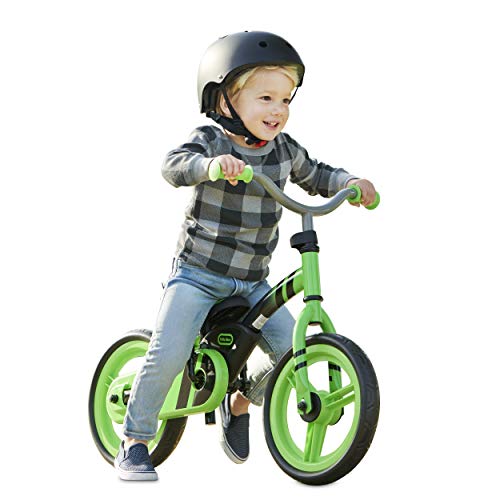
The Little Tikes 12-Inch Balance-To-Pedal Bike combines a classic balance bike with a pedal mechanism designed for quick learning and transition. The 12-inch frame targets ages roughly 2 to 5 years, offering a straightforward path from gliding to pedaling. Pedals can fold in and out, enabling a seamless shift between balance and pedal modes. A single-gear setup keeps the ride simple, and the design encourages kids to explore balance first while building confidence in steering and coordination.
Transformation between modes is simple and tool-assisted. An included Allen wrench lets caregivers switch the bike from balance mode to pedal mode with ease, minimizing setup time. Assembly is reported to be quick and straightforward, requiring only basic tools. This model emphasizes compact, sturdy construction suitable for indoor or outdoor use, making it a solid first step toward independent riding. The color option shown is a bright, kid-friendly green that stands out in busy playgrounds.
Best Strider 12” Sport Balance Bike Yellow
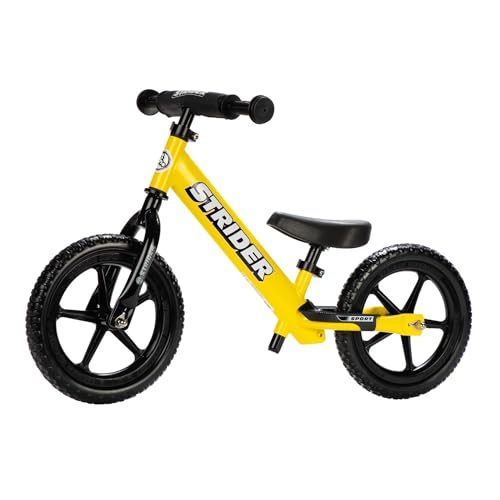
The Strider 12” Sport Bike is a premier no-pedal balance bike designed for early riders, typically ages 1 to 4. Its emphasis is on balance and steering development, with mini rubber grips, a padded seat, a safety pad, and a high-traction footrest. The starting seat height around 11 inches makes it easy for toddlers to straddle and push off. As children grow, the seat and handlebar heights adjust without tools, supporting a broad range of inseams from roughly 12 to 18 inches. Foam tires ensure a lightweight, maintenance-free ride that won’t go flat.
Understanding a balance bike’s purpose is essential: it teaches balance, confidence, and bike-handling skills before pedaling. The Strider Sport excels at building core stability while allowing kids to practice gliding, steering, and gradually increasing speed as they gain confidence. With its durable, tool-free design, this bike suits families seeking a low-maintenance option that remains engaging as a child develops motor control.
Best OHIIK 2-In-1 Balance Bike

OHIIK offers a versatile 2-in-1 balance-to-pedal bike suitable for kids from about 2 to 7 years old. This model can quickly convert between balance and pedals in roughly 60 seconds, and its frame is built from high carbon steel to balance weight with durability. The hand brake adds a safe braking option, reducing the need for shoe friction on the ground, while pneumatic tires provide cushioning and traction for various surfaces. The design features an adjustable seat and handlebar, enabling growth without tools and ensuring a comfortable riding position as your child gets taller.
In pedal mode, the bike can be used with a pedal kit or training wheels, expanding its use as your child gains confidence. The 16-inch version shown supports a broader age range and adds the option to keep learning as skills improve, making this a flexible, space-conscious choice for families wanting a single bicycle that adapts with their child’s progress.
Best Strider 14x Easy-Ride Pedal Kit

The Strider 14x Easy-Ride Pedal Kit enables parents to convert a 14x balance bike into a pedal bike in minutes. This accessory kit is designed for kids ready to transition from balance to pedaling and includes a wrench for simple installation. Once installed, the bike can favor either striding or pedaling as the child grows and develops confidence in foot placement and stride width.
Safety is addressed with a chain guard to reduce the risk of contact with moving parts, and coaster brakes facilitate easy stopping practice without relying on shoe friction. The kit’s design emphasizes straightforward use and secure attachment, making it appealing for households that want to extend the life of a single bike as their child’s riding ability progresses.
Best VTZII 2-In-1 Balance Bike

VTZII’s 2-in-1 balance bike with pedals offers a compact solution for growing riders. This model includes pulsed features like a frame that quickly converts between balance and pedal modes, plus training wheels for added security as kids experiment with pedaling. The bike uses pneumatic tires and an integrated wheel hub to balance effort with comfort, providing a smoother ride on different surfaces and helping new riders feel confident on varied terrain.
Brakes are part of the package, with a hands-on braking option that reduces reliance on shoe friction. Training wheels can be removed when a child is ready to ride without extra support, and a kickstand option is available when they’re simply posing or resting. This makes VTZII a flexible, long-term option for families seeking value and adaptability in a single bicycle.
Buying Guide
Choosing the right balance-to-pedal bike involves aligning features with your child’s age, height, and riding goals. Key considerations include wheel size, adjustability, and conversion speed. A 12-inch bike generally suits toddlers around ages 2 to 4, while 14-inch and 16-inch wheels accommodate older children with longer inseams. Look for adjustable seat and handlebar height to accommodate growth without frequent purchases.
Conversion ability is a central factor. The fastest transitions occur with models that can switch between balance and pedal modes in under a minute, often aided by a simple set of tools or even tool-free adjustments. If you anticipate your child moving quickly from balance to pedaling, prioritize models offering quick-change systems and good weight distribution.
Brakes, tires, and safety features contribute significantly to riding confidence. Hand brakes and trained wheels provide varied braking options and progression toward full pedaling control. Pneumatic tires offer better shock absorption and traction than foam tires, but they require more maintenance. Chain guards and protective pads reduce risk during pedal transitions and early rides. Consider weight limits, as a bike that’s too heavy or awkward can hinder early progress.
Durability and brand support matter for long-term use. Reputable brands with replacement parts and easy access to service extend a bike’s life and help families avoid buying anew as kids grow. If budget is a concern, prioritize features that offer the most flexibility for future growth—such as convertible frames, adjustable components, and compatible pedal kits or training wheels.
In summary, choose a bike that matches your child’s current size, offers a sensible path to pedaling, and provides a smooth transition between modes. A model that grows with your child—while keeping assembly simple and maintenance minimal—will deliver the best long-term value for a family focused on safe, confident biking progress.