Turning a conventional bicycle into a capable electric ride is easier with a 1000W conversion kit. These kits deliver strong torque, quick acceleration, and confident hill-climbing performance, making them ideal for commuters, weekend explorers, and riders who want to extend their biking range. The five kits below represent a mix of hub and mid-drive designs that fit popular wheel sizes from 26″ to 29″. Each option integrates a powerful motor, simple controls, and robust components to help you choose the setup that best fits your bike and riding style.
When shopping, consider motor type, wheel size compatibility, braking system support, and whether a battery is included or available as an add-on. Battery capacity directly affects range and weight, while a well-suited controller and display improve ride data and reliability. The following table briefly contrasts the selected kits, helping you compare core specs at a glance before diving into detailed product sections.
| Product | Brand | Power | Type | Battery | Display |
|---|---|---|---|---|---|
| AW Front Wheel 1000W Conversion Kit | AW | 1000W | Front Hub | Not specified | Thumb throttle with battery indicators |
| VEVOR 1000W Front Wheel Kit | VEVOR | 1000W | Front Hub | Not specified | HD LCD Display |
| BAFANG BBS-HD Mid-Drive Kit | BAFANG | 1000W | Mid-Drive | Battery Optional | Display Optional |
| AW Rear Wheel 1000W Kit | AW | 1000W | Rear Hub | Not specified | Not specified |
| DDYOOK 48V 1000W Rear Wheel Kit | DDYOOK | 1000W | Rear Hub | Not specified | LCD Display |
AW Front Wheel 1000W Conversion Kit
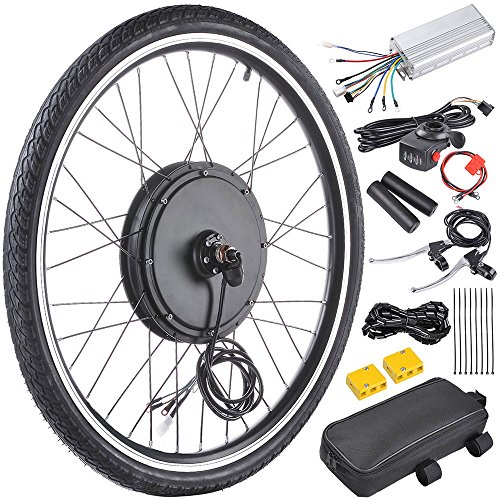
AW’s 1000W front-wheel conversion kit uses a 48V brushless hub motor designed for efficient, quiet operation. The gearless hub minimizes moving parts and maintenance while delivering a maximum speed around 45 km/h (28 mph). It fits 26″ bicycles with a 3 15/16″ front dropout spacing and supports both disc and V brakes, broadening compatibility across urban and light-mountain bikes. The aluminum alloy frame adds durability, and the system can support riders up to about 220 lbs. A thumb throttle includes three battery-indicator LEDs for monitoring power remotely during rides.
The front-hub design emphasizes straightforward installation and minimal drivetrain interference, making it a practical upgrade for riders who want an dependable electric boost without altering the bike’s crankset or chain. While the product listing highlights core performance features and compatibility, battery availability is not specified, so buyers may need to source a compatible pack separately. This kit is well-suited for riders who value a simple, plug-and-go conversion with clear throttle feedback.
VEVOR 1000W Front Wheel Kit

VEVOR’s 1000W front-wheel kit packages a 26-inch hub motor with a robust 420 rpm and torque that supports steep climbs up to a 12-degree angle. The kit emphasizes ride data with a high-definition LCD that displays speed, distance, pedal-assist level, and battery life. Copper-core windings help with heat resistance, contributing to stability under longer bursts, while a 65 dB operating sound keeps noise to a minimum. The reinforced 26″ wheel and thick non-slip tread enhance grip and durability for varied road conditions.
The kit includes a powerful 30A controller and a pedal-assist system, which together yield a smooth throttle-free riding option for less fatigue on longer trips. While the listing highlights data tracking and reliability, battery inclusion is not listed, so users should plan to pair the kit with a compatible battery. This option is a strong fit for riders who value real-time ride data and quiet operation in a 1000W front-hub setup.
BAFANG 1000W Mid-Drive Kit
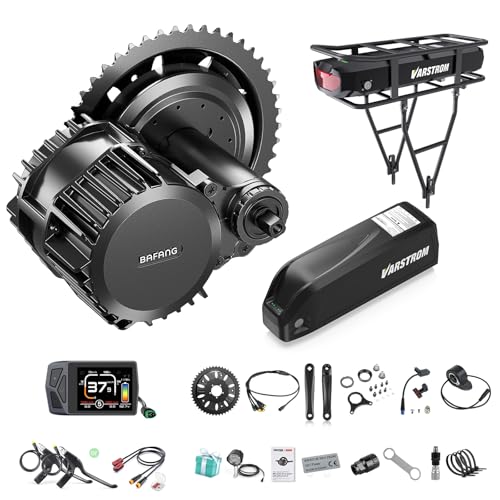
The BAFANG BBS-HD mid-drive kit targets serious riders who want power from the bike’s crank area. It fits standard bottom brackets of 68-73/100/120mm, making it highly versatile for MTBs and road bikes. The motor delivers up to 160 N.m of torque, enabling strong hill climbs and confident acceleration, with speeds up to 45 km/h. It is compatible with disc or V-brake-equipped frames that use a chain-driven drivetrain. Optional components include a battery and LCD display, allowing customization to fit different bikes and rider preferences.
The kit includes core components like a brake lever, chainring, throttle, speed sensor, and mounting tools, ensuring a complete upgrade package. Correct installation requires choosing compatible bottom brackets and ensuring chainring and chain compatibility. This mid-drive option benefits riders who want superior torque distribution and a more natural pedal feel, especially on hilly terrain, albeit with a slightly more technical installation compared with hub kits.
AW Rear Wheel 1000W Conversion Kit

AW’s 26″ rear-wheel kit pairs a 48V 1000W brushless hub motor with a gearless design for smooth, low-noise operation and a top speed around 45 km/h. The kit is designed for 26″ bicycles with a 5 5/16″ rear dropout spacing and includes a dual-mode controller that can operate in both hall and non-hall modes, extending component life. The system features a pedal-assist sensor to help riders cruise with less wrist fatigue over long distances, while the throttle provides an extra boost when needed.
The dual-mode controller helps to manage motor torque and power delivery, which can improve reliability on varied terrain. The listing emphasizes pedal assist and throttle control for flexible riding styles. Battery inclusion is not specified, so buyers should plan for a compatible battery separately. This rear-hub option is a solid choice for riders seeking a straightforward conversion with familiar wheel geometry and strong daily performance.
DDYOOK 48V 1000W Rear Wheel Kit

DDYOOK’s 48V 1000W rear-wheel kit is designed for 28″/29″ and 700C wheels, offering strong performance with a maximum speed of about 45-55 km/h. The upgraded LCD display provides real-time speed, maximum speed, distance, battery power, and cruise functions, along with five-speed adjustment options for tailored assistance. This kit emphasizes data visibility and control, making it easier to manage power on longer rides or varied terrain. Battery inclusion is not specified, so pairing with a suitable pack is required.
The rear-hub configuration is well-suited for riders who want a straightforward install on larger wheel sizes. The kit’s emphasis on display and adjustable assist levels supports a customized riding experience. As with other kits, ensure brake compatibility (V or disc) and verify frame fit before purchase. This option is a capable all-around performer for riders upgrading wheels to 28″ or larger with a desire for detailed ride metrics.
Buying Guide
Key purchase considerations
- Motor type: Hub motors (front or rear) are typically easier to install and require less frame modification, while mid-drive systems offer superior torque and climbing ability by leveraging the bike’s gears—at the cost of a more complex installation and potential drivetrain wear.
- Wheel compatibility: Confirm wheel size (26″, 28″/29″, or 700C) and dropout spacing to ensure a proper fit. Some kits require specific dropout dimensions and brake types (disc or V).
- Battery options: Decide whether you need a kit with a battery included or if you will source a separate pack. Battery voltage (36V vs 48V) and capacity (Ah) impact performance and range.
- Controller and throttle: Look for dual-mode controllers that work with hall and non-hall sensors for broader compatibility. A throttle plus a Pedal Assist System (PAS) provides flexible riding modes and can reduce fatigue.
- Display features: An LCD or LED display helps monitor speed, distance, battery life, and PAS level. Consider whether you want real-time ride data and cruise control capabilities.
- Installation complexity: Mid-drive kits often require frame and bottom-bracket compatibility checks and may need professional installation, while hub kits are generally simpler to set up.
- Brakes and safety: Ensure the kit is compatible with your existing braking system. Some kits are designed for disc brake frames, others also support V-brake setups.
- Legal and warranties: Check local e-bike regulations for power and speed limits, and review warranty terms for motor and controller components to avoid coverage gaps during use.
Hub vs Mid-Drive: Pros and Cons
- Hub motors (front or rear) are typically lighter to install and maintain, with fewer drivetrain interactions. They are ideal for riders seeking a straightforward upgrade and improved acceleration without changing the bike’s gearing.
- Mid-drive motors offer superior torque and efficiency, especially on hills, because they leverage the bike’s chainring and gears. They can provide the most natural pedal feel but require careful compatibility checks and more meticulous installation.
Performance and maintenance considerations
- Power and speed: A 1000W motor generally provides strong acceleration and climbs well, but you should verify the legal limits in your area for street use.
- Battery management: A capable battery improves range and performance, but heavier packs add weight and may affect handling. Consider the weight distribution on your bike.
- Maintenance: Hub motors have fewer moving parts than mid-drive systems, potentially reducing maintenance. Mid-drives demand attention to chain, sprockets, and bottom-bracket wear.
- Warranty and service: Choose brands with clear warranty terms and accessible support. Local service availability can simplify updates and repairs.
Practical selection tips
- Match wheel size and dropout spacing to your bike’s frame for installation ease and reliable alignment.
- Assess braking compatibility early to ensure safe stopping power with added weight and speed.
- Consider your typical riding environment—flat commutes vs. hilly terrain—to determine whether a hub or mid-drive kit better suits your needs.
- Plan for battery choices: if optional, budget for a compatible pack that delivers the range you expect between charges.