Choosing the right helmet is a critical step in helping kids enjoy outdoor activities with confidence. The helmets below are designed to protect young riders during bikes, scooters, skateboarding, and more. They balance safety certifications, comfort, and kid-friendly design so children can ride longer without distraction. This guide highlights five well-rounded options and provides a practical buying guide to help parents compare styles, features, and fit across common childhood activities.
Summary of chosen products:
| Product | Brand | Notable Feature |
|---|---|---|
| 80Six Multisport Kids Helmet | 80Six | Versatile for biking, skating, scooters and more |
| OUWOER Kids Bike Helmet (Blue) | OUWOER | 3 sizes and 11 vents with CPSC compliance |
| Giro Tremor MIPS Kid Helmet | Giro | In-mold construction with reflective details |
| EXCLUSKY Kids Bike Helmet (Adjustable) | EXCLUSKY | CE+CPSC dual certification and adjustable visor |
| Giro Scamp II Youth Helmet | Giro | Roc Loc Jr. fit system with extended head coverage |
80Six Multisport Kids Helmet

The 80Six Multisport helmet is positioned for families that want one protective option across several activities. Its design targets kids, teens, and even adults who share gear for biking, skateboarding, roller skating, inline skating, longboarding, hoverboard use, and scooters. The helmet emphasizes broad compatibility and practical protection for varied routines, rather than sport-specific shaping. While the feature list emphasizes its multisport intent, the core value is a single, versatile helmet that can serve a household with multiple young riders. This approach helps simplify gear choices and storage while maintaining a consistent safety standard.
- Versatile protection across biking, skating, and scooters
- Suitable for a range of ages within a shared helmet rotation
- Compact, low-profile silhouette designed for everyday wear
- Durable shell with shock-absorbing liner to reduce impact forces
OUWOER Adjustable Kids Bike Helmet
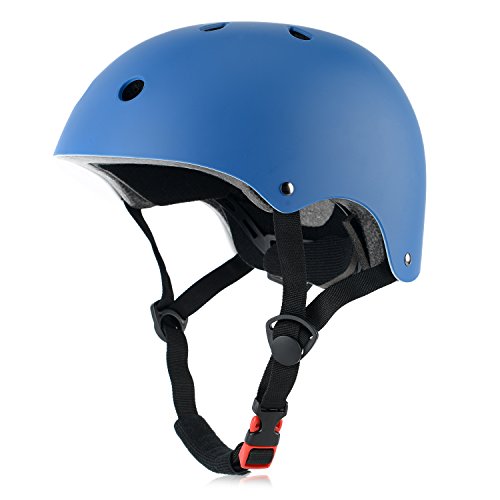
OUWOER’s helmet line emphasizes adjustable sizing and a structured safety profile. It offers three sizes to accommodate growing heads, with specific height or circumference guidance to match children from toddlers to teens. The shell is designed to resist impact, and the inner EPSfoam aims to absorb shocks effectively. The manufacturer notes compliance with U.S. CPSC safety standards for bicycle helmets for persons age 5 and older, along with multiple ventilation vents to keep young riders cool during warm rides. The 11-vent design supports airflow without compromising protection.
- Three size options: Small, Medium, Large
- ABS shell with EPS foam for impact absorption
- CE+CPSC dual safety certification cited in product copy
- High-ventilation design for cooling comfort
Giro Tremor MIPS Kid Helmet
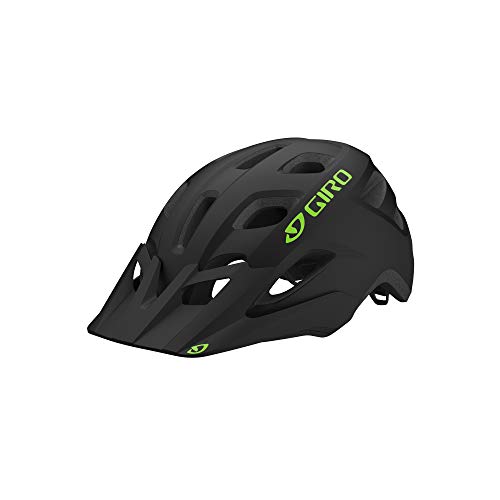
The Giro Tremor MIPS model for kids emphasizes visibility and durable construction. Key features listed include reflectivity to improve nighttime or low-light visibility, in-mold construction for a durable, yet lightweight shell, and a full hardbody shell that wraps the helmet for added protection. While the features provided do not explicitly mention MIPS alignment beyond the product name, the listed attributes point to a helmet that balances visibility and structural integrity. The fit is designed to accommodate kids’ heads with straightforward adjustment, reducing time spent on fitting before a ride.
- Reflective details enhance visibility
- In-mold construction pairs shell and liner for durability
- Full hardbody shell provides robust protection with minimal weight
EXCLUSKY Kids Bike Helmet (Adjustable)

EXCLUSKY’s helmet is marketed as a lightweight, adjustable option for children across ages 5-14. The packaging highlights safety certifications (CE+CPSC dual certification) and a padding system designed to minimize abrasions while maintaining comfort. Ventilation is engineered through an aerodynamic design to keep air flowing through the helmet during rides. A single-hand dial retention system allows quick, easy adjustments, and the removable visor shields eyes from sun glare. This model targets active kids who participate in biking, skating, and other outdoor activities while seeking a comfortable, low-profile fit.
- High-density EPS liner for shock absorption
- CE+CPSC dual certification
- Breathable interior pads for comfort
- One-hand dial for rapid adjustment
- Detachable sun visor for shade
EXCLUSKY Kids Bike Helmet (Ages 5-13)

This second Exclusky offering highlights safety features designed for ongoing head protection during growth years. The helmet uses a high-density EPS foam liner to absorb impact, plus a thickened lining and chin pad to mitigate abrasions. It expands the safety narrative with a detachable visor option to shield eyes from sun and glare, along with a one-hand adjustment system for quick fit changes. A notable feature for parents is extended rear coverage that helps protect the back of the head during falls, aligning with common cycling safety recommendations for younger riders.
- Extended rear coverage for back-of-head protection
- Removable sun visor for glare relief
- LED lighting option on some variants is common in this line
- Lightweight design with secure fit
Giro Scamp II Youth Helmet

The Giro Scamp II is designed specifically for youth with a combination of a protective hard shell and an in-mold lower wrap. This two-piece shell approach aims to provide durability without adding unnecessary weight. The Roc Loc Jr. fit system is a key feature that supports a secure, custom fit for kids, with a dial-operated tension adjustment that adults can manage while kids begin to take more control of their helmet fit. Available in XS and S sizes, the Scamp II aligns with US CPSC standards for children and older riders, offering a practical balance of protection, comfort, and ease of use.
- In-mold hardbody lower wrap for durability
- Roc Loc Jr. fit system for quick adjustments
- Extended head coverage for added protection
- Available in child-friendly sizing (XS/S)
Buying Guide
Size, Fit, And Adjustability
A helmet must fit properly to provide its intended protection. Look for multiple size options and adjustable retention systems. Models like OUWOER offer three sizes with clear measurements, while Giro Scamp II uses the Roc Loc Jr. system to fine-tune tension quickly. A proper fit should feel snug but not uncomfortable, with the helmet sitting level on the head and low on the forehead. Adjustable dials or fit systems reduce the risk of slip during activity and help accommodate growing heads over several seasons.
Certification And Safety Standards
In the United States, CPSC certification is a baseline requirement for bicycle helmets. Some helmets also reference CE certification for broader compatibility in other markets. The EXCLUSKY family notes dual CE+CPSC certification, which can indicate robust safety standards. When evaluating helmets, confirm the certification is valid for bicycles and that the helmet meets the age recommendations stated by the manufacturer. A helmet with durable construction, such as in-mold technology or hardbody shells, typically offers enhanced impact resistance while remaining light enough for extended wear.
Ventilation, Comfort, And Materials
Ventilation directly affects comfort, especially during warmer months or longer rides. Look for multiple vents arranged to promote airflow without sacrificing protection. EPS foam should provide adequate impact absorption, paired with a comfortable inner lining. Some helmets, such as the Exclusky models, emphasize breathable materials and soft pads that minimize irritation during long wear. A lighter helmet with good ventilation is more likely to be worn correctly by kids, which is a critical part of safety.
Visors, Visibility, And Sun Protection
Detachable visors or integrated sun protection are practical for rides where sun glare might disrupt attention or vision. Several Exclusky helmets feature a visor; Giro Scamp II provides coverage that can help shield eyes from sun and branches. For riding after dusk or in dim conditions, reflective accents or built-in reflectivity—like the Giro Tremor’s reflective details—improve visibility, increasing safety during early morning or late afternoon sessions.
Multi-Sport Versus Sport-Specific Designs
Multisport helmets simplify gear management for households with shared bikes and equipment. They practicalize safety across biking, skating, and other activities, but may trade off some sport-specific refinement. If a child primarily bikes, a lighter, sport-specific helmet can offer optimized aerodynamics and fit. For families with a variety of activities, a versatile helmet such as the 80Six or OUWOER options provides substantial coverage for multiple scenarios while maintaining basic protective standards.
Price, Value, And Warranty
Value often balances price against safety features, comfort, and longevity. While price may correlate with features like advanced fit systems or multi-sport versatility, a helmet’s core purpose remains protection. Look for helmets that offer durable materials, reliable adjustment mechanisms, and a reputable brand’s support policy or warranty. The presence of safety certifications and durable construction often signals good long-term value for active kids who frequently ride with friends or teammates.
Head Shape And Growth Considerations
Concerns about growing heads should influence choice. Helmets with adjustable fit systems and multiple size options adapt to growth spurts. Some models explicitly list age or head circumference guidance. If your child’s head is between sizes, select the larger size with a secure fit or choose a helmet with a more generous adjustment range. A helmet that fits well today should still be usable in the near term, delaying the need for a replacement until growth requires a larger size.
How To Test A Helmet At Home
Once you receive a helmet, perform a quick fit test: place it level on the head, fasten the system, and shake gently to ensure it stays in place. The helmet should cover the forehead and sit evenly without rocking. Have your child perform a gentle forward tilt; if the helmet sits properly, you’ve achieved a secure fit. Check all straps for snugness, and ensure the visor, if included, does not obstruct the field of view. Regular checks after a few weeks of use help maintain protective performance.
Choosing the right helmet involves balancing fit, safety standards, ventilation, and the activities your child enjoys. The five models featured here cover a spectrum from multisport versatility to sport-specific refinements, offering options for different budgets and growth stages. With correct sizing and a properly fastened strap, any of these helmets can support safer rides, longer sessions, and more confidence for young riders and their families.