Pedal assist sensors (PAS) are core components of modern electric bikes, translating pedal motion into motor power. Magnetic Hall-effect PAS units offer precise torque detection with low wear, and many models use 12 magnets for finer resolution. This guide highlights five well-regarded PAS sensors that work with a broad range of e-bikes, emphasizing build quality, installation ease, and 1:1 power delivery. Use the comparisons below to pick a sensor that matches your bike, riding style, and maintenance preferences.
| Product | Brand | Key Feature |
|---|---|---|
| Chazcool Pedal Assist Sensor | Chazcool | Steel body; dual magnetic Hall sensing |
| JZK PAS Sensor | JZK | 65mm disc; 115cm cable; dual Hall sensing |
| Maxmartt Power Pedal Assist Sensor | Maxmartt | 1:1 power; compact, durable |
| YINETTECH KT-D12L PAS Sensor | YINETTECH | Dual Hall sensors; waterproof plug |
| Frdhee Pedal Assist Sensor | Frdhee | 12 magnets; 1:1 power; wheel-mounted |
Chazcool Pedal Assist Sensor PAS

Chazcool’s pedal assist sensor features a steel housing that emphasizes durability in a compact form. The device is described as 100% brand new and high quality, designed for ebike PAS systems. It employs a double magnetic Hall arrangement to detect dynamic pedal torque and converts this signal into a DC output that the controller can use. The ergonomic design supports reliable operation across various drive configurations, including mountain bikes, while installation remains straightforward for most riders. This sensor aims to extend riding distance by delivering accurate, consistent assist with minimal maintenance.
For users prioritizing reliability, the Chazcool unit provides a robust build and repeatable performance. Its steel construction helps resist impacts and weather exposure, and the dual Hall sensing enhances responsiveness to pedal movement. With ease of installation in mind, it serves as a practical upgrade for riders seeking smoother, predictable pedal power without frequent recalibration or adjustment.
JZK 3-Pin PAS Sensor for E-Bikes

JZK’s PAS sensor focuses on a compact mounting profile with a 65mm black plastic disc that is 3mm thick, plus a ~15mm hole and a 35mm inner diameter ring. It ships with a long 115 cm cable and a 3-pin connector, fitting common ebike setups. This sensor is designed to add 1:1 power to pedal strokes, expanding range and helping on hills. It uses a dual magnetic Hall elastic angle difference circuit to detect torque, then converts it into a DC signal for the controller, providing steady, predictable motor assistance and improved ride experience.
Its compact dimensions and standard connector scheme make the JZK sensor a versatile upgrade for many ebikes. Users should verify compatibility with their controller’s input type and cable length preferences. When installed correctly, the device delivers constant, smooth pedal motor power that supports challenging terrain and longer rides with less fatigue per mile.
Maxmartt Power Pedal Assist Sensor

Maxmartt’s pedal assist sensor emphasizes high-quality materials and careful assembly. The device is described as compact, lightweight, durable, and resistant to impacts and dust, making it a practical choice for mountain bikes and other off-road applications. The sensor is designed to activate the motor with 1:1 power assist, helping to simplify pedaling and enhance overall ride quality. Its straightforward design caters to riders who want a reliable upgrade without complex calibration after installation.
In practice, this sensor’s durability and simple 1:1 power delivery make it a convenient option for daily riders and weekend explorers alike. The combination of robust construction and predictable performance reduces the likelihood of erratic motor responses, contributing to a comfortable and confident ride on varied terrain.
YINETTECH KT-D12L PAS Sensor
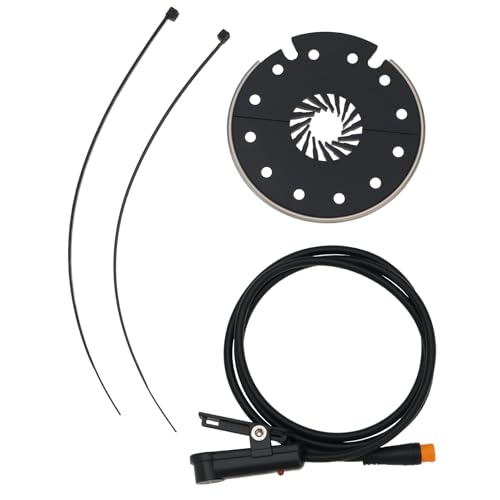
YINETTECH’s KT-D12L PAS Sensor features dual Hall sensors for a more sensitive and stable signal. A built-in signal light provides visual feedback, flashing red as magnets pass by, helping users verify sensor activity. The sensor responds to forward pedal rotation with increased signal, while backward rotation is ignored for safety and intelligent operation. A split design allows installation without removing the crank, and a steel ring secures the unit for a stable fit. The model supports a wide voltage range and comes with a waterproof plug for weather resistance.
This sensor is well-suited for riders who value installation flexibility and safety checks. The dual Hall sensing improves reliability in variable riding conditions, and the waterproof plug minimizes moisture risk. Its ease of mounting makes it a good match for DIY enthusiasts upgrading older bikes or converting non-electric frames to pedal-assisted power.
Frdhee Pedal Assist Sensor

Frdhee’s pedal assist sensor emphasizes an ergonomic, wheel-mounted design with 12 magnets and 1:1 power assist. The device is positioned to match with a broad range of electric bikes on the market, providing straightforward assembly and reliable torque sensing. The 1:1 power delivery is intended to keep pedal effort aligned with motor output, making riding easier and more enjoyable across varied terrain. The sensor’s magnetic arrangement and rugged construction make it a versatile choice for riders seeking consistent performance and broad compatibility with mountain bikes and other pedal-assisted systems.
For riders prioritizing compatibility and predictable response, the Frdhee unit offers a practical, easy-to-install solution. Its magnet configuration and wheel-mounted layout support steady assistance without complicated frame modifications, making it suitable for a wide spectrum of e-bike builds and conversions.
Buying Guide
When selecting a PAS sensor, start by confirming compatibility with your e-bike’s motor controller and connector type. Dual magnetic Hall sensing generally provides more accurate torque detection than single-sensor designs, but may come at a higher price. Pay attention to magnet count (many models use 12 magnets for finer resolution) and the sensor’s signal integrity, particularly under varying pedaling speeds and terrain. Cable length and connector style (3-pin vs proprietary) should match your bike’s setup to avoid issues after installation.
Durability and weather resistance matter for daily riders. Steel or reinforced housings offer greater impact resistance, while waterproof or sealed plugs protect against moisture during wet rides. Installation ease is another key factor; split designs and crank-split mounting save time and reduce disassembly, but may require careful alignment with the chainring. Consider long-term support, availability of replacement parts, and warranty when evaluating value. Finally, reflect on your riding goals—1:1 power deliver**y** provides natural feel on flat terrain and climbs, whereas some controllers may optimize efficiency with alternative scaling—and pick a model that best fits your bike and riding style.
Comparison Snapshot
| Product | Notable Strength |
|---|---|
| Chazcool Pedal Assist Sensor | Durable steel body; dual Hall sensing |
| JZK PAS Sensor | Compact 65mm disc; long 115cm cable; dual Hall sensing |
| Maxmartt Power Pedal Assist Sensor | 1:1 power; durable construction |
| YINETTECH KT-D12L PAS Sensor | Dual Hall sensors; waterproof plug |
| Frdhee Pedal Assist Sensor | 12 magnets; wheel-mounted; 1:1 power |