Exploring rugged trails or mellow neighborhoods requires a capable mountain bike that can handle diverse surfaces. This guide highlights five top picks from trusted brands, focusing on fat-tire machines and hardy hardtails designed to tackle rough terrain with confidence. Each model combines solid frames, reliable brakes, and adaptable gearing to suit a wide range of riders. Use the comparison table below to quickly gauge key specs before diving into detailed reviews.
| Product | Brand | Wheels | Frame | Brakes | Drivetrain |
|---|---|---|---|---|---|
| Schwinn High Timber ALX Mountain Bike | Schwinn | 27.5-inch | Aluminum | Mechanical Disc | 21-Speed |
| Max4out 26 Inch Fat Tire Mountain Bike | Max4out | 26-inch | High-Carbon Steel | Front Suspension | |
| Mongoose Argus ST Fat Tire Mountain Bike | Mongoose | 26-inch | Steel Hardtail | Mechanical Disc | 7-Speed |
| Mongoose Dolomite Fat Tire Mountain Bike | Mongoose | 26-inch | Steel | Front & Rear Brakes | 7-Speed |
| Mongoose Juneau Fat Tire Mountain Bike | Mongoose | 26×4-inch | Aluminum | Disk Brakes | 16-Speed |
Schwinn High Timber ALX Mountain Bike

The Schwinn High Timber ALX brings a lightweight aluminum 17-inch frame and 27.5-inch wheels, engineered to cover neighborhood rides and lightweight trail paths. This bike accommodates riders roughly 5’4” to 6’2” tall, making it versatile for a broad user base. A reliable alloy crank supports smooth gear changes, while twist shifters paired with a rear derailleur enable quick, precise shifts. Front suspension helps absorb bumps, and mechanical disc brakes provide dependable stopping power in varying conditions. With 21 speeds, riders can optimize pedaling efficiency on inclines and flat sections alike.
Designed for practical everyday use, the High Timber ALX emphasizes low maintenance and straightforward performance. Its aluminum frame keeps weight manageable for riders who value responsiveness without sacrificing durability. The 27.5-inch wheels strike a balance between agile handling and sufficient rollover capability on moderate terrain. This model is well-suited for riders seeking a reliable, all-around mountain bike for urban commutes that occasionally dip into light trails.
Max4out 26 Inch Fat Tire Mountain Bike

The Max4out fat-tire mountain bike is built around a high-carbon steel frame and a 21-speed drivetrain, offering robust performance in challenging conditions. The 26-inch wheel size paired with 4-inch knobby tires delivers strong traction across loose dirt, sand, and uneven trails. A front suspension fork cushions bumps, enhancing rider comfort on rocky paths. The reinforced frame and ergonomic design emphasize durability and long-term reliability, making it a practical choice for riders who want a hardy bike capable of tackling varied terrain without sacrificing speed on smoother sections.
With a focus on everyday versatility, this model excels in mixed environments—from casual commutes to weekend trail ventures. The 21-speed setup provides a wide range of gearing to conquer steep grades and acceleration on flatter sections. Its rugged construction aims to balance performance with affordability, appealing to riders who want a capable fat-tire option without premium pricing.
Mongoose Argus ST Fat Tire Mountain Bike
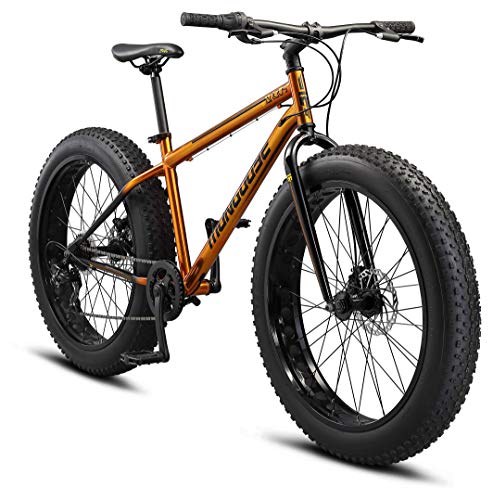
The Mongoose Argus ST introduces fat tires with 26-inch wheels, designed to conquer challenging terrain ranging from wet trails to sandy surfaces. A steel hardtail frame offers sturdy support, while 4-inch wide knobby tires deliver exceptional grip and stability for all-season use. The bike’s 7-speed drivetrain supports efficient climbs and steady cruising on varied paths, and drilled aluminum rims help keep weight reasonable for everyday riding. This model targets riders who want confident off-road performance with a straightforward setup and reliable stopping power through mechanical discs.
For riders transitioning to more adventurous routes, the Argus ST provides a durable, all-terrain option that remains accessible for a wide height range (roughly 5’7″ to 6’1″). The combination of rugged construction and fat tires makes it a practical choice for exploring snow, sand, and loose gravel, while the 7-speed system keeps shifting simple and predictable on mixed surfaces.
Mongoose Dolomite Fat Tire Mountain Bike
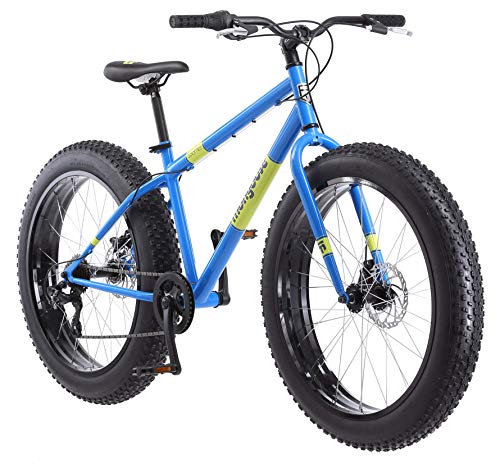
The Mongoose Dolomite Fat Tire Mountain Bike features 26-inch wheels with 4-inch-wide knobby tires on a sturdy steel frame. The design aims to handle off-road trails with confidence, offering a comfortable ride across rough surfaces. This model includes front and rear mechanical disc brakes for reliable stopping power and a 7-speed drivetrain to manage varying terrain grades. The threadless headset helps optimize steering feel and speed performance, while alloy rims keep weight in check for easier acceleration and control.
Ideal for riders seeking a budget-friendly fat-tire option, the Dolomite balances rugged capability with a straightforward setup. The steel frame contributes to durability on rocky routes, while the wide tires increase stability on soft sand and loose dirt. Height adjustments and a comfortable saddle position make it accessible for a broad audience pursuing casual trail adventures.
Mongoose Juneau Fat Tire Mountain Bike

The Mongoose Juneau is a fat-tire mountain bike equipped with 26×4-inch wheels and an aluminum mountain frame designed for versatile riding. The large fat tires provide exceptional traction on snow, sand, and soft ground, while a 16-speed trigger shifter delivers quick, precise gear changes for varying terrain. This model appeals to riders who want a lightweight, nimble ride with the extra stability of fat tires on mixed terrain. It is sized to fit riders roughly 5’4″ to 6’2″ tall, offering broad accessibility for adult riders.
With its aluminum frame and robust fat-tire setup, the Juneau combines efficiency with enhanced capability on challenging trails. The 16-speed system delivers enough gearing variety for climbs and flats, while the responsive brakes help maintain control on descents and technical sections. This bike suits riders seeking a capable fat-tire option that can handle diverse weather and terrain without complexity or high maintenance needs.
Buying Guide
- Traction and tire width: Fat tires (around 4 inches) provide superior grip on sand, snow, mud, and loose surfaces, making them ideal for all-terrain exploration. Narrower tires are lighter and faster on hard-packed trails but offer less stability in soft conditions.
- Wheel size vs terrain: 26-inch wheels offer robust momentum and obstacle clearance on rough trails, while 27.5-inch wheels balance acceleration with clearance. Consider rider height and preferred terrain when choosing wheel size.
- Frame material and weight: Aluminum frames typically deliver lighter weight and good stiffness, enhancing handling and acceleration. Steel frames tend to prioritize durability and impact resistance at a lower cost, often heavier.
- Drivetrain options: More speeds offer finer gear control for climbs and varied terrain. A 7- or 21-speed setup provides broad versatility for casual riders and more aggressive terrains alike.
- Brakes: Mechanical discs are common on affordable mountain bikes and provide reliable stopping power in most conditions. Hydraulic discs offer stronger braking with less lever effort but at a higher cost.
- Suspension: Front suspension helps absorb trail impacts and improves comfort on rough surfaces. Full suspension is better for technical trails, while rigid or front-suspension bikes are lighter and easier to maintain for casual use.
- Rider height and adjustability: Many models list a height range; ensure the standover height, seat, and reach fit your measurements for comfortable pedaling and control.
- Maintenance and durability: Consider frame finish, component quality, and ease of replacement parts. Steel frames are sturdier, while aluminum frames offer easier maintenance and corrosion resistance.
- Terrain focus: If you ride mainly on trails with light obstacles, a versatile hardtail may be sufficient. For snow, sand, or rugged off-road sections, fat tires and a sturdy frame provide added confidence.
- Value and intent: Compare the balance of features against price. A model with fat tires and a robust drivetrain may deliver better long-term value for mixed terrains than a lighter, higher-cost option.