Long days on the trail demand accurate cadence data and reliable GPS. A wireless bike computer with cadence syncs speed, distance, and pedal cadence in real time, helping riders refine pacing and training plans. The following reviews highlight five top options that pair cadence sensors with robust displays, long battery life, and app connectivity. Whether you prefer a feature-rich GPS computer or a compact sensor bundle, these selections cover a range of budgets and riding styles.
| Product | Brand | Cadence Sensor | Display | Connectivity | Notes |
|---|---|---|---|---|---|
| COOSPO BC107 Bundle With Cadence Sensor | COOSPO | BK467 cadence sensor | 2.4-inch Auto-Backlight | ANT+, Bluetooth 4.0 | GPS BC107; Out Front Mount not included |
| COOSPO BC200 GPS Bike Computer Bundle | COOSPO | BK467 cadence sensor | 2.6-inch | ANT+, Bluetooth | 70+ data; customizable display pages |
| Garmin Speed And Cadence Sensor Bundle | Garmin | Cadence Sensor 2 | Display varies | ANT+, Bluetooth Low Energy | Hub and crank mounting; self-calibrates with compatible devices |
| iGPSPORT BSC100S GPS Bike Computer | iGPSPORT | Cadence data included | 2.6-inch | GPS, App connection | 40+ data; Strava sharing |
| CYCPLUS GPS Bike Computer Set | CYCPLUS | Cadence Sensor | 2.9-inch | ANT+, Bluetooth | App sync; Strava compatibility |
COOSPO BC107 Bundle With Cadence Sensor

The COOSPO BC107 bundle includes one BC107 GPS bike computer and one BK467 cadence/speed sensor. It explicitly notes that an Out Front Bike Computer Mount is not included and must be purchased separately, which makes this package a flexible option for riders who already have a preferred mount or want to upgrade gradually. The BK467 sensor uses ANT+ and Bluetooth 4.0 to wirelessly transmit speed and cadence data to compatible devices and cycling apps, helping you monitor performance across sessions. This setup is designed for riders who want a budget-friendly cadence-enabled GPS without extra peripherals.
In use, the BC107 provides GPS-detected speed data alongside cadence readings from the BK467 sensor. The display is a compact 2.4-inch, featuring auto-backlight for legibility in sun or shade. The combination is well suited for everyday training, commutes, and entry-level workouts. For Strava users and other app fans, data can sync through paired devices, enabling ongoing trend tracking. The bundle emphasizes value and straightforward data capture, making cadence tracking accessible to riders who are building a cadence-aware routine.
- 2.4-inch auto-backlight display
- ANT+ and Bluetooth 4.0 connectivity
- Cadence data from BK467 sensor
COOSPO BC200 GPS Bike Computer Bundle

The COOSPO BC200 is a feature-rich GPS bike computer bundled with the BK467 cadence sensor. It sports a larger 2.6-inch display with auto-backlight for improved daytime and low-light readability. A 1200 mAh battery is rated to last up to 36 hours, and the device carries IP67 waterproofing for rain-friendly rides. The BC200 supports more than 70 cycling data points and offers customizable display pages, letting riders tailor what metrics appear on each screen. This makes it a strong option for riders who want more data depth and flexible visualization while keeping cadence data front and center.
Cadence data from the BK467 sensor pairs with GPS-tracked metrics to deliver a full view of efforts and progress. The device also supports ANT+ and Bluetooth wireless transmission to compatible bike computers and cycling apps, enabling seamless data transfer to Strava, TrainingPeaks, and other platforms. The customizable data pages enhance how cadence and other stats are displayed, helping riders observe relationships between cadence, power, and speed during workouts. It’s a capable mid-range choice for cadence-focused training.
- 2.6-inch display with auto-backlight
- 1200 mAh battery; up to 36 hours
- IP67 waterproof; 70+ data fields; customizable pages
Garmin Speed And Cadence Sensor Bundle

Garmin’s Speed Sensor 2 and Cadence Sensor 2 bundle brings reliable, widely compatible motion tracking to your bike. The speed sensor attaches to the wheel hub and self-calibrates with compatible Edge devices or other Garmin/ANT+-based displays, ensuring accurate readings of speed and distance even when a head unit is not present. The cadence sensor attaches to the crank arm to measure pedal revolutions per minute. Both sensors support live data transmission via ANT+ and Bluetooth Low Energy, enabling real-time monitoring on supported smartphones or displays and easy data export to compatible apps like Strava.
These sensors are designed for flexibility across bikes and setups. The hub-mount speed sensor and crank-mounted cadence sensor provide robust cadence and speed data without requiring a dedicated bike computer. The dual-sensor approach makes it easier to track training trends, analyze cadence in relation to speed, and integrate with multiple apps and devices you already use. Users benefit from Garmin’s broad ecosystem, especially if you already rely on Garmin wearables or Edge head units for training analytics.
- Hub-based speed sensor; crank-based cadence sensor
- Self-calibrating with Edge or Garmin devices
- ANT+ and Bluetooth LE for live data and app sharing
iGPSPORT BSC100S GPS Bike Computer

iGPSPORT’s BSC100S GPS Bike Computer emphasizes global positioning with 5 satellite systems (GPS, Beidou, GLONASS, GALILEO, QZSS) for faster positioning and more accurate ride data. It offers a broad data suite, with 40+ riding metrics including cadence, speed, distance, altitude, and more. The device can connect to the iGPSPORT app, enabling data analysis and sharing. It also supports data export to Strava and other platforms, which makes it a practical choice for riders who want a solid data backbone and easy compatibility with popular training apps without a heavy map feature set.
Cadence data is part of the expansive data package, providing essential training feedback about pedal efficiency and cadence consistency across rides. The combination of robust GPS coverage, a generous display, and strong app integration makes the BSC100S a versatile option for riders who value reliable tracking, community sharing, and straightforward data analysis. If you want a balanced GPS bike computer that emphasizes cadence without complicating the interface, this model is worth considering.
- 5-satellite global GPS coverage
- 40+ data fields; cadence included
- App connectivity; Strava sharing
CYCPLUS GPS Bike Computer Set With Cadence Sensor

The CYCPLUS bundle includes a cadence sensor and a capable GPS bike computer with a 2.9-inch display. Its dynamic GPS positioning is described as highly accurate with navigation features suited for road, mountain, and mixed-terrain riding. The device can sync data via ANT+ and Bluetooth with a companion app, enabling data capture for cadence, speed, route traveled, altitude, and more. The display uses FSTN tech for readability, and the screen automatically lights up based on ambient light, aiding visibility in sun or dusk.
Key advantages include cross-compatibility with other sensors and apps, allowing you to collect cadence data alongside power, heart rate, or route data as you train. The device is particularly appealing to riders who want an all-in-one reading surface with smooth app integration. The combination of a mid-sized display and reliable sensors makes it a practical choice for riders who want cadence-aware training without a high price tag.
- 2.9-inch backlit screen; auto illumination
- ANT+ and Bluetooth connectivity
- Cadence, speed, and route data with app sync
iGPSPORT BSC300T Wireless Bike Computer
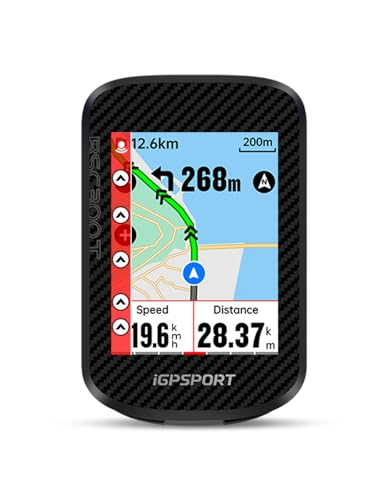
The iGPSPORT BSC300T offers touchscreen navigation along with a durable build and a large display, designed for easier interaction on the go. It supports multiple modes suitable for road, MTB, and E-bikes, including off-course warnings and power-level displays. The device uses GPS to track location and can connect to the iGPSPORT app for data analysis, sharing, and Strava synchronization. Cadence and other metrics are supported when paired with compatible sensors, making it a strong option for riders who want a robust navigational experience combined with cadence tracking.
With the BSC300T, users benefit from an intuitive touchscreen, strong satellite reception, and an ecosystem that can handle cadence data alongside a wide array of metrics. It’s a good fit for riders who value navigation features and a modern interface, while still keeping cadence as a core element of training analytics.
- 2.4-inch or larger touchscreen navigation
- GPS + Beidou + GLONASS compatibility
- Cadence data support via ANT+/Bluetooth with sensors
Buying Guide
Cadence Sensor Integration
When shopping for a cadence-enabled bike computer, prioritize whether the cadence sensor comes included. Bundled options like the COOSPO BC107 and BC200 pair a cadence sensor with the computer, delivering immediate cadence data without additional purchases. If you already own a cadence sensor, confirm compatibility with ANT+ or Bluetooth and ensure the device can receive and display cadence data in real time. Some ecosystems pair cadence with speed, distance, and power for a complete training picture, which is ideal for cadence-focused workouts.
Display Size, Readability And Backlight
Display size and readability strongly affect on-bike usability. Larger screens (2.6–2.9 inches) are easier to read at a glance, especially in bright sun or quick sprints. Auto-backlight, glare resistance, and screen protection (tempered glass) help maintain legibility in all conditions. If you frequently ride in low-light or early morning sessions, a backlit display with clear contrast will improve data visibility and reduce eye strain during long workouts.
GPS Capabilities And Navigation
Consider your need for GPS accuracy, satellite support, and optional navigation features. Models with multiple satellite systems (GPS, Beidou, GLONASS, Galileo, QZSS) tend to lock position faster and provide more reliable routing. If you train with route planning or offline maps, ensure the device supports those features or works seamlessly with your preferred app. For many riders, precise speed, distance, and cadence data combined with strong app integration offer the best overall value without heavy map functionality.
Data Fields, Customization And App Ecosystem
Riders often want to tailor data displays to their training goals. Look for devices offering 40+ data fields and customizable display pages, so cadence, speed, and distance appear in the layout you prefer. App compatibility with Strava, Komoot, TrainingPeaks, and others is a major plus, as it facilitates sharing and long-term trend analysis. Data portability and cloud syncing improve training consistency across devices and sessions, which is especially useful for cadence-centric plans.
Durability, Waterproofing And Mounting
Weather resistance and mounting flexibility are essential for real-world riding. IP ratings (like IP67) indicate water resistance against rain and washing. Make sure the mount type suits your bike and riding style; some bundles omit brackets, so verify what’s included. If you ride in wet or dusty conditions, durability and secure mounting prevent data loss and device damage during hectic rides or crashes.
Battery Life And Charging
Battery life varies with GPS usage and display brightness. Expect multi-day performance on standard training, but more intensive mapping or navigation will shorten runtime. Consider devices that provide battery-saving modes and easy charging options. If you frequently ride long, self-supported routes, prioritize a battery life that exceeds your typical ride duration to avoid mid-ride interruptions.
Value, Bundles And Ecosystem
Bundles that include cadence sensors generally offer better value for cadence-focused riders who want a turnkey setup. Weigh the price against the sensor quality, display size, and features you’ll actually use. If you already own compatible sensors or a preferred mount, standalone computers paired with your existing gear can be the more economical route. Finally, consider whether you want a brand ecosystem with broad compatibility across wearables, head units, and online training communities.