Choosing the right bike for a growing child combines safety, comfort, and a dash of fun. For most six-year-olds, a 16-inch wheel balances stability with the ability to pedal confidently, while a few riders may benefit from an 18- or 20-inch variant as they gain speed and balance. The bikes below are built with kid-friendly components: adjustable seats, training wheels, protected chains, and age-appropriate braking. This guide highlights five top picks that fuse durable frames, reliable braking, and easy handling, helping parents and guardians find a bike that keeps pace with development and everyday adventures.
| Product | Brand | Size | Why It’s Good For Six-Year-Olds |
|---|---|---|---|
| JOYSTAR 16 Inch Kids Bike With Training Wheels | JOYSTAR | 16″ | Lightweight, adjustable, backpedal brake, beach-cruiser style |
| JOYSTAR 18 Inch Boys Bike With Training Wheels | JOYSTAR | 18″ | Next-step size, dual brakes, forward-positioned cranks for control |
| WEIZE Girls Bike With Training Wheels (14/16/20) | WEIZE | 14/16/20″ | Versatile sizes, protective features, decorative accessories |
| WEIZE Kids Bike 16 Inch With Training Wheels | WEIZE | 16″ | Beginner-friendly, handbrake option, full chain guard |
| JOYSTAR New Berry 16 Inch Kids Bike | JOYSTAR | 16″ | Removable training wheels, basket, dual braking, adjustable |
JOYSTAR 16 Inch Kids Bike With Training Wheels
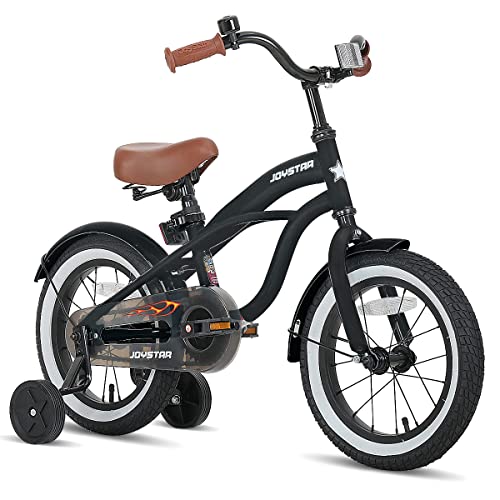
The JOYSTAR 16 Inch Kids Bike is built for beginner riders. A light steel frame and 16-inch wheels help youngsters feel stable on sidewalks and driveways. It uses a rear backpedal brake for simple stopping, reducing coordination demands during early training. The bike mirrors a beach cruiser with front and rear fenders and painted rims, offering a friendly, kid-friendly look that can motivate daily rides. The design prioritizes safety and ease of use, so young riders can focus on balance and steering without being overwhelmed by complex braking.
Adjustment is a key feature: the saddle and stem heights are adjustable, accommodating growth and longer rides. A full chain guard protects clothing and fingers, while removable training wheels provide a gradual transition to balance. The gearing is intentionally low to keep pedaling manageable as kids learn to steer confidently. With its approachable aesthetics and practical components, this JOYSTAR model serves as a strong first bike for many six-year-olds.
JOYSTAR 18 Inch Boys Bike With Training Wheels

This 18-inch JOYSTAR model is designed for children around ages 5 to 8 who are ready to graduate from a 16-inch ride. The bike uses a sturdy Hi-Ten steel frame and fork to withstand the bumps of learning balance. It combines a front handbrake with a rear coaster brake, providing enhanced stopping power and a familiar two-brake setup that many young riders prefer for confidence. Forward-positioned cranks and pedals, narrower grips, and a compact seat contribute to better control and reduced fatigue during longer practice sessions.
Traction is reinforced by rubber off-road tires, which perform well on varied surfaces such as sidewalks, light gravel, and damp pavement. A full chain guard helps prevent clothing from getting tangled, while removable training wheels allow parents to tailor the learning curve. The bike’s lighter weight relative to adult bikes helps kids feel secure while they gain speed and balance, making it a practical step-up for six-year-olds approaching the transition to independence on two wheels.
WEIZE 16 Inch Girls Bike With Training Wheels

The WEIZE 16 Inch Girls Bike is positioned for riders around 4 to 7 years, with a recommended 16-inch wheel size for children approximately 41 to 53 inches tall. The bike emphasizes a kid-friendly fit with smaller grips and a lightweight frame that eases control. A handbrake provides intuitive stopping, while a full-coverage chain guard protects hands, feet, and clothing. Additional features in WEIZE’s 16-inch model include the option to adjust seat height and handlebar position to fit a growing rider, enabling longer enjoyment before a size upgrade is needed.
Safety and practicality are central. The handbrake is designed for younger riders who haven’t built strong braking strength yet, and the chain guard reduces the risk of clothing snag. The design also takes into account future growth, with adjustable components that help maintain a comfortable riding position as the child grows taller. For a six-year-old just learning to ride, this WEIZE bike offers a balanced mix of safety, simplicity, and growth capacity.
WEIZE Kids Bike 16 Inch With Training Wheels

This 16-inch WEIZE model is tailored for beginners ages 4 to 6, offering guidance to ensure the rider can touch the ground with ease. The 16″ wheel size is manageable for shorter legs while providing a stable ride as balance is developed. It features a handbrake to support early braking skills and a full-coverage chain guard for safety. The instruction plate emphasizes fitting the bike to the rider’s height, helping families minimize strain and maximize confidence during practice sessions. The build prioritizes a safe, controlled learning experience with a straightforward maintenance profile.
JOYSTAR New Berry 16 Inch Kids Bike

The JOYSTAR New Berry 16 Inch Kids Bike puts a colorful, kid-friendly spin on a starter bike. It features a sturdy Hi-Ten steel frame with adjustable saddle and handlebar height to grow with the rider, plus removable training wheels that allow a gradual transition from help to balance on their own. A dual braking system (front hand caliper brake and rear coaster brake) provides reliable stopping power in different riding conditions. The fully enclosed chain guard protects little fingers and clothing, while a front basket offers space for small toys or treasures collected on rides.
Buying Guide
Choosing the right training-wheel bike for a six-year-old hinges on balancing growth potential with safety and ease of use. The following considerations help compare options more effectively across sizes and features.
- Wheel size and growth: Most six-year-olds fit a 16-inch wheel, but some kids benefit from an 18- or 20-inch model as they gain balance and speed. Select a bike that allows saddle height to adjust high enough so the child’s feet can touch the ground when seated, improving confidence and control.
- Braking system: Dual braking (front hand brake and rear coaster brake) is common on early-rider bikes and provides redundancy. A single coaster brake can be easier for absolute beginners, but may limit control in certain situations. For growth-friendly models, look for a dependable hand brake plus a secondary braking option.
- Training wheels: Removable training wheels offer a guided transition. A bike should allow easy removal and reattachment without tools or with minimal adjustments. Some models feature quick-release or fold-away training wheels for quick setup changes mid-season.
- Safety features: Full chain guards, rounded frame edges, and fenders help minimize injury risk. A durable, rust-resistant frame and reliable tires also contribute to safer cruising on sidewalks and driveways.
- Adjustability: Adjustable saddle height and handlebar height extend the usable life of a bike as the child grows. Consider models with easy-to-use adjustment mechanisms so parents can fine-tune fit between rides.
- Durability and materials: Hi-Ten steel frames are common and sturdy, though heavier than aluminum. If weight is a concern, review the overall bike weight and balance of frame components with a focus on rider safety and control rather than raw lightness.
- Accessories and aesthetics: Optional baskets, streamers, and bells can make riding more enjoyable for kids, encouraging regular practice. Ensure any added accessories don’t compromise safety or balance.
- Maintenance and assembly: Simple maintenance tasks (brake adjustments, chain lubrication) help keep a bike safe and reliable. Check that the bike comes with basic assembly instructions or access to support resources.
- Sizing guidance: Use the child’s inseam measurement as a primary guide for wheel height and seat position. Manufacturers’ size recommendations are helpful, but a quick test ride remains the best confirmation of fit.
All five bikes listed above are designed to accommodate six-year-olds who are learning to ride with training wheels and are ready to progress to independent balance. When selecting among them, prioritize fit, braking confidence, and the potential for growth. A well-fitted, safety-conscious bike supports longer practice periods, encouraging kids to enjoy cycling while developing essential riding skills that last a lifetime.