Choosing the right roof bike rack can dramatically simplify trips by keeping your bike secure without sacrificing trunk space or accessibility. This guide highlights five roof-mounted racks that balance protection, ease of use, and crossbar compatibility. Each option supports common wheel sizes and tire widths, with distinct designs to suit different vehicles and riding styles. Whether you favor minimal frame contact, a quick-loading system, or budget-friendly reliability, these picks provide solid choices for American road trips and weekends on the trail.
| Product | Brand | Notable Feature |
|---|---|---|
| Thule UpRide Roof Bike Rack | Thule | Low-profile upright tray with no frame contact |
| Yakima FrontLoader Rooftop Bike Rack | Yakima | Front-wheel-on, pivoting arms for maximum bike protection |
| Yakima HighRoad Upright Rack | Yakima | Low-profile tray with TorqueRight security |
| Swagman Upright Roof Mount Bike Rack | Swagman | Simple, lightweight upright with no wheel removal |
| TOOENJOY Rooftop Bike Rack | TOOENJOY | Dual rotatable arms and dual ratchet locks |
Thule UpRide Roof Bike Rack

The Thule UpRide is designed as a universal upright rack that carries a single bike without touching the frame. This helps protect finishes on road and mountain bikes alike. It fits most 20-29 inch wheels and tires up to 3 inches wide, allowing compatibility with a wide range of bikes. Installation emphasizes a straightforward setup on many roof crossbars, and the unit is built to be lightweight while remaining sturdy during transit. While explicit weight limits per bike aren’t listed in the quick specs, the design targets reliable performance for common bike sizes and weights in typical consumer use.
As a compact roof option, the UpRide minimizes hatch interference and supports a clean, low-profile appearance on many vehicles. Its straightforward mounting system reduces the time needed to load and secure a bike, making it suitable for casual riders and quick trips. The key trade-offs include a single-bike capacity and a compact footprint, which means it’s best suited for those who routinely transport one bike and want a simple, effective rack without frame contact.
Yakima FrontLoader Rooftop Bike Rack

The FrontLoader from Yakima protects your bike by holding it with two pivoting upright arms that grip the wheels. This design eliminates front-wheel removal and avoids contact with the bike frame, delivering top-tier protection for many riders’ components. A built-in tightening knob enables faster adjustments, and the Ratchet Lock Mode offers one-hand loading and unloading for greater convenience. The system is designed for a single bike up to 44 pounds per rack and fits most 18-29 inch wheels with tires up to 3.1 inches wide and a wheelbase up to 48 inches, making it a versatile choice for a broad range of bikes.
On installation, FrontLoader emphasizes a seamless fit with rooftop crossbars and secure attachment for peace of mind on road trips. The combination of wheel-centric grip and integrated securing features helps ensure that the bike stays stable through turns and varying road conditions. While the rack excels with wheel-based protection, it’s best suited for riders who want quick loading and added wheel protection rather than a frame-contact approach.
Yakima HighRoad Upright Rack
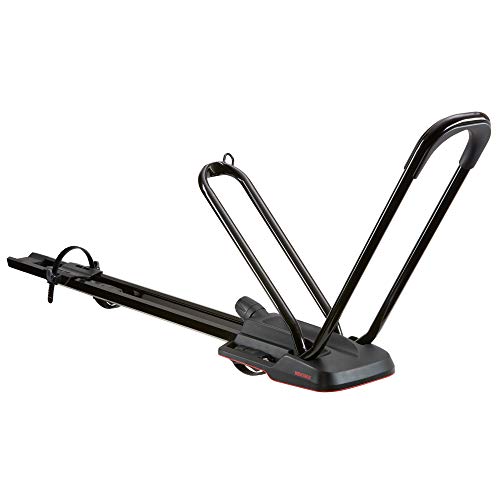
The Yakima HighRoad presents a sleek, low-profile upright rack designed for roofs without hitch receivers. It accommodates wheels from 26 to 29 inches and tires ranging from 23 millimeters to 4.0 inches wide, with wheelbases up to 48 inches and no need to remove wheels. The integrated TorqueRight knob provides fast, precise securing, while the universal mounting hardware interfaces with most roof racks. The system is compatible with Yakima StreamLine crossbars and other factory or aerodynamic crossbars, offering solid cross-vehicle versatility for a premium setup.
Security and stability are emphasized through a secure mounting system that minimizes movement during transport. The HighRoad’s low footprint helps with hatch clearance and overall aerodynamics, reducing wind noise compared with bulkier designs. This makes it a compelling choice for those who prioritize a discreet appearance and strong retention without frame contact for a variety of daily drivers and SUVs.
Swagman Upright Roof Mount Bike Rack
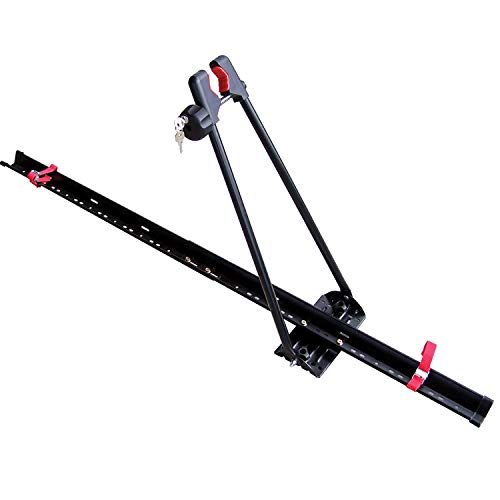
The Swagman Upright Roof Mount is praised for easy assembly and practical single-bike use. It carries one bike with no wheel removal, fitting bikes with wheelbases up to 54 inches and tires up to 3 inches wide. The unit offers a compact design that weighs about 5 pounds, making it relatively easy to install and remove as needed. It supports square, round, and oval crossbars up to 3 inches wide, ensuring broad crossbar compatibility for many vehicles. The main trade-off is its single-bike capacity, which is ideal for riders who want a straightforward, lightweight, no-frills rack.
Despite its simplicity, this Swagman model provides reliable protection through secure mounting on common roof rails and crossbars. It’s particularly well-suited for drivers who value budget-friendly options without sacrificing basic bike retention and ease of use. If you frequently travel with only one bike and want a lightweight, uncomplicated rack, this model offers a solid balance of cost and functionality.
TOOENJOY Rooftop Bike Rack

TOOENJOY offers a rooftop bike rack with two arms designed for movable crossbars and two-bike carrying capability. The dual rotatable load arms securely grip the wheels, ensuring zero contact with the bike frame for protection against scratches. A dual ratchet lock system provides secure front and rear wheel holds with convenient one-hand release for attachment and removal. Built with a sturdy black-coated metal frame and durable ABS components, the rack aims for long-term resilience and steadiness on the road. This setup suits riders who want multi-bike capability without sacrificing frame protection.
While the dual-arm design supports more than one bike on compatible crossbars, it is important to verify your vehicle’s roof and crossbar configuration to ensure proper fit. The mix of metal and ABS components promises durability, while the dual-locking mechanism enhances security for longer trips. It represents a versatile option for households with multiple riders who still value straightforward loading and reliable protection.
Buying Guide
Vehicle and Roof Compatibility
Before choosing a roof rack, assess your vehicle’s roof system. Some cars use bare rails, others have crossbars, and a few rely on factory or aerodynamic crossbars. Look for racks with universal mounting hardware or compatible adapters to fit your setup. If your roof has flush or curved surfaces, a low-profile design can reduce hatch interference and wind noise. For vehicles with shorter roof lengths, ensure the rack footprint remains within the available space without obstructing rear access.
Rack Type And Bike Capacity
Upright racks (like the Thule UpRide and Yakima HighRoad) emphasize frame-safe loading with minimal bike contact, typically supporting one bike per rack. Wheel-on designs (such as FrontLoader) can offer robust wheel gripping with switching flexibility for some multi-bike setups, though many models are sold as single-bike units. Consider how many bikes you transport regularly and whether you want the ability to add additional racks or use multi-bike kits on a single vehicle.
Weight Capacity And Bike Size
Pay attention to per-bike weight limits and wheel size ranges. Some racks specify a maximum per-bike weight (for example, up to 44 or 54 pounds in certain models) and wheel sizes from about 20 to 29 inches. Tire width compatibility matters when you run wider tires or fat tire bikes. If you frequently travel with heavier or wider bikes, opt for racks that clearly list these limits and provide secure, even support across the wheel hubs.
Security Features
Locking mechanisms and anti-theft options vary. Some racks include integrated locking hardware or ratchet mechanisms that secure the wheel or frame, while others rely on basic clamps. For high-value bikes, prioritize racks with locking trays, integrated locking cables, or secure mounting hardware to deter theft when parked in unfamiliar places.
Installation And Ease Of Use
Consider how much time the rack requires to install and remove, especially if you frequently load bikes alone. Racks with tool-free installation, quick-release bolts, or one-handed loading features save time. The weight of the rack itself matters for frequent mounting and dismounting, particularly if you share the vehicle between family members or guests.
Crossbar Compatibility
Most roof racks work with standard crossbars, but some require specific hardware or adapters. If your vehicle uses aerodynamic crossbars or factory rails, confirm compatibility with your chosen model. A rack with universal mounting hardware and tested crossbar compatibility will save you from buying additional adapters or encountering fit issues during installation.
Aerodynamics, Noise, And Weather Resistance
Low-profile racks generally produce less wind drag and noise than bulky designs. Materials matter too; powder-coated steel, aluminum, and robust plastics withstand road salt and weather better over time. If you drive long distances or in windy conditions, a rack with a slim profile and solid construction will improve overall driving comfort and fuel efficiency.
Budget And Value
Premium racks from major brands tend to offer refined fit, security, and ease of use, but budget-friendly models can provide reliable protection for occasional use. Compare installation ease, locking options, and weight capacity against price to gauge value. If you regularly transport bikes or travel with family, investing in a durable, well-supported rack may yield long-term savings in maintenance and peace of mind.
- Check your roof type, crossbar system, and weight limits before purchasing.
- Prioritize frame protection if you own high-end bicycles.
- Assess how many bikes you need to carry and whether you want expandable solutions.
- Ensure compatibility with your most common bike sizes and tires.