Camping often involves balancing gear, food, and supplies while keeping your ride manageable. A reliable bike trailer can expand your capacity, letting you haul tents, sleeping gear, or extra provisions without loading down a backpack. The following five trailers are selected for durability, load capacity, and adaptability across different terrains and bikes. Each option offers a blend of rugged construction, foldability for storage, and compatibility with a wide range of bicycles—perfect for weekend escapes or longer outdoor trips.
| Product | Brand | Load Capacity (lbs) | Wheels | Key Benefit |
|---|---|---|---|---|
| VEVOR Bike Cargo Trailer, 160 lbs | VEVOR | 160 | 16″ | Sturdy steel frame, foldable design, universal hitch |
| VEVOR Bike Cargo Trailer, 275 lbs | VEVOR | 275 | 20″ | Dual-wheel stability, rust-resistant build, high payload |
| Rambo Aluminum Bike Trailer | Rambo | 300 | 16″ | Lightweight aluminum frame, rugged tires, foldable |
| Schwinn Daytripper Bike Trailer | Schwinn | 100 | 16″ | Stable two-wheel design, compact storage, wide frame |
| InStep Take 2 Kids Bike Trailer | Instep | 80 | 16″ | Double-seat for kids, folding frame, quick-release wheels |
VEVOR 160 Lb Bike Cargo Trailer

The 160-pound capacity makes this trailer a practical option for campers who carry essential gear, including tents, sleeping pads, and cooking supplies. Its industrial-grade steel frame is powder-coated to resist rust and wear, providing durability under outdoor handling and uneven terrain. A three-pillar focus on stability is supported by 16-inch wheels and iron hubs, enabling smoother rolling across paved roads and gravel paths. The design includes a universal hitch, expanding compatibility with many bike models and sizes for versatile trips.
Key features include a robust cargo area and reflectors for visibility in dim conditions. The trailer is designed for easy storage thanks to its foldable frame, letting you pack it away in a garage or trunk between adventures. The combination of steel construction and a thoughtful wheel choice helps distribute weight to reduce bike strain, especially when climbing hills or traversing rough surfaces.
For camping applications, this trailer accommodates diverse loads—from compact tents to food supplies. Its robust build and straightforward maintenance contribute to reliability on weekend trips or longer journeys. While it prioritizes payload, riders should ensure proper hitch compatibility with their bicycle and verify clearance when turning with a loaded trailer.
VEVOR 275 Lb Bike Trailer

This trailer doubles payload capacity with a listed 275 pounds, suited for larger camping setups and longer trips with more gear. The 20-inch wheels improve stability and traction across mixed terrain, including uneven gravel or soft trails. A powder-coated steel frame ensures durability and resistance to the elements, critical when camping in varied climates. The dual-wheel configuration minimizes sway and spillage, which can be especially helpful when venturing into remote areas where surface conditions change abruptly.
The trailer folds compactly for storage, which is a practical advantage after a multi-day excursion. Its universal hitch provides broad compatibility with most bike frames, making it a versatile choice for households with different bicycle types. While the higher load capacity is a boon for campers, riders should consider the overall system weight and ensure their bike can handle the added load safely during long rides or steep descents.
Maintenance tips include checking tire pressure, inspecting the powder coat for chips that might lead to rust, and confirming hitch tightness before departures. Proper loading—distributing weight evenly and securing items—helps keep handling predictable, particularly when navigating turns or descending hills with a loaded trailer.
Rambo Aluminum Bike Trailer

Rambo’s aluminum trailer emphasizes a lightweight design while delivering a high payload of up to 300 pounds. The 6061 aluminum alloy frame contributes to reduced weight without sacrificing strength, which is valuable for campers who need to transport substantial gear without overburdening their bicycle. The 16-inch fat tires add versatility for off-pavement use, including dirt roads or grassy campsites, and the 50-pound weight of the trailer itself makes it easier to handle during setup and breakdown.
Durability is reinforced by a rugged swivel mechanism that helps the trailer traverse uneven terrain, a practical feature when navigating forested campsites or rocky paths. The foldable design simplifies storage in a cabin or vehicle trunk, making it easier to bring along for weekend trips. When using this trailer, ensure your bike’s hitch system supports the attachment point and that load distribution remains balanced to maintain stable tracking on uneven surfaces.
Maintenance considerations include inspecting the aluminum frame for cracks or bends after heavy use and ensuring the tires retain adequate air pressure for optimal grip. Regular checks of the hitch and swivel joints help prevent looseness that could affect steering while cycling with a loaded trailer.
Schwinn Daytripper Bike Trailer

The Schwinn Daytripper trailer is built around a stable two-wheel design that distributes load evenly, reducing torque on the bike and improving control when carrying groceries, camping gear, or equipment. With a 100-pound capacity and a folding frame, this trailer offers practical storage options when not in use. Its 16-inch air-filled tires cushion bumps, delivering a smoother ride across mixed terrain, which is valuable when detouring to a lakeside or forest campground after a day of exploration.
Aluminum rims on the Schwinn provide lightweight strength and longevity, supporting repeated trips and rough handling during camping seasons. A universal coupler simplifies attachment to a wide range of bicycles, reducing compatibility concerns for households with multiple bikes. For campers, the Daytripper represents a balanced choice between payload and ease of use, though campers with heavier gear may need to consider larger-capacity models for longer trips or larger families.
Best practice includes pre-trip checks of the frame joints, ensuring all fasteners are tightened and that the tires show no signs of wear. Regularly inspect the coupling mechanism to ensure smooth attachment and detachment, which is especially important when transitioning between campsite setups and long rides to trailheads.
InStep Take 2 Kids Bike Trailer
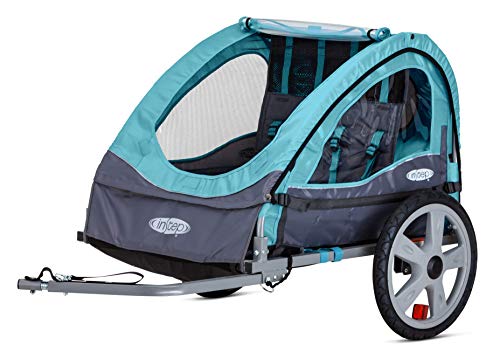
The InStep Take 2 Kids trailer is designed for families who want to bring children along on biking trips. It accommodates two young riders with a total capacity of 80 pounds, making it suitable for shorter jaunts to a camping site or park. The folding frame and quick-release wheels simplify storage, which is helpful when travel space is limited. A canopy with bug screen and weather shield protects riders from the elements, making family outings more comfortable in variable conditions.
The universal coupler supports easy installation on most bicycles, enabling quick transitions between riders or bikes. Large pneumatic tires help absorb bumps, contributing to a steadier ride on uneven park paths and forest trails. When using a kid trailer, parents should follow safety guidelines, such as ensuring seat belts are used, supervising children closely, and selecting routes with moderate terrain to maintain comfort and safety for young passengers.
To maximize enjoyment and safety, check the trailer’s hitch alignment, verify wheel locks, and inspect the canopy and seating for damage after trips. Regular maintenance helps keep the trailer dependable for family outings and camping excursions alike.
Buying Guide
Load Capacity And Cargo Types
Choose a trailer with a payload that matches your gear list. Higher capacities (200+ lbs) are ideal for extended camping trips with tents, cooking gear, and food supplies. Lighter trailers (under 100 lbs payload) suit shorter trips or families with lighter gear. Consider potential weight distribution when loading; keep the heaviest items low and close to the axle to maintain bike handling.
Tires, Terrain, And Stability
Tire size and type influence ride comfort and traction. Larger wheels (20″) and fat tires perform better on rough roads and soft ground common near campsites, whereas 16″ wheels are adequate for paved paths and well-maintained trails. Dual-wheel designs provide stability and reduce the risk of cargo spillage on uneven surfaces.
Frame Material And Durability
Steel frames resist bending and are typically more affordable, but can weigh more and require rust care. Aluminum frames offer lighter weight and corrosion resistance, which helps with portability and long-term use. Powder-coated finishes extend life by protecting against moisture and road salt. Heavier-duty trailers often feature reinforced joints and robust hitch systems to endure repeated camping use.
Folding Capability And Storage
Folding trailers save space in garages, apartments, or car trunks, making them practical for campers with limited storage. Check the folding mechanism for ease of use, lock security, and whether it preserves payload integrity when packed. A compact trailer should still provide easy access to the cargo area when deployed for daily campsite needs.
Coupler Compatibility And Bike Types
Look for universal or widely compatible couplers to ensure the trailer fits your bike model, including mountain, hybrid, or road bikes. Electric bikes require extra consideration for hitch strength and clearance. Confirm hitch height, weight distribution, and foot clearance to prevent interference with pedals and drivetrain during turns.
Weight, Portability, And Budget
Balanced value and portability are key. Heavier trailers may feel cumbersome on longer rides but provide higher durability. Lightweight options improve handling but may offer lower payloads. Compare warranties and included accessories such as reflectors, reflectivity, and storage bags as part of the total value. Consider how often you’ll use the trailer and the type of camping you pursue to pick the best-fit option.