Rugged terrains demand confidence, traction, and reliable performance. Fat-tire mountain bikes with wide, knobby tires offer stability on sand, snow, mud, and rocky trails while still delivering solid handling on everyday paths. This guide highlights five highly relevant products—the best big-tire options for American riders seeking grip, control, and durability on demanding trails. The selections include three fat-tire mountain bikes and two tire upgrades to broaden compatibility with existing rigs. All choices emphasize tread, puncture resistance, and strong frames designed for off-road adventures.
Below is a quick summary table of the chosen products to compare core traits at a glance. Note that the table provides a snapshot and deeper details appear in each product section.
| Product | Type | Key Benefit |
|---|---|---|
| Max4out Fat Tire Mountain Bike | Bike | 21-speed drivetrain with front suspension and a reinforced high-carbon steel frame for comfort and durability |
| Mongoose Dolomite Fat Tire Mountain Bike | Bike | 26″ wheels, 4″ fat tires, adjustable height, and mechanical disc brakes for strong all-terrain grip |
| Mongoose Argus ST Fat Tire Mountain Bike | Bike | All-terrain capable with 26″ wheels and 4″ fat tires, sturdy steel hardtail for tough trails |
| WTB Velociraptor Front Tire 26×2.1″ | Tire | Front-specific tread with large knobs for maximum grip and mud shedding on technical trails |
| Schwinn 26″ x 1.95″ Replacement Tire | Tire | All-terrain traction with wide, blocky knobs and compatibility with internal rim widths 19–29 mm |
Max4out Fat Tire Mountain Bike

The Max4out Fat Tire Mountain Bike is designed to handle rough terrain with a 21-speed drivetrain that enables efficient acceleration, precise gear shifts, and easier hill climbing. A front suspension fork provides shock absorption to dampen bumps, delivering a more comfortable ride on rocky trails. The reinforced high-carbon steel frame combines durability with an ergonomic design to improve rider comfort during long sessions, while the overall setup supports riders who enjoy mixed surface routes, from gravel to mud.
Riders benefit from a versatile build that supports both casual weekend adventures and more aggressive trail workouts. The front suspension, along with the composite of sturdy components, helps absorb impact and maintain control across uneven surfaces. While the tires and ride feel vary with riding style, the bike is crafted to offer dependable performance for those seeking a capable fat-tire option without moving into premium, higher-cost categories.
Mongoose Dolomite Fat Tire Mountain Bike
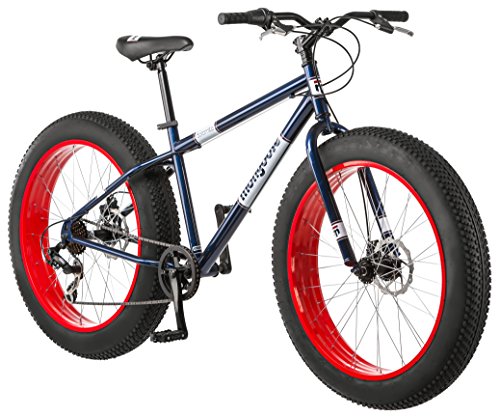
The Dolomite model from Mongoose offers 26-inch wheels paired with 4-inch-wide fat tires to deliver stability on loose and uneven surfaces. Its 7-speed drivetrain supports versatile performance across varied terrains, while a steel frame provides robust durability for prolonged use. The bike is adjustable for riders across a broad height range, and its threadless headset helps optimize handling and speed. Front and rear mechanical disc brakes enhance stopping power in wet or loose conditions, contributing to overall safety on challenging trails.
Designed for riders who want a balance of performance and value, the Dolomite is suitable for a wide spectrum of off-road adventures. It combines a rugged steel frame with fat-tire capability, enabling confident navigation of sand, snow, gravel, and rough dirt. With reliable braking and a straightforward, maintainable drivetrain, it appeals to those seeking a dependable fat-tire option without premium-price complexity.
Mongoose Argus ST Fat Tire Mountain Bike
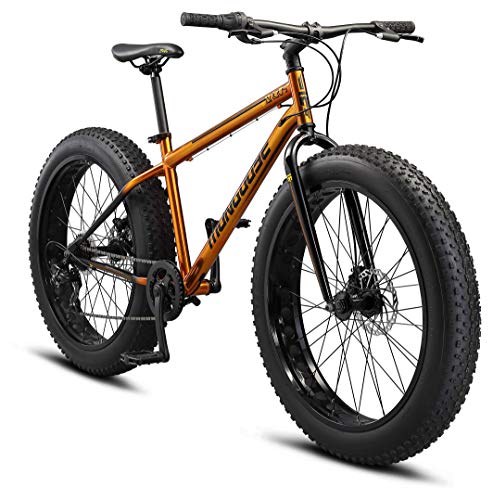
The Argus ST Fat Tire Mountain Bike from Mongoose is built for all-terrain adventures with 26-inch wheels and 4-inch fat tires that deliver substantial grip on gravel, sand, snow, and rocky paths. The steel hardtail frame provides durability under tough riding conditions, while drilled aluminum rims help keep weight in check. This model is designed for riders between roughly 5’7″ and 6’1″ tall, offering a balance of stability and control for a wide range of users. The 7-speed drivetrain supports varied terrain, and the bike’s rugged construction is designed to withstand frequent off-road use.
With its all-terrain focus and robust components, the Argus ST suits riders who prioritize traction and reliability in diverse conditions. The fat tires maximize float and control on soft surfaces, while the steel frame offers long-term sturdiness. The combination of a dependable drivetrain and solid braking system makes the Argus ST a practical choice for riders who want a true fat-tire experience without stepping into professional-grade gear.
WTB Velociraptor 26″ Front Tire
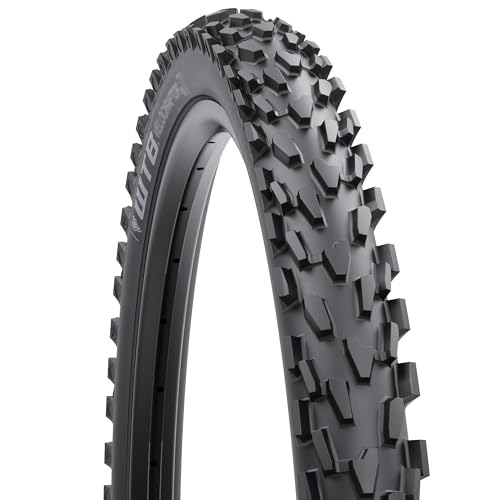
The WTB Velociraptor front tire is crafted for front-specific performance on technical trails. Its pointed geometry knobs are designed to slice through the trail and counteract cornering forces, providing reliable grip and control. The tire features a durable and grippy design with widely spaced knobs for effective mud-shedding and traction across varied terrains. The DNA compound enhances performance, offering a balance between grip and wear resistance for off-road use on rocky and loose surfaces.
As a front tire, Velociraptor emphasizes steering feel and precision on descents or technical sections. It is well-suited for riders who want improved front-end traction on challenging trails, especially where cornering precision and mud clearance matter most. The tire complements fat-bike setups by enhancing grip without sacrificing rolling efficiency on harder pack surfaces.
Schwinn Replacement Tire 26″ x 1.95″
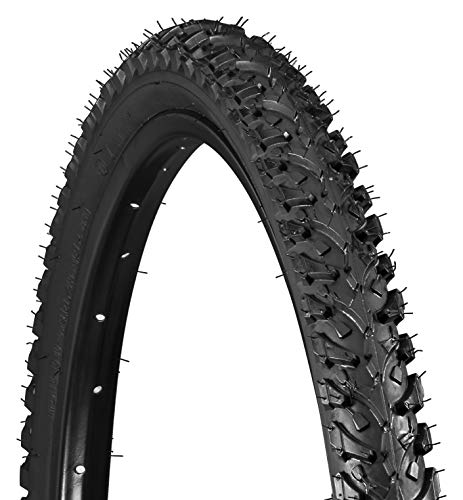
The Schwinn replacement tire is designed to fit 26″ wheels with internal rim widths between 19mm and 29mm, making it a versatile option for many mountain bikes. A 26 x 1.95-inch size provides broad contact with the riding surface, while wide, blocky knobs deliver enhanced traction on loose or rocky terrain. This tire is suitable for mixed-surface riders who want a dependable upgrade for off-road performance and durability without complex installation requirements.
Schwinn’s tire is compatible with a wide range of mountain bikes and is particularly attractive for riders seeking a straightforward upgrade to improve grip and stability on challenging trails. The puncture-resistance features and robust knobs help endure rough sections, while the internal rim width compatibility ensures a smooth fit on many 26″ setups.
Buying Guide
Choosing the right big-tire setup involves balancing terrain, riding style, and bike compatibility. The following considerations summarize essential decision factors from multiple perspectives:
- Tire width and volume: Fat tires (around 4 inches) offer maximum float on sand and snow, but may add rolling resistance on hardpack. For mixed trails, 2.0–2.8 inch widths provide a compromise between traction and speed. Consider the surface you ride most often and how much weight you are willing to carry for traction versus efficiency.
- Wheel size and frame compatibility: Most fat-tire bikes use 26″ or 27.5″ wheels. Confirm that your frame, fork, and brake system accommodate the added tire width and volume. Front suspension or rigid forks affect how tires perform on rough terrain; suspension improves comfort on rocky sections, but adds maintenance needs.
- Drivetrain and gearing: Higher speeds and bigger tires typically demand more torque and a broader gear range. A 21- or 24-speed setup provides flexibility for hills and mixed terrain. For beginners, simpler 7–8 speeds can be sufficient if you ride mostly flat or rolling terrain.
- Braking system: Mechanical disc brakes offer reliable stopping power in varied conditions. Hydraulic brakes deliver stronger, more progressive braking but may require more maintenance. Ensure your wheel and rim design support the chosen braking system for safe descents.
- Puncture resistance and durability: Look for tires with reinforced casings or puncture protection if you ride on sharp rocks or debris. Tubeless setups reduce flats but require compatible rims and sealant.
- Maintenance and replacements: Availability of replacement tires, tubes, and inner rims matters for long-term ownership. Popular models (like Schwinn and WTB options) tend to be widely stocked at retailers and online stores.
- Riding goals and budget: Casual riders prioritizing comfort may favor tire-plus-suspension setups, while serious trail riders focus on durability and grip. Budget-conscious buyers should consider a proven, durable tire upgrade or a complete fat-tire bike that already includes reliable components.
- Accessory compatibility: If upgrading tires separately, verify inner-tube sizes, rim width compatibility, and valve types. Some rear tires may require rim tape adjustments when converting to tubeless.
In summary, the best choice depends on where you ride, how much weight you want to add to your setup, and whether you prefer a full fat-tire bike or targeted tire upgrades. For riders tackling loose sand or thick mud, fat tires paired with a solid frame and capable brakes offer the most noticeable gains in stability and control. For those focusing on paved-to-light off-road transitions, a high-quality front tire paired with a reliable rear setup can significantly improve handling without sacrificing ride quality.