Finding a noseless bike seat can revitalize your rides by reducing pressure on sensitive areas while expanding thigh movement. The following five options represent popular, well-reviewed seats designed to fit a range of bikes from Peloton and road bikes to stationary units. This guide compares fit, padding, materials, durability, and compatibility to help you choose a seat that minimizes discomfort on long sessions and daily commutes alike.
| Product | Brand | Key Feature | Notes |
|---|---|---|---|
| Bluewind Noseless Oversized Bike Seat | BLUEWIND | 13×9 in cushion, 7 cm foam, noseless design | Large, comfortable for long rides; leather surface |
| X WING New-Age Noseless Seat | X WING | Wing-shaped, wide surface, 7.4″ x 12.7″ | Excellent for pain-free, extended rides |
| Schwinn Comfort Bike Seat | Schwinn | Noseless, extra-wide, soft foam | Ideal for casual cruising and upright positions |
| Twomaples Noseless Seat Cushion | Twomaples | 13.7″ wide, 4.9″ thick, patent widened base | High load tolerance, non-slip design |
| ISM PS 2.0 Noseless Saddle | ISM | Noseless with 30-series foam, racing-oriented | Reduces numbness for racers and time trials |
Bluewind Noseless Oversized Seat

The Bluewind noseless oversized seat is designed for riders seeking significant surface area and comfort. The 13×9 inch cushion with a 7 cm foam core provides ample support without saddle-forcing pressure. Its nose-less design reduces friction between the thighs, which can lower hot spots and discomfort during long sessions. A durable microfiber surface offers wear resistance and a non-slip feel, while the seamless edging helps resist moisture and rain. This seat targets riders who want a cushion that performs well on casual rides, commutes, and longer workouts alike.
- Nose-less design minimizes thigh friction and pressure on the tailbone.
- 13×9 inch cushion with 7 cm foam for supportive comfort.
- Durable microfiber surface that’s wear-resistant and non-slip.
X WING New-Age Noseless Seat

The X WING noseless seat emphasizes comfort through a Wing Shape that expands contact surfaces. Its dimensions—approximately 7.4 inches long and 12.7 inches wide with about 5.3 inches of height—offer a broad, stable seating area that can ease pressure on soft tissues and long-ride numbness. The seat is compatible with a wide range of bikes, including city, electric, stationary, Peloton, mountain, and road bikes. This makes it suitable for riders who switch between different cycling environments or equipment while prioritizing long-term comfort and consistent performance.
- Patent-pending noseless design to reduce numbness and pressure.
- Wide, winged surface for extensive contact and stability.
- Broad compatibility across many bike styles.
Schwinn Comfort Bike Seat
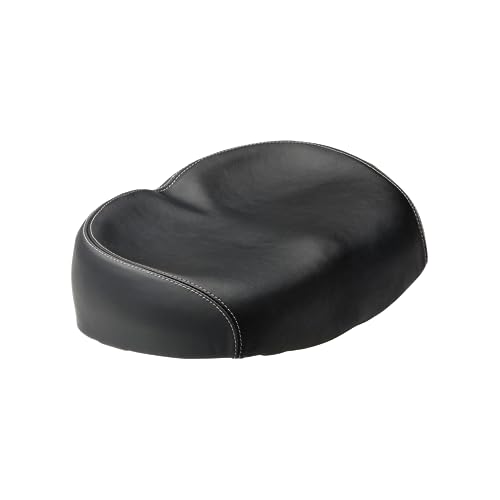
The Schwinn Comfort Bike Seat is crafted for casual cruising with an emphasis on comfort and ease. Its noseless design helps relieve pressure on sensitive areas, making it ideal for upright riding and longer, relaxed rides. The soft foam padding covers the entire seat to deliver consistent cushioning, while the ergonomic shape supports steady, stable riding. Schwinn targets riders who value a traditional, comfortable seating experience without a heavy emphasis on aggressive aerodynamics.
- Noseless design reduces pressure for longer, comfortable rides.
- Soft foam padding throughout for reliable cushioning.
- Ergonomic, stable design suitable for casual cruising.
Twomaples Noseless Seat Cushion

Twomaples offers a noseless seat designed for riders who need extra width and padding. The seat is described as extra wide, with a generous seat base and a supportive concave shape. Its design aims to minimize thigh friction by reducing nose protrusion while providing high-load support with a robust base, claimed to withstand substantial weight. This makes it suitable for Peloton bikes, exercise bikes, electric bikes, and cruisers where stability and comfort over long sessions are priorities.
- Extra wide, noseless design for thigh clearance and comfort.
- Large seat surface with non-slip printing for stability during rides.
- High load capacity and a patent-backed base design.
ISM PS 2.0 Noseless Saddle

The ISM PS 2.0 is a racing-oriented noseless saddle featuring an upgraded 30-series padding for enhanced comfort on long, aggressive rides. Its noseless design targets reduced numbness and discomfort commonly associated with traditional saddles. The saddle also emphasizes a sleek aesthetic and improved cover construction, making it appealing for triathletes, time trialists, and road racers who spend extended time in aero and aggressive riding positions.
- Noseless design reduces numbness and genital pressure during long efforts.
- Upgraded 30-series foam delivers additional comfort without bulk.
- Optimized for racers and aero-position riding.
Buying Guide
Key considerations when choosing a noseless bike seat include fit, riding style, and durability. A noseless design can lower friction and pressure, but it must still accommodate your sit bones and pelvic structure. Here are practical factors to weigh:
- Riding type and bicycle compatibility: Choose a seat designed for your bike class (city, road, Peloton, or stationary). Wider wings and larger contact areas tend to suit upright riders, while aggressive riders may prefer a more compact noseless profile with stable support.
- Width, length, and thickness: Seats vary widely in width. If you have larger hips, look for extra-wide models with substantial surface area. The cushion thickness impacts sit bone support and climbing comfort; thicker foam can reduce fatigue but may alter posture.
- Padding material and density: Foam composition (e.g., memory foam vs. high-density foam) affects contour, responsiveness, and durability. Softer padding can feel plush but may compress over time; firmer padding lasts longer and supports more weight.
- Materials and weather resistance: A water-resistant or leather-like surface is beneficial in varied climates. Seamless edging helps prevent moisture intrusion and wear, while non-slip textures maintain position during rides.
- Durability and weight capacity: Check load ratings and base construction. Seats with higher weight tolerance are more versatile for diverse riders but verify actual specs from the manufacturer.
- Installation and compatibility: Some noseless seats use standard rails and adapters; others require adapters or may be post-specific. Ensure the post diameter and rail compatibility match your bike.
- Maintenance and care: Look for seats that are easy to clean and dry after rain or sweat. Materials like microfiber can be wiped down quickly, preserving appearance and traction.
- Longevity vs. price: The initial cost often reflects padding quality, materials, and warranty. A slightly higher upfront cost can yield longer-lasting comfort and fewer adjustments over time.
- Trial and adjustment: If possible, test seating with a return policy. Small adjustments in tilt or micro-positioning can dramatically affect comfort and pressure distribution.
Across these options, noseless designs focus on reducing friction and sit-bone pressure while offering broad support. Choose a model that aligns with your typical ride length, bike type, and body geometry. For athletes and long-distance riders, a wider, wing-shaped seat with robust padding tends to provide the most consistent relief. For casual riders, the most comfortable soft-foam option with a stable, easy-to-clean surface may be the best fit. Always prioritize a secure fit and easy maintenance to extend comfort over time.