The market for toddler helmets blends safety with comfort, customization with style. This guide highlights five top-rated helmets that fit infants and young children, offering reliable protection as they learn to ride, scoot, or skate. Each option combines a sturdy shell, cushioned interior, and adjustable sizing to grow with your child. All listed helmets meet or exceed basic safety norms for children’s helmets and emphasize airflow to keep little heads cool on longer sessions. Use the quick reference table below to compare essentials at a glance.
| Product | Brand | Size Range | Key Feature |
|---|---|---|---|
| Lemmeko Adjustable Toddler Helmet | Lemmeko | 18.9-21.7 in (49-55 cm); 18.9-20.5 in (48-52 cm) | 1-8 years; 11 vents; removable padding; back-dial adjust |
| Bimalsic Toddler Helmet 1-3 Years | Bimalsic | Lightweight polycarbonate shell; 12 vents; adjustable fit; dual safety standard | |
| Glaf Baby Bike Helmet (XS) | Glaf | Multi-sport use; PC shell + EPS foam; adjustable sizing | |
| Mountalk Toddler Bike Helmet | Mountalk | Two sizes; comfortable dial-fit; versatile for multiple sports | |
| XJD Toddler Helmet (XS-S) | XJD | 14 vents; lightweight; dual-size options; soft padding |
Lemmeko Adjustable Toddler Helmet

The Lemmeko helmet emphasizes robust protection with a hard PC outer shell plus an impact-absorbing EPS inner foam. This combination helps safeguard toddlers during indoor and outdoor play, including bikes, scooters, and skateboards. The design accommodates a broad age range, from toddlers through early elementary years, while remaining lightweight to prevent fatigue during longer outings. The helmet’s 11 vents promote airflow, helping to keep rising temperature at bay as kids become more active. A removable, sweat-absorbent liner simplifies cleaning between adventures.
Fit is user-friendly thanks to an adjustable back dial and a secure chin strap. The sizing options cover roughly 18.9 to 21.7 inches (48 to 55 cm) and 18.9 to 20.5 inches (48 to 52 cm) in some configurations, making it adaptable as a child grows. This flexibility is ideal for households with siblings of varying ages or kids who quickly outgrow their gear.
Bimalsic Toddler Helmet 1-3 Years
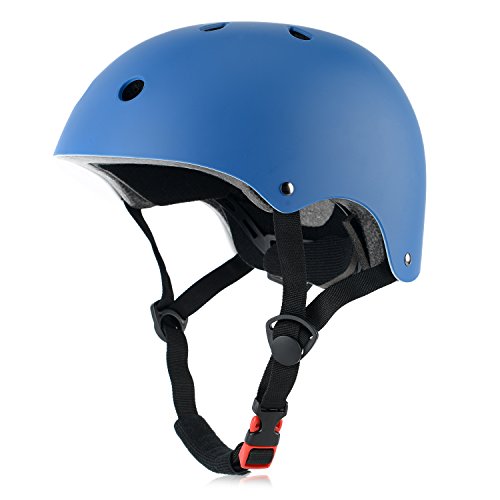
The Bimalsic helmet blends a lightweight polycarbonate shell with an EPS foam core to cushion impacts during bike rides, roller skating, and scooter sessions. Its compact design is tailored for toddlers, with sizing that includes an adjustable dial fit for a secure, snug feel without pinching. The helmet features an ample vent system to promote airflow, helping little ones stay comfortable on warm days or energetic playdates. Compatibility with common head shapes makes it a practical choice for many households.
Safety compliance is a highlight, with the product noting conformance to recognized U.S. safety standards. The helmet’s extended coverage and chin-strap design ensure a stable fit during falls or quick movements. The combination of reliability and ease of use makes it suitable for first-time riders who are learning to balance and pedal with confidence.
Glaf Baby Bike Helmet (XS)

The Glaf toddler helmet is designed for little heads aged 18 months and up, with two compatible sizes to grow alongside your child. Its construction uses a sturdy PC shell with EPS foam to provide reliable impact protection for a variety of activities—cycling, skateboarding, inline skating, and scooting. The helmet’s simple sizing guide helps caregivers measure correctly to ensure a snug fit, which is critical for safety. The matte black XS option offers a sleek, kid-friendly aesthetic that can appeal to both boys and girls.
Glaf emphasizes practicality with a comfortable fit and durable materials. The helmet is built to withstand daily use and frequent adjustments as kids become more confident riders. The lightweight design reduces strain on small necks, encouraging longer, safer play sessions without sacrificing protection.
Mountalk Toddler Bike Helmet
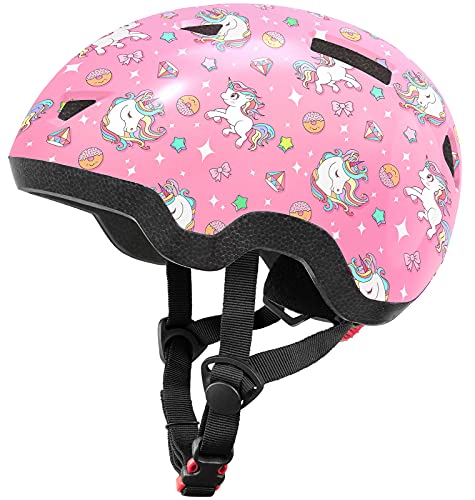
Mountalk presents a practical, small-to-big helmet set designed to fit children from infancy through early school years. The helmet offers two sizes—XS for younger toddlers and S for older kids—along with an adjustable dial-fit system to secure a snug, safe wrap around the head. This approach supports a worry-free transition as youngsters grow and their riding abilities develop. While the exact vent count isn’t specified in all listings, the overall design emphasizes breathable construction and a comfortable interior for extended wear during bike rides, scooters, or skating sessions.
One of Mountalk’s advantages is its versatility for multiple sports, which can help simplify gear purchases for families engaging in a variety of activities. The integration of a secure chin strap and easy adjustability makes it a dependable choice for growing toddlers who are learning balance and coordination on wheels.
XJD Toddler Bike Helmet (XS-S)

The XJD helmet combines a strong injection-m molded outer shell with an EPS foam inner lining to deliver reliable impact protection for toddlers learning to ride. The design offers two sizes—XS (46-51 cm) and S (52-56 cm)—to accommodate a range of head circumferences as your child grows. It includes 14 vents to promote airflow and a soft interior with Velcro padding for a comfortable, chafe-free fit. A bug mesh at the front vents helps maintain comfort by reducing debris in the helmet while riding outdoors.
Ventilation, fit, and lightweight construction make the XJD helmet a popular option for parents seeking a practical, multi-sport helmet for toddlers. The size options align well with early childhood growth, supporting longer use as kids transition from toddler years into early elementary stages. The combination of protection, comfort, and affordability contributes to its appeal for regular family outings.
Buying Guide: Key Purchase Considerations And Comparisons
- Head size and fit: Measure your child’s head at the widest point above the eyebrows and around the back of the head. Look for helmets with an adjustable dial, adjustable chin strap, and multiple size options to ensure a snug, secure fit as your toddler grows.
- Safety standards: Choose helmets that comply with recognized safety standards (such as U.S. CPSC or ASTM). Certification signals that the helmet has undergone testing for impact resistance and construction quality suitable for children.
- Ventilation and comfort: For active toddlers, good airflow matters. Look for helmets with a higher vent count and breathable interior padding that is removable and washable to maintain hygiene and comfort.
- Weight and ergonomics: A lightweight helmet reduces neck fatigue and encourages longer, safer play. Check for a low-profile design that sits comfortably on a toddler’s head without tilting forward or backward.
- Construction materials: A tough PC shell paired with an EPS foam lining is common and effective for impact absorption. Ensure the liner is removable for easy cleaning and that padding is soft against the skin to prevent chafing.
- Adjustability versus growth: Helmets with back-dial adjusters and multiple sizing options are ideal for growing toddlers. Some models offer two or more size options to cover several years of use.
- Style and appeal: Color and design can influence a child’s willingness to wear a helmet. Choose kid-friendly colors and patterns, ideally with a secure, comfortable fit rather than a bulky look.
- Maintenance and care: Removable liners simplify cleaning. Check for compatibility with washing instructions and ease of replacement parts if needed.
- Price versus value: While price can be a consideration, prioritize safety certifications, proper sizing, and comfort. A well-fitting helmet that your child wears regularly provides better protection than a cheaper model that sits unused.
- Usage scenarios: If your toddler uses a helmet for bike riding, skating, and scooters, consider a multi-sport helmet with versatile sizing. This reduces the need for multiple helmets as activities change.
In short, select a helmet that fits securely, provides essential impact protection, and remains comfortable and easy to clean. The five options above offer a spectrum of sizes, ventilation, and adjustable features designed to protect toddlers during early riding experiences while accommodating growth. Compare sizing charts, confirm safety certifications, and involve your child in choosing a design they find appealing to encourage consistent use.