Choosing a helmet for a young rider requires attention to fit, safety standards, and comfort. The following top-rated baby and toddler bike helmets are designed for ages from infancy through early childhood and are suitable for bikes, scooters, skateboards, and other active pursuits. Each option offers adjustable sizing, impact-absorbing materials, and kid-friendly designs to encourage safe riding. Use the summary table for a quick look, then dive into detailed notes on why each model may fit your child’s needs.
| Product | Brand | Key Features | Size Range |
|---|---|---|---|
| Schwinn Purple Polka Dots | Schwinn | Lightweight, 360-degree dial fit, vented shell, visor | 44-50 cm |
| Schwinn Teddy Bear | Schwinn | Lightweight, dial-fit, interior padding, vented | 44-50 cm |
| GLAF Matte Black | Glaf | 2 sizes, PC shell + EPS foam; comfortable padding | 18.1″-20.0″ / 20.4″-22.0″ |
| Retrospec Scout | Retrospec | 14 vents, Ergoknob-2 dial, lightweight EVA shell | 2 sizes |
| XJD Toddler Helmet | XJD | 14 vents, front mesh vents, soft Velcro padding | 46-56 cm (two sizes) |
Schwinn Purple Polka Dots Kids Helmet

Designed for toddlers aged 1–3 with a head circumference of 44–50 cm, this helmet uses a 360-degree dial-fit system to grow with your child. The lightweight shell and multiple vents keep heads cool during active play, while an integrated visor shields eyes from sun and glare. Internal padding and a secure chin strap ensure a snug, comfortable fit for rides on bikes, scooters, or skateboards. This model emphasizes a cute, kid-friendly look without compromising safety features.
Schwinn Teddy Bear Kids Helmet
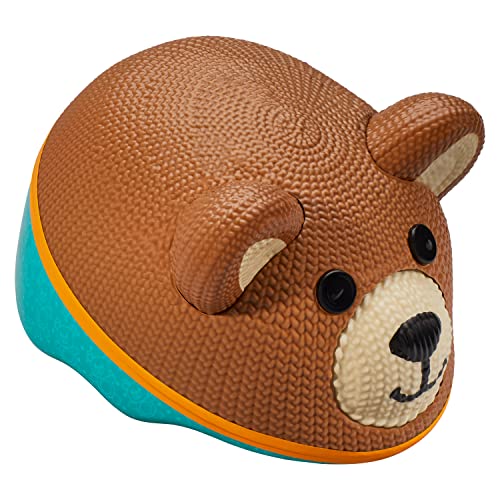
This infant/toddler helmet features a playful 3D teddy bear design and is sized for 44–50 cm head circumferences (typical ages 1–3). It includes a 360-degree dial-fit system and interior padding for a secure, comfortable fit as your child grows. The lightweight shell and ventilation keep rides enjoyable, while the adorable design makes helmet-wearing appealing for everyday use on bikes, scooters, or skateboards.
GLAF Matte Black Toddler Helmet

GLAF offers two sizes for kids aged 18 months and older, with Small 18.1″–20.0″ and Medium 20.4″–22.0″ options. The helmet combines a PC shell with EPS foam for impact absorption and durability, plus soft padding to reduce irritation during extended wear. This model suits a variety of active activities, from cycling to scooter use, and is suitable for both boys and girls, making it a practical long-term option as your child grows.
Retrospec Scout Toddler Bike Helmet

Engineered for safety and comfort, the Scout helmet uses a lightweight PVC shell with EPS foam and meets safety certifications for children. It is sized for little riders with easy, no-dig nylon chin straps and an Ergoknob-2 dial for quick, precise adjustments. With 14 vents and a channel-vented interior, the helmet stays cool during active play, helping kids stay engaged in cycling, skating, and other outdoor activities.
XJD Toddler Bike Helmet Black

Combining a strong injection-molded outer shell with an EPS foam inner liner, the XJD helmet emphasizes impact resistance and durability. It offers two sizes—X-Small (46–51 cm) and Small (52–56 cm)—to fit toddlers from about 1 to 5 years old. Twelve to fourteen vents promote airflow, while front mesh vents and soft Velcro padding keep little chins and cheeks comfortable during rides on bikes, scooters, or inline skates.
Buying Guide
Size and Fit
- Measure your child’s head at the widest point above the eyebrows. Use the size chart on each listing to pick the best match.
- Many models offer adjustable dial-fit systems or adjustable chin straps to accommodate growing heads and comfort preferences.
- Two-size or multi-size helmets are common for toddlers; ensure the helmet sits level and covers the forehead without obstructing vision.
Safety Certifications
- Look for certifications such as the US CPSC standard (often listed as CPSC 1203) and, where applicable, ASTM standards. These indicate baseline impact protection.
- Always verify the helmet’s certification on the product page or packaging before purchase.
- Certified helmets should not have cracked shells, missing padding, or frayed straps.
Ventilation and Comfort
- Vents promote airflow to reduce sweating and improve wearing comfort during longer rides.
- Interior padding should be removable and washable for hygiene, especially for young children.
- Lightweight construction helps reduce fatigue and encourages consistent helmet use.
Materials and Durability
- Common configurations combine a polycarbonate (PC) outer shell with an EPS foam inner liner for impact absorption.
- Durable shells and well-secured straps withstand rough play and repeated use.
- Integrated visors or shields can protect eyes from sun and glare during outdoor activities.
Design, Style, And Growth
- Kid-friendly designs (animals, bright colors, patterns) can improve acceptance of helmet use.
- Most models offer growth features via adjustable dials or multiple sizes; plan for continued use as your child grows.
- Removeable padding and washable covers help maintain hygiene and comfort over time.
Value And Longevity
- Balanced helmets with reliable safety features and adjustable sizing tend to offer better long-term value.
- Higher ventilation and lighter weight can improve daily wear, encouraging consistent use during play and travel.