For indoor cycling, a power meter provides precise feedback on effort, allowing you to structure workouts, track progress, and push training gains with objective data. The best options blend high accuracy, long battery life, and easy transfer between bikes or trainer setups. The five picks below cover pedal-based meters and crank-based systems from Magene and Favero Assioma, offering reliable data for stationary bike sessions and smart trainer workouts alike.
Key considerations include measurement accuracy (often around ±1%), battery longevity for long training blocks, and wireless connectivity (ANT+ and Bluetooth) to feed data into training apps and head units. Durability and ease of installation also matter, especially if you move meters between multiple bikes. The following overview and buying guide highlight top-performing choices along with practical guidance for indoor training scenarios.
| Product | Type | Accuracy | Battery Life | Connectivity |
|---|---|---|---|---|
| Magene P715 S Power Meter Pedals | Pedals | ±1% | Up to 120 hours | ANT+, Bluetooth |
| Magene PES P505/P515 Power Meter Crankset | Crankset | ±1% | Up to 330 hours | ANT+, Bluetooth |
| Favero Assioma UNO Pedal Meter | Pedals | Not specified | Not specified | Not specified |
| Favero Assioma Duo Pedal Meter | Pedals | Not specified | Not specified | Not specified |
| Favero Assioma Pro MX-1 Pedals | Pedals | Not specified | Not specified | Bluetooth & ANT+ |
Magene P715 S Power Meter Pedals

The Magene P715 S pedals deliver precise power data with about ±1% accuracy, making them suitable for structured indoor workouts and endurance sessions. With up to 120 hours of battery life, they are designed for long training blocks without frequent recharges. Connectivity includes both ANT+ and Bluetooth, enabling seamless data streaming to most bike computers, apps, and trainers. Installation is quick—about one minute—so you can swap between bikes or set up a trainer session rapidly. The compact design helps minimize added pedal weight and maintains efficiency during hard intervals.
- Power accuracy: ±1%
- Battery life: up to 120 hours
- Connectivity: ANT+ and Bluetooth
- Easy installation: about 1 minute
- Broad compatibility with devices and apps
Magene PES P505/P515 Power Meter Crankset

The Magene PES P505/P515 power meter crankset targets indoor training reliability with precision up to ±1%. It combines advanced strain gauges, acceleration sensors, and intelligent temperature compensation to keep data accurate in varied indoor conditions. Weighing about 625g (with a 99g spider) and built from 7075 aircraft-grade aluminum, the crankset features a triple hollow design for stiffness and durability. A long battery life—up to 330 hours—supports extended workouts or traveling training camps. The unit is IPX7 waterproof and supports 110BCD, plus ANT+ and Bluetooth connectivity for versatile data access.
- Accuracy: ±1%
- Weight: 625g (99g spider)
- Battery: Up to 330 hours
- Crank compatibility: 110BCD
- Water resistance: IPX7
- Connectivity: ANT+ and Bluetooth
Favero Assioma UNO Pedal Meter
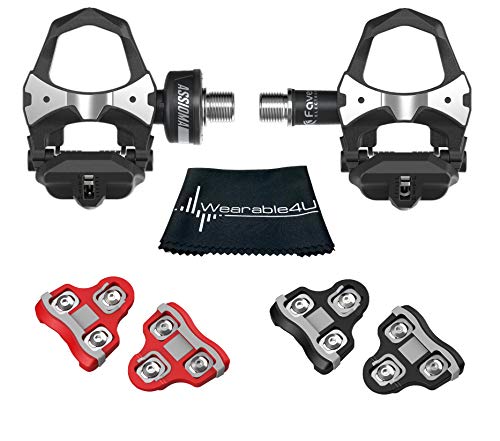
The Assioma UNO from Favero Assioma features a left-side sensor that delivers true left power data, enabling accurate power measurements with a single-sensor setup. The bundle includes extra cleats and cleaning cloth, and its design emphasizes easy installation and tool-free transfer between bikes, aligning well with indoor training when swapping a single PM between home trainers or gym bikes. While the listing highlights the left-pedal data approach, users seeking simple, portable power measurements for indoor sessions will find this option compelling for its simplicity and transferability.
- Left-pedal sensor providing power data
- Easy installation and transfer between bikes
- Bundle includes extra cleats and cleaning cloth
- Compact, pedal-based design
Favero Assioma Pro MX-1 Pedals

The Favero Assioma Pro MX-1 pedals build on the Assioma line with dual-sensor capability and a robust, IP67-rated design, ensuring reliable performance in challenging indoor environments. The bundle includes a power bank and essential accessories, supporting extended sessions and easy charging on the go. Bluetooth and ANT+ compatibility enable broad data access to bike computers and training apps. The MX-1 setup emphasizes reliability across a range of trainer configurations, making it a solid choice for frequent indoor cyclists who want precise, transferable data between bikes.
- Dual-sensor arrangement for complete power data
- IP67-rated rugged design
- Includes power bank and accessories
- Bluetooth and ANT+ compatibility
Favero Assioma Duo Pedal Meter Bundle
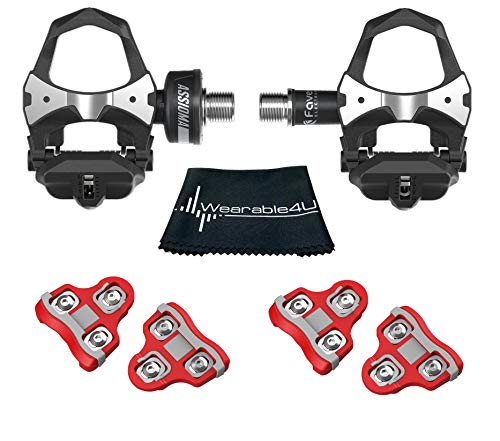
The Favero Assioma Duo pairs a sensor in each pedal to deliver true left/right power data, enabling detailed analytics across both legs. The bundle includes extra cleats and a cleaning cloth for maintenance. This dual-sensor design supports balanced training feedback and precise performance tracking during indoor sessions. Like other pedal meters in the Assioma family, Duo meters are designed for easy installation and quick transfer between bikes, making them practical for multi-bike setups and gym environments.
- Left and right power data from both pedals
- Includes extra cleats and cleaning cloth
- Easy installation and bike-to-bike transfer
- Direct compatibility with common training apps and devices
Buying Guide
Pedal-Based vs. Crankset Power Meters
Pedal-based meters (like the Favero Assioma and Magene P715 S) measure power at the pedal interface, enabling easy transfer between bikes and trainers. They’re ideal for riders who train across multiple bikes and want quick swaps without removing crank components. Crankset meters (Magene PES P505/P515) measure power at the crank and often deliver robust stiffness and a compact footprint. They can be more challenging to move between bikes due to crank installation but can offer excellent accuracy and stability on a per-crank basis.
Accuracy and Data Quality
Most high-quality meters claim around ±1% power accuracy, which provides reliable data for interval pacing and performance tracking. Keep in mind that temperature compensation and calibration routines influence real-world consistency. If you switch between indoor trainers and outdoor rides, a system with strong temperature compensation and stable long-term calibration will reduce data drift during workouts.
Battery Life and Charging
Long battery life reduces downtime between sessions. Pedal-based meters often advertise extensive runtime (120–330 hours in the listed options), which matters for block training or travel. Crankset meters also emphasize energy-efficient circuits. When training across multiple days or locations, consider how you’ll recharge or carry spare batteries and whether charging accessories are included in the package.
Connectivity and Ecosystem Fit
ANT+ and Bluetooth are the two main protocols to connect PMs with bike computers, smart trainers, and apps like Zwift, TrainingPeaks, or Garmin devices. A PM with both options offers maximum compatibility. Confirm compatibility with your existing devices and apps to ensure seamless data streaming, workout plans, and real-time performance feedback.
durability and Water Resistance
Indoor environments can involve sweat, humidity, or occasional splash from cardio equipment. An IP rating (like IP67) indicates resistance to water and dust, which can extend the life of a PM during wiping and cleaning after sessions. A robust housing and weather-sealed connectors help maintain long-term reliability in gym or home setups.
Transferability and Installation
One practical factor is how easily a PM can be moved between bikes. Pedal-based meters typically glide between bikes with fewer tools, while crankset meters may require more effort to swap cranksets or adjust spider widths. If you share equipment with others or train in multiple locations, prioritize units designed for easy transfer and quick setup to maximize training consistency.
Use Case Scenarios
For home gym setups with a single bike, a crankset meter can be compact and robust, reducing the possibility of pedal clearance issues on certain trainers. For multi-bike households or gym environments, pedal-based meters offer superior portability and convenience, especially when transferring data across devices and apps during sessions. Consider your typical training environment, the need for left/right data, and how often you’ll move the meter between bikes.