Finding an affordable 20-inch bike that supports safe learning and growing skills can be a priority for families. This guide highlights five budget-friendly 20-inch bikes well-suited for kids ages roughly 6 to 12. Each option balances basic safety features with simple design, making it easy for young riders to enjoy their first rides or progress to more confident biking. From coaster brakes to dual hand brakes and sturdy steel frames, these bikes combine reliability with value. Read on to see practical choices that perform without breaking the bank.
| Product | Brand | Wheel Size | Braking | Best For |
|---|---|---|---|---|
| WEIZE 20-Inch Kids Bike (Blue) | WEIZE | 20″ | Coaster & Hand Brake | Beginner riders |
| WEIZE 20-Inch Mountain Bike For Kids | WEIZE | 20″ | Front & Rear V-Brakes | Young adventurers |
| Air Zone Aftershock 20-Inch Bike | Dynacraft | 20″ | Front & Rear Brakes (linear pull) | Fun, active riding |
| Schwinn Elm 20-Inch Bike | Schwinn | 20″ | Coaster & Front Hand Brake | Progressive learners |
| RoyalBaby Freestyle 20-Inch Kids Bike | RoyalBaby | 20″ | Front Caliper & Rear Coaster Brake | Street/stunt-style riding |
WEIZE 20-Inch Kids Bike (Blue)

The WEIZE 20-Inch Kids Bike is designed for riders aged about 6 to 12, with the rider height range around 48 to 60 inches. It emphasizes beginner-friendly handling through a lightweight frame and smaller grips, aiding balance and control as kids learn to pedal and steer. A coaster brake works alongside a hand brake, helping children gradually build confidence in braking. An enclosed chain guard adds a layer of safety by minimizing the chance of clothing tangling or pinching. A color option helps kids express personality while staying within a budget.
- Size guidance based on inseam and saddle height to ensure touch-ground safety.
- Lightweight frame and smaller grips for easier handling.
- Coaster brake plus hand brake with an enclosed chain guard for safety.
Overall, this bike targets beginners who want a simple, low-risk entry into biking with clear safety features and straightforward maintenance.
WEIZE 20-Inch Mountain Bike For Kids

This WEIZE 20-inch mountain bike is built for energetic riders ages roughly 6 to 13 or a height range of about 42 to 55 inches. It uses a durable high-carbon steel frame designed to endure the bumps of playful riding, while a lower standover height makes mounting and dismounting smoother for younger riders. The tires, 20×2.125 inches, are chosen for reliability and grip, reducing the risk of slips on varied surfaces. Front and rear V-brakes provide responsive braking, complemented by a straightforward dual-braking system that supports growing rider confidence.
- Ergonomic steel frame for safety and longevity.
- 20×2.125″ tires for grip and stability.
- Dual V-brakes offer reliable stopping power for beginners.
Ideal for kids who want a sturdy bike capable of mild off-road fun while remaining easy to ride and maintain.
Air Zone Aftershock 20-Inch Bike

The Air Zone Aftershock focuses on a value-oriented, fun-to-ride package with dual suspension and a six-speed grip shift derailleur for kids exploring varied terrain. Front and rear linear pull brakes offer intuitive stopping, which is especially helpful for riders transitioning from training wheels. The bike’s geometry and components are designed to encourage exploration, urban riding, and light trail use without complicating maintenance or increasing cost. It suits riders who want a little more capability without a heavy or complex bike.
- Dual suspension for smoother rides on rough pavement and light trails.
- Six-speed grip shift for easy gear changes as kids gain confidence.
- Front and rear linear pull brakes for straightforward braking control.
This model balances playfulness with practical features, making it suitable for family rides and growing riders who want more than a basic bike.
Schwinn Elm 20-Inch Bike
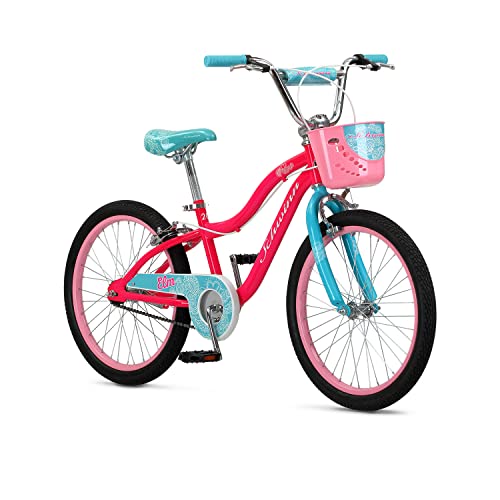
The Schwinn Elm is designed for children aged about 7 to 13, with a SmartStart approach that emphasizes stability and easy starts. Its 20-inch wheels fit riders around 48 to 56 inches tall, and the bike’s geometry features a low standover height to simplify on-and-off transitions. Braking consists of a rear coaster brake and a front hand brake, allowing kids to practice controlled braking while transitioning from a beginner-friendly setup to a more advanced configuration as they mature. The Elm prioritizes comfort with a lighter frame and appropriately sized grips and pedals.
- SmartStart design for easier starts and more control.
- Low standover height aids safe mounting and dismounting.
- Coaster rear brake and front hand brake for progressive braking skills.
Suitable for confident beginners who are ready for smoother braking and more predictable handling as they grow.
RoyalBaby Freestyle 20-Inch Kids Bike

The RoyalBaby Freestyle 20-Inch bike targets kids who want a BMX-inspired ride with practical safety features. It uses dual braking for added security — a front caliper brake paired with a rear coaster brake — plus wide 2.4″ pneumatic tires to improve stability and grip. The steel frame and included assembly tools help families set up quickly, with a focus on safer handling during learning phases. This model suits riders who are interested in street-style riding and simple tricks as they gain confidence.
- Front caliper brake and rear coaster brake for balanced braking.
- Wide tires provide stability and grip on varied surfaces.
- Easy assembly with included tools and user-friendly instructions.
Ideal for young riders seeking a stylish, approachable entry into freestyle riding while maintaining straightforward maintenance.
Buying Guide
Choosing the right 20-inch bike for a child involves balancing safety, longevity, and the rider’s current abilities. The following considerations help compare the five options and determine which fits best.
Wheel Size and Rider Fit
Twenty inches is a common starting point for kids around ages 6 to 12, but height and inseam measure matter more than age alone. Look for bikes with adjustable seats and handlebars to accommodate growth. A bike that supports safe ground clearance without overreaching helps reduce falls and builds confidence as skills improve.
Braking Systems
Braking setup varies by model. Coaster brakes are common on beginner bikes and require back-pedaling to stop, which some kids find intuitive. Front hand brakes provide direct stopping power. Dual braking (front hand and rear coaster) offers a gradual transition to independent braking. For BMX-inspired rides, a front caliper brake paired with a rear coaster brake is common, combining safety with style.
Frame and Build Quality
Most 20-inch bikes for kids use steel frames for strength and durability. A lower standover height eases mounting, while a lighter frame reduces fatigue during hills and long rides. Consider whether the bike’s construction supports both daily learning and more ambitious riding as the child grows.
Tires and Traction
Tire width and tread influence grip and stability. Wider tires with good tread improve confidence on pavement and light trails, reducing slip risk on uneven surfaces. Look for tires sized around 2.0 to 2.125 inches for a balance of speed and stability on typical suburban roads.
Safety Features
Chain guards protect clothing and fingers, while fully enclosed components reduce snag hazards. Training wheels aren’t necessary when a child has adequate balance; however, a bike with predictable, controlled braking helps prevent unnecessary falls during skill development.
Maintenance and Upgrades
Simple maintenance—adjusting brakes, lubricating the chain, and keeping tires inflated—extends the bike’s life. Consider models with readily available spare parts and warranties. If a child outgrows a bike quickly, look for models with longer saddle and handlebar reach adjustments to maximize usefulness over several seasons.
Value versus Longevity
Budget-friendly bikes often deliver strong value for beginners. If you anticipate rapid growth or frequent use on varied terrain, investing a little more upfront in a sturdier frame and reliable braking system can reduce maintenance and replacement costs later.
In summary, any of these five options can suit a first or next-step bike depending on the rider’s height, confidence, and intended use. Prioritize a safe fit, straightforward braking, and a build that stands up to daily rides and occasional adventures. This approach helps ensure the bike remains a positive, lasting part of a child’s early cycling experience.