Choosing the right bike with training wheels for a 10-year-old involves balancing size, safety, and ease of use. The following 20-inch wheel bikes are designed for children roughly 6 to 12 years old and include training wheels or dual-brake systems to help young riders build confidence. Each option emphasizes durable frames, reliable braking, and kid-friendly features like baskets or decals. Use the quick comparison table below to spot key differences at a glance, then read detailed product notes to determine which bike best fits your child’s size, riding environment, and growth needs.
| Product | Brand | Wheel Size | Age Range | Training Wheels |
|---|---|---|---|---|
| Joystar 20 Inch Girls Bike With Training Wheels | JOYSTAR | 20″ | 6-12 | Yes |
| Aceger BMX Style 20-Inch Bike | ACEGER | 20″ | 2-10 | Yes |
| Joystar Pluto 20 Inch Kids Bike | JOYSTAR | 20″ | 7-10 | Yes |
| XJD 20-Inch Girls Bike With Training Wheels | XJD | 20″ | 8-12 | Yes |
| Joystar 20-Inch Banana Seat Bike | JOYSTAR | 20″ | 7-12 | Yes |
Joystar 20 Inch Girls Bike With Training Wheels
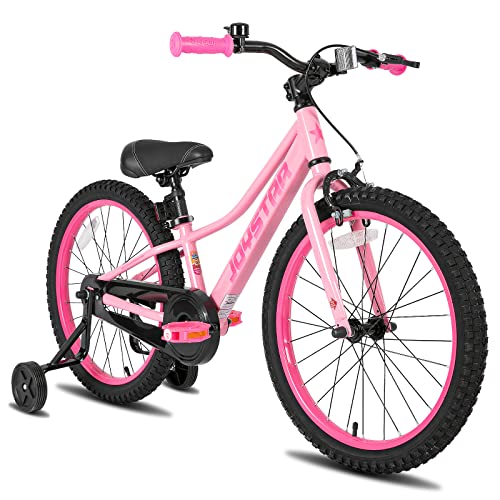
Designed for kids aged 6 to 12, this 20-inch wheel bike supports early riders as they learn balance and control. The frame uses a sturdy Hi-Ten steel construction that withstands the bumps of neighborhood rides and park paths. Traction comes from 2.4-inch-wide tires that grip wet and dry surfaces, helping new riders feel confident on sidewalks and smoother park trails. Braking is enhanced by a rear coaster brake and a front caliper brake, delivering balanced stopping power that aligns with a child’s developing strength. Training wheels provide initial stability, while a low stand-over height supports easy mounting and dismounting.
Safety and comfort features extend to a comfortable saddle and kid-friendly pedals. The bike’s geometry is tuned for a short reach to the handlebars, reducing overextension as children practice steering and braking. The design emphasizes stability without sacrificing fun, making it a practical option for families who want a reliable transitional bike. The 20-inch wheel size is a common fit for growing riders who may outgrow smaller bikes within a season or two, yet still require training wheels for balance confidence during the learning process.
Aceger BMX Style 20-Inch Training Bike

With a BMX-inspired aesthetic, this 20-inch bike is positioned for children from 2 to 10 years old, offering a stylish, sporty look that can help boost a child’s enthusiasm for riding. The frame is built for durability, designed to withstand the repeated bumps that come with learning to ride. Braking combines a front V-brake with a coaster brake, providing predictable stopping power for young riders who are still mastering both hands-on braking and pedal braking. Non-slip pedals and a comfortable PU saddle contribute to steady balance and a confident ride, while the model’s multiple size options accommodate growing children as they gain balance and control.
Included features such as training wheels, a kickstand, and color options contribute to user-friendly assembly and customization. The 20-inch wheel size suits a broad range of rider heights, and the bike’s design emphasizes safety through a stable geometry and reliable braking. This option is particularly suitable for families seeking a versatile bike that can transition from training wheels to independent riding with consistent braking and control.
Joystar Pluto 20 Inch Kids Bike With Training Wheels

This Pluto model targets children in the 7 to 10-year-old range and includes a training wheel setup, a basket, and a water bottle holder to encourage longer, more enjoyable rides. The quick-release seat makes height adjustments easier as a child grows, while the adjustable saddle and stem height support a comfortable pedaling position. With a sturdy steel frame and a low stand-over height, the bike is designed for easy mounting and balance practice. Braking is handled by a front hand brake and a rear coaster brake, providing reliable stopping capability for developing riders. A chain guard protects fingers and clothing, promoting safer exploration of speed and control.
The Pluto bike also features a decorative yet practical approach, including decals that children can personalize with accessories or stickers. Easy assembly, typically around 20 minutes, helps families get their child riding quickly. The combination of a stable geometry, dual braking, and training wheels makes this model a well-rounded option for 7- to 10-year-olds who are transitioning from training wheels to more independent steering and stopping.
XJD 20-Inch Girls Bike With Training Wheels

The XJD model offers a versatile 20-inch wheel size with an adaptable size range from 8 to 12 years, making it suitable for a broad spectrum of rider heights. It features a safety-focused design with a closed chain guard to prevent clothing from tangling in the chain, along with front hand caliper brakes and rear coaster brakes for powerful, predictable stopping. The bike includes a sturdy steel frame, non-slip pedals, and a wide training wheel setup that aids stability during the initial balance phase. A removable training wheel design allows easy transition as confidence grows, while a basket and bell add practical and playful touches for school commutes and park trips alike.
The XJD bike emphasizes safety and practicality, with adjustable seat and handlebar heights to accommodate growth. The integrated basket provides a convenient place for small items or toys, which can help motivate kids to ride more often. With a focus on easy assembly and durable components, this model is a strong option for families prioritizing long-term usability and balanced braking for young riders.
Joystar 20 Inch Girls Bike With Training Wheels, Banana Seat

This banana-seat variant focuses on a classic, eye-catching design that appeals to some riders seeking a fun, retro look while maintaining kid-friendly features. The bike is sized for ages 7 to 12 and uses a single-speed drivetrain for straightforward operation, which can help younger riders focus on steering and balance. Braking combines a front hand brake with a rear coaster brake, providing reliable stopping power with minimal complexity for beginners. The secure chain guard protects little fingers, while removable training wheels support early balance practice. The bike’s ride height and weight distribution are designed to feel stable and approachable on sidewalks and park paths.
In addition to the practical safety features, the banana seat and high-rise handlebars offer a distinctive riding posture that some children prefer for comfort and style. The inclusion of a kickstand helps with park stops, chores after rides, and easy storage when not in use. This model provides a playful, confident option for young riders who respond well to a bold aesthetic combined with dependable safety features and training-wheel support.
Buying Guide: How To Choose The Right Training-Wheel Bike For A 10-Year-Old
- Size And Growth: A 20-inch wheel generally fits riders around 44 to 56 inches tall, typically ages 6 to 12. Check inseam measurements and allow for seat height adjustability so your child can pedal efficiently as they grow. Look for bikes with adjustable seat posts and handlebar heights to maximize comfort.
- Braking System: Dual braking, combining a front hand brake with a rear coaster brake, provides a familiar stopping experience while allowing a safety backup as kids learn to modulate braking. Ensure the hand brake reach is suitable for small hands and that the bike’s geometry supports easy, controlled deceleration.
- Training Wheels Design: Stable, well-attached training wheels with adjustable height help maintain balance without tipping. Removable training wheels offer a clear path to independent riding once balance and control are established. Verify the wheel setup is sturdy and easy to remove if needed.
- Frame And Materials: Durability matters for daily riding on sidewalks, parks, and rougher paths. Steel frames are common and sturdy, though some models may offer alloy accents for lighter weight. Heavier bikes can be more stable at low speeds but require more effort to maneuver.
- Safety Features: Chain guards protect clothing and fingers, and spoke guards can prevent loops or tangling. Wide, grippy tires improve traction in different weather conditions. A low stand-over height helps kids mount and dismount confidently and reduces the risk of falls during stance changes.
- Accessories And Customization: Baskets, bells, decals, water bottle holders, and banana seats can boost enjoyment and encourage longer practice sessions. Consider whether these extras align with your child’s interests and ride environment.
- Assembly And Maintenance: Look for bikes that arrive with most parts pre-assembled and include basic tools for assembly. A simpler drivetrain (single-speed) generally needs less maintenance, which is ideal for younger riders just learning to ride.
- Ride Environment: For urban neighborhoods and parks, a bike with balanced braking, comfortable seating, and stable geometry helps kids ride confidently. For more adventurous routes, consider models with reinforced frames and reliable tires designed for varied surfaces.
- Weight And Handling: Lighter bikes are easier for children to handle during mounting and steering. However, some weight can add stability at slower speeds and during braking, so balance weight with durability expectations.
- Safety First: Always supervise initial riding sessions and practice in level, open spaces. Ensure a proper helmet, knee and elbow pads, and bright, visible clothing to maximize safety during training wheels and early riding milestones.
Choosing a 20-inch bike with training wheels involves assessing how the bike fits your child’s height, comfort, and confidence level. The five models featured above provide a range of styles—from girl-oriented designs with baskets and banana seats to BMX-inspired frames and practical accessory options. Regardless of style, the core considerations remain the same: seat height adjustability, reliable braking, sturdy construction, and a safe, stable learning environment. By matching features to your child’s needs and riding goals, you can select a bike that supports steady progress from training wheels to independent riding.