Choosing the right starter bike helps kids learn balance, pedaling, and safe braking with confidence. For parents shopping for boys’ bikes, size, weight, braking options, and grow-with-you design matter as much as color and style. The five bikes featured here were selected for a range of ages and riding stages—from tiny, beginner-friendly 12-inch wheels to larger 16-inch models that accommodate growing kids. Each entry highlights practical features drawn from the official product descriptions, focusing on safety, ease of use, and durability. Use the quick-access product table below to compare wheel sizes, age ranges, and key capabilities at a glance.
| Product | Wheel Size | Best For Ages |
|---|---|---|
| BODIOO 12 Inch Kids Bike | 12″ | 2-5 yrs |
| WEIZE Kids Bike (14/16/20″) | 14″ / 16″ / 20″ | 3-12 yrs |
| RoyalBaby Freestyle 16″ BMX Bike | 16″ | 4-7 yrs |
| JOYSTAR 16″ Kids Bike | 16″ | 4-7 yrs |
| KRIDDO 12″ Balance Bike | 12″ | 2-5 yrs |
BODIOO 12 Inch Kids Bike Review

The BODIOO 12 Inch Kids Bike is designed for early riders who are transitioning from balance activities to pedal cycling. It features a sturdy frame and a quick-assembly design that suits busy parents. The bike offers a removable training wheel setup to help children practice balance while adding stability as they learn to pedal. Braking is versatile, combining a hand brake with front and rear braking options, including a rear coaster brake for dependable stopping power with minimal effort. The saddle height is adjustable from 17″ to 22″, allowing the bike to grow with your child. The package includes a simple assembly guide and basic tools.
Key safety and comfort touches include child-specific brake levers with short travel for easier stopping, narrower pedal positions, and smaller grips that fit little hands. A saddle holder assists parents when helping a child mount or dismount, which can reduce fatigue during practice sessions. The design prioritizes a comfortable riding posture and manageable weight, helping new riders gain confidence on real pedals. While it caters to younger kids, the bike’s featured components—training wheels, dual braking modes, and adjustable seating—support growth through early childhood riding milestones.
WEIZE Kids Bike Review (14″/16″/20″)

The WEIZE line covers multiple wheel sizes—14″, 16″, and 20″—to accommodate a wide age span from preschool to early tweens. The 20″ version is suitable for kids roughly 6 to 12 years old, with height recommendations aligning to rider inseams rather than only age. WEIZE bikes are engineered with kid-friendly ergonomics: smaller grips, a lighter frame for easier handling, and a combination braking setup that includes a hand brake and a coaster brake. An enclosed chain guard adds a layer of safety by helping prevent clothing or fingertips from catching in the chain, while a simpler pedal system supports beginner riders learning balance and coordination. The bikes emphasize practical control and growth, encouraging kids to move toward more advanced rides as they mature.
RoyalBaby Freestyle 16″ BMX Bike Review

RoyalBaby’s Freestyle 16″ bike is BMX-inspired and aimed at kids who want a sporty look and feel. The bike emphasizes a robust steel frame and 2.4″ wide tires that provide stability on a variety of surfaces. It comes with training wheels in appropriate sizes and a fully adjustable seat and handlebar setup to grow with your child. The braking system emphasizes quick and efficient stopping, with a short travel distance lever designed for smaller hands, helping new riders gain confidence in braking. A BPA-free water bottle and other growth-friendly features add value for families seeking a playful yet practical first-bike experience.
Durability and ride quality are supported by sealed bearings to reduce pedal friction and maintain smooth motion as kids advance from balance to full pedaling. The overall package blends safety with BMX-inspired aesthetics, catering to kids who want a bold, confident ride while parents appreciate reliable components and a build designed to withstand learning curves. Proper assembly and regular maintenance will help preserve performance as kids gain speed and balance over time.
JOYSTAR 16 Inch Kids Bike Review

The JOYSTAR 16″ bike is tailored for children aged roughly 4 to 7 years and includes stable training wheels to help new riders maintain balance as they learn pedals. A quick-release seat makes height adjustments straightforward as children grow, reducing the effort needed from parents during frequent height changes. The bike uses a simple, single-speed drivetrain and a protective chain guard, which helps prevent clothing or fingers from catching the chain. A DIY decal option lets kids personalize their bike, which can encourage pride and responsibility in ownership. The frame is designed for durability, with a focus on safety and easy maintenance for families navigating early riding stages.
Braking is designed with small hands in mind, and the combination of sturdy construction and modest weight supports easier handling for younger riders who are building confidence. The included training wheels assist with balance, while the overall geometry emphasizes stable steering and predictable stopping—critical factors for kids just starting to ride on their own.
KRIDDO 12 Inch Balance Bike Review
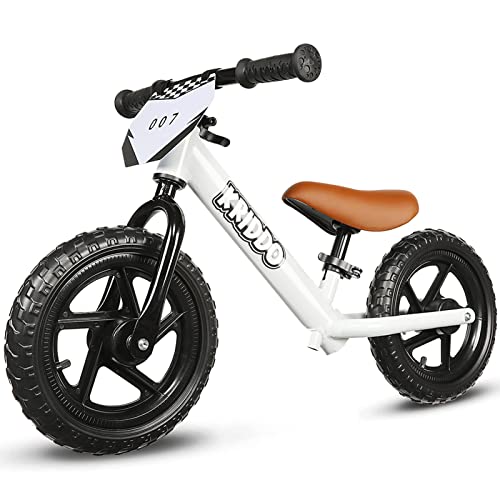
The KRIDDO balance bike is designed for toddlers and preschoolers aged roughly 2 to 5 years who are learning balance before pedaling. This 12″ model emphasizes a sturdy carbon-steel frame and soft, kid-friendly details like a wide, supportive seat and rubberized grips. A removable customizable plate invites kids to decorate their ride, fostering ownership and creativity as they practice balancing on two wheels without pedals. The bike includes a lightweight design to minimize fatigue and a durable chain guard for added protection during early riding experimentation. With a maximum rider weight suitable for its class, it supports steady progress as confidence builds.
Buying Guide
Choosing the right kids’ bike depends on the rider’s stage, growth rate, and safety priorities. The following considerations help distinguish between the best-fit options across the five picks above and similar models:
Size And Fit
Wheel size is the most obvious signal of readiness. Younger riders typically start with 12″ bikes or balance bikes to master balance before pedaling. As children grow, switching to 16″ wheels or larger enables longer rides and better handling. Always verify that the child can touch the ground with their feet when seated, and ensure the saddle and handlebars can be adjusted to maintain a comfortable riding posture. Some bikes offer adjustable seat heights from exceptionally low to well over typical early-child ranges, which is beneficial for growing riders.
Braking System
Beginner bikes often combine hand brakes with coaster brakes for a gradual learning curve. Hand brakes give kids control over stopping distance, while coaster brakes help when less finger strength is available. For very young riders, a responsive brake lever with short travel distance is essential. Look for bikes that allow parents to add or remove braking modes as the child’s strength and confidence progress.
Training Wheels Or Balance Phase
Balance-only bikes (no pedals) teach balance and steering fundamentals before pedaling. Training wheels provide extra stability during the pedal-learning phase. Some models include both options or easy transitions between modes, which is advantageous for families planning to grow with the bike as the child learns balance and eventually pedals confidently.
Durability And Weight
Kids bikes should be lightweight enough for children to handle while remaining durable enough to withstand frequent use and minor crashes. Steel frames are common for affordability and strength, while aluminum frames offer a lighter option at a higher price. Check wheel components and bearings for signs of wear and ensure that key parts—brakes, chains, and pedals—are straightforward to service.
Adjustability And Growth
Adjustable seat posts and handlebars extend the usable life of a bike by accommodating rapid growth. Quick-release mechanisms simplify height changes, reducing downtime and frustration. Some bikes include features like adjustable saddles, seat holders for parent assistance, and removable training wheels, all of which help stretch a single bike across several ages and stages.
Safety Features And Accessories
From chain guards to protective decals and sturdy frames, safety features should be prioritized. A chain guard reduces clothing entanglement, while protective components like grippy handlebar surfaces and stable kickstands help prevent tip-overs on uneven surfaces. Accessories such as helmets, knee pads, and bright colors also improve visibility and safety for young riders.
Value, Warranty, And Availability
Consider the long-term value: can the bike grow with the child, and does it come with a warranty or service support from the manufacturer? Check whether spare parts are readily available and whether local bike shops can service the model. While price is a factor, the most economical choice may not always be the safest or easiest to grow with, so weigh performance against cost and future adaptiveness.
Quick Comparisons Across The Top Picks
- BODIOO 12″ is ideal for the youngest riders, offering training wheels and combined braking for a gentle introduction to stopping and balance.
- WEIZE 14″/16″/20″ models provide breadth, with a chain guard and a blend of hand and coaster brakes for various skill levels and growth stages.
- RoyalBaby Freestyle emphasizes a sporty BMX-inspired look with adjustable seating and handlebars, plus reliable braking and bearings for smoother pedaling as kids advance.
- JOYSTAR 16″ focuses on ease of adjustment and safety features like a chain guard and training wheels, along with customization through decals to boost kid interest.
- KRIDDO Balance Bike offers a pedal-free entry that bolsters balance and confidence early on, with a customizable plate and durable build suited for toddlers.
In summary, the best choice depends on where your child is in the learning curve. If balance is the immediate goal, a balance bike like KRIDDO can be a strong start. If you want a gradual transition to pedaling with a stable learning environment, a 12″ or 16″ bike with training wheels (such as BODIOO or JOYSTAR) can be more practical. For longer-term growth, WEIZE’s multi-size approach covers a wide age range, and RoyalBaby’s sporty design may appeal to kids seeking a more active aesthetic. Whichever option you choose, prioritize fit, safety features, and the bike’s ability to adapt as your child grows.