Choosing the right helmet for a two-year-old means balancing safety, fit, and comfort. The best helmets for age 2 should protect while remaining light, well-ventilated, and easy to adjust as a child grows. This guide highlights five top-rated toddler bike helmets that meet American safety standards and accommodate active little riders across indoor and outdoor activities such as cycling, scootering, and skateboarding. Each option prioritizes impact resistance, secure fit, and kid-friendly comfort to help parents make an informed choice.
| Product | Brand | Age Range | |
|---|---|---|---|
| Lemmeko Toddler Helmet | Lemmeko | 1-8 years | 11 vents and adjustable back knob |
| OUWOER Multi-Sport Kids Helmet | OUWOER | 2-14+ years (3 sizes) | Three sizes with 11 vents |
| BURSUN Kids Bike Helmet | BURSUN | 3-8 years | ABS shell, EPS foam, adjustable dial |
| Schwinn Classic Kids Bike Helmet | Schwinn | 1-3 years | 360-degree dial fit, lightweight, visor |
| FunFitX Kids Bike Helmet | FunFitX | 2-8 years | XS and S sizes, 11 vents, dual safety standards |
Lemmeko Toddler Helmet For Ages 1-8

The Lemmeko toddler helmet provides strong head protection with a hard PC outer shell and EPS foam inner padding. Designed for children from about age 1 up to 8, it supports both indoor and outdoor activities, including cycling, skating, and scootering. Eleven vents help regulate temperature and reduce sweating during active play, while the soft padding remains comfortable and breathable for long wear.
Adjustment is simple with a rear stabilization knob and an adjustable chin strap that accommodates head circumferences roughly 18.9 to 21.7 inches (48 to 55 cm). Removable inner padding makes cleaning easy, helping keep kids fresh after adventures. This combination of protection, adjustability, and comfort makes it a versatile option for growing toddlers and younger kids alike.
OUWOER Multi-Sport Kids Helmet (Three Sizes)
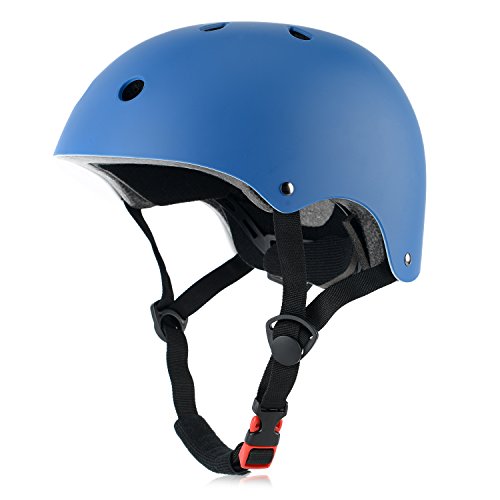
This helmet from OUWOER is a multi-sport option that grows with a child from toddler to youth. Available in three sizes, it uses an ABS shell with high-quality EPS foam to absorb impacts and maintain structural integrity during rough play. It complies with the U.S. safety standard for bicycle helmets for persons age 5 and older, making it a prudent choice for slightly older siblings or longer-term use as kids transition to bikes, scooters, or skateboards.
Ventilation is a key feature here, with 11 top and side vents designed to keep heads cool during active sessions. An adjustable system and strap ensure a secure, comfortable fit as a child’s head grows, helping prevent slippage during vigorous activity while maintaining comfort throughout the ride.
BURSUN Kids Bike Helmet For Ages 2-8

BURSUN’s helmet is designed for multi-sport use, suitable for kids aged roughly 3-8. It uses a durable ABS shell with shock-absorbing EPS foam and features 11 cooling vents to help manage heat during play. The helmet is sized to 18.9-21.3 inches (48-54 cm) and includes an adjustable dial and strap system to achieve a secure fit as your child grows and shifts activities between biking, skating, and scooters.
Build quality emphasizes protection for the head and face, with a multi-protection design that prioritizes safety during crashes or bumps. The ventilation network keeps younger riders comfortable, encouraging longer, more enjoyable outdoor play without overheating.
Schwinn Classic Kids Bike Helmet

Schwinn’s classic helmet blends an adorable purple polka-dot design with practical features for toddlers aged 1-3. With a 44-50 cm head circumference, it offers a snug fit through a 360-degree dial system and interior padding for comfort. The helmet is marketed as ultra-lightweight and includes multiple air vents to promote airflow, helping kids stay cool on warmer rides while the built-in visor provides sun protection for little eyes.
The lightweight construction and secure fit make it a favored option for first-time riders and younger children who are learning balance and coordination on bicycles, scooters, or small skateboards. The playful design supports visual appeal, which can aid in helmet acceptance during daily rides.
FunFitX Kids Bike Helmet (Ages 2-8)

FunFitX offers a versatile helmet with sizes XS and S to cover ages roughly 2-8. The shell is ABS with high-density EPS foam to deliver robust impact protection. Eleven vents provide airflow to keep toddlers comfortable during long rides or active play. The two available sizes accommodate growth from early toddlers through early elementary ages, making it a practical long-term option.
The helmet is designed to meet dual safety standards (CPSC and ASTM), emphasizing reliable protective performance across cycling, skateboarding, scooter riding, and other outdoor activities. It’s offered in kid-friendly colors to appeal to different preferences, aiding consistent wear during outdoor adventures.
Buying Guide
Key purchase considerations
- Fit and size across growth: Look for adjustable dials or back knobs and chin straps that can adapt as a child grows from toddler to early school age.
- Protection level and materials: Prioritize helmets with a hard outer shell (PC or ABS) and an impact-absorbing foam (EPS) for effective energy dispersion during impacts.
- Ventilation and comfort: A well-ventilated design reduces overheating and encourages longer, more frequent use during outdoor play.
- Safety certifications: Confirm compliance with safety standards such as CPSC and ASTM for age-appropriate use, especially for younger toddlers.
- Weight and accessibility: Lighter helmets reduce neck strain, making it easier for toddlers to wear them willingly.
Fit and sizing guidance
Most toddler helmets use adjustable dials at the back and adjustable chin straps. Aim for a snug fit without pressure points. Measure the child’s head circumference and compare to the helmet’s size range (usually roughly 18.5–21.5 inches or 47–55 cm for ages 2–5). If a helmet is slightly loose, tighten the dial or straps; if too tight, switch to a larger size if available.
Design, comfort, and daily wear
Beyond safety, design can influence willingness to wear a helmet. Bright colors, fun patterns, and familiar characters can boost acceptance. Removeable and washable pads improve hygiene, especially for active kids who sweat during rides or play in warm weather. A visor can reduce glare for outdoor use, but some kids prefer helmet designs without protruding visors.
Durability and value
Investing in a helmet with robust construction, multiple-vent design, and easy adjustability often pays off as your child grows. While price is a factor, prioritize models that provide a secure fit, stable protection across activities, and long-term usability through several growth stages.