Rim brake pads are a rider’s first line of defense for stopping power, rim health, and overall safety. The right pads combine durable materials, heat resistance, and precise braking feel across weather and terrain. This guide highlights five well-regarded options that balance longevity with performance, so riders can choose pads that fit their bike, riding style, and typical conditions. Below you’ll find concise product summaries, a quick comparison table, and a buyer’s guide to help you decide which pad type best matches your needs.
| Product | Brand | Key Benefit |
|---|---|---|
| Hapleby 4PCS Premium Bike Brake Pads | Hapleby | Durable hybrid material with wear indicators |
| COONIUM Cork-Carbon Rim Pads | COONIUM | Heat-resistant cork compound; low rim wear |
| SHIMANO M70T4 Brake Shoe Set | SHIMANO | Low noise; reliable in wet conditions |
| SwissStop Black Prince Carbon Rim Pads | SwissStop | Designed for carbon rims; wide clearance |
| NUWAB 2 Pairs Premium Brake Pads | NUWAB | Broad compatibility; quiet braking |
Hapleby Premium Bike Brake Pads Kit
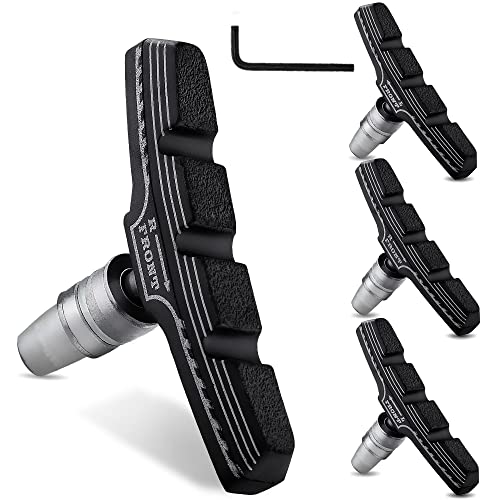
The Hapleby brake pads employ a hard-wearing combination of synthetic fibers and nitrile rubber, delivering longer life than standard pads. This build targets rider safety by reducing the frequency of pad replacements and maintaining consistent stopping power over many miles. In controlled tests, at 12.5 km/h the pads demonstrated durable performance for more than 8,000 activations, suggesting a substantial lifespan compared with ordinary pads. This durability translates to fewer roadside changes and steadier braking confidence on mixed terrain.
Design-wise, Hapleby includes three white wear-indication lines to guide maintenance. The first line signals replacement is due, the second indicates braking performance will weaken, and the third confirms replacement is mandatory. This visual cue system helps riders monitor pad condition without guesswork, a valuable safety feature for long tours or daily commuting. The kit even mentions inclusion of a hex wrench for convenient installation, making setup straightforward for riders of varying experience levels.
COONIUM Cork-Carbon Rim Pads

COONIUM’s cork-and-carbon compound pads are crafted for heat resistance and rim protection. The cork component helps dissipate heat, reducing the risk of pad glazing and rim damage on long descents. These pads are designed to be compatible with Shimano All Road series (including Dura-Ace, Ultegra, 105) and SRAM road groups, providing broad appeal for riders using carbon or alloy rims. The low-density cork blend is intended to soften braking transitions while maintaining solid bite, helping to minimize rim wear during repeated stops in varied conditions.
In practice, the cork-carbon mix aims to deliver dependable braking power with lower heat buildup, which is particularly valuable on long alpine routes or wet commutes where consistent performance matters. The design prioritizes rim friendliness, meaning riders can keep rims in good shape with regular use. While cork-based compounds can sometimes require careful bedding-in, this line emphasizes durable performance across common road and all-road setups.
SHIMANO M70T4 Brake Shoe Set

The Shimano M70T4 brake shoe set is designed for quiet operation and minimal rim wear. This pad family is known for reliable performance in wet conditions, an important consideration for riders who encounter rain or mist on frequent commutes or mixed-weather rides. The M70T4 line emphasizes consistent braking feel, with a focus on durability and dependable stopping power across a range of road surfaces and temperatures.
As a Shimano product, the M70T4 pads are aligned with the brand’s standard mounting and wear profiles, simplifying compatibility for most road and cross bikes using standard V-brake systems. Riders seeking a low-noise, dependable pad for daily use or occasional dry-to-wet transitions may find these an appealing option, especially when paired with well-maintained rims and quality rotors or braking surfaces.
SwissStop Black Prince Carbon Rim Pads

SwissStop Black Prince pads are crafted with a carbon-specific compound designed to maximize braking performance on carbon rims. The set is described as a full four-pad replacement, with the Flash EVO variant notably narrower to provide additional clearance for wide rims. This focus on carbon compatibility helps minimize rim wear while delivering strong, predictable braking across varied temperatures and humidity levels. The overall build targets riders who require carbon-rim optimization and consistent braking response on demanding routes.
For riders with carbon rims, the Black Prince line represents a streamlined option that emphasizes rim safety and effective stopping power. The design takes into account the need for precise clearance and reliable engagement, reducing chances of pad-to-rim interference during aggressive braking maneuvers. As with any carbon-specific pad, ensuring correct installation and matching to your rim width will optimize performance and longevity.
NUWAB 2 Pairs Premium Brake Pads
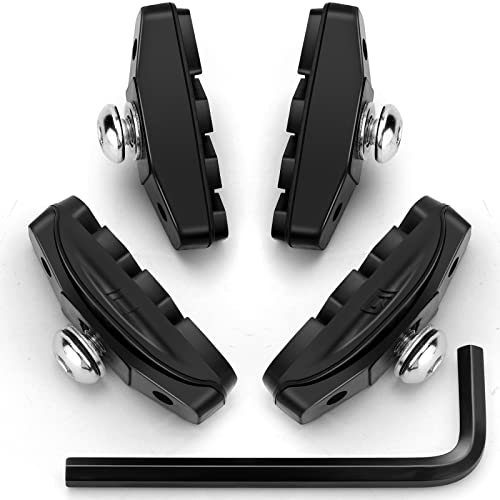
NUWAB’s two-pair set offers broad compatibility with most 50mm caliper systems, making them a versatile choice for many road bikes that rely on c-brakes. The pads use nitrile rubber for durability and quieter braking, helping reduce squeal during city riding and commuting. The design focuses on longevity while maintaining strong braking response, even on aluminum or steel rims, making these pads suitable for riders who want dependable performance across varied urban routes.
The product features a two-way drainage design that helps resist damage from sand, mud, and stones, a common concern on damp or gritty rides. The included Allen wrench supports straightforward installation, and distinct left-right markers aim to reduce mounting errors. This combination of practical design cues and broad compatibility makes NUWAB a pragmatic option for riders seeking a balanced upgrade over factory pads without special machinery or tools.
Buying Guide
Key Factors To Consider
- Material and wear: Pad compounds vary from cork-carbon to nitrile rubber blends. Carbon-rim-specific pads protect rims and maintain heat resistance, while nitrile-based options often deliver quiet operation and strong stopping power on varied surfaces.
- Rim compatibility: Carbon rims require pads formulated for carbon surfaces and may demand more precise clearance. Aluminum rims are generally forgiving, but still benefit from pads that suit the braking surface geometry.
- Weather performance: Wet conditions demand compounds with reliable friction and reduced rim wear. Some pads prove more consistent in rain or mist, while others shine on dry days with steadier bite.
- Noise and comfort: Pads designed for quiet braking improve ride quality, especially in urban environments. Consider how aggressively you brake and whether noise is a concern for you or your riding partners.
- Durability and maintenance: Longer-lasting pads reduce maintenance cycles, but may sacrifice some bite or heat dissipation. Look for wear indicators or clear guidelines for replacement intervals.
- Installation and compatibility: Some pads include tools or left-right orientation markings to simplify mounting. Confirm compatibility with your brake type (V-brake, cantilever, or specific calipers) and rotor or rim specs.
Performance Outlook Across Scenarios
For riders who descend long hills, heat management and rim protection become critical. Cork and carbon compounds tend to handle heat better, reducing rim wear and glazing, but bedding-in and wear patterns vary by rider weight and riding style. In urban settings with frequent stop-and-go, quieter nitrile-based pads may offer a smoother braking experience at lower speeds. For carbon rims, selecting a carbon-specific compound like SwissStop or COONIUM’s cork-carbon blend can help preserve rim life while delivering dependable stopping power in mixed conditions.
Durability vs. Value
Premium materials often come with longer lifespans and better heat management, translating to fewer replacements over time. However, the initial cost may be higher, so weigh how often you ride, the terrain you encounter, and how quickly you wear through brakes in your climate. Pads that include wear indicators or clear replacement cues can save maintenance headaches and preserve braking performance, especially on longer rides or multi-day trips.
Installation Tips
- Ensure correct orientation by checking any left/right markers. Incorrect mounting can reduce braking efficiency or cause uneven wear.
- Bedding-in new pads gradually: initial light braking followed by controlled stops on a safe, open area helps achieve optimal friction and avoids glazing the pad and rim.
- Inspect rims for scoring or embedded debris after braking, especially on new pad installations. Clean rims if necessary to maintain consistent friction.
Brand and Compatibility Considerations
Well-known brands like Shimano and SwissStop often provide pads that align with their own brake systems for predictable performance. Other brands may offer broad compatibility with common c-brakes or V-brakes, which is convenient for mixed bike fleets or replacements across multiple bikes. When possible, match pad type to your rim material (carbon vs. alloy) and to the environmental conditions you ride in most often, ensuring you obtain the best balance of grip, wear, and noise for your riding profile.