When selecting a bike for a child with autism, stability, predictable braking, and gradual skill building are key. The five options below provide supportive features like training wheels, balance-to-pedal conversions, low standover heights, and protective chain guards to reduce risk during learning. This guide highlights practical choices for a range of ages and abilities, focusing on safety, adjustability, and ease of use to support steady progress.
| Product | Brand | Age Range | Key Benefit |
|---|---|---|---|
| JOYSTAR 12 Inch Kids Bike With Training Wheels | JOYSTAR | 2-4 years | Stable training wheels and adjustable seat |
| Schwinn Elm And Koen Bike For Kids | Schwinn | 2-13 years | Growth with child; balance or training wheels option |
| WEIZE 20 Inch Kids Bike | WEIZE | 6-12 years | Coaster brake and protective chain guard |
| Schwinn Elm Bike 20 Inch | Schwinn | 7-13 years | SmartStart design and easy braking transition |
| OHIIK Balance Bike 2 In 1 | OHIIK | 2-7 years | 2-in-1 balance-to-pedal conversion |
JOYSTAR 12 Inch Kids Bike With Training Wheels

The JOYSTAR 12 Inch bike is designed for early riders, featuring stable training wheels that help children with balance as they learn. A quick-release seat makes height adjustments simple, and a saddle with a holder allows a youngster to practice sitting and gliding even when the training wheels are still on. The bike uses a durable steel frame with a single gear and a foot brake, which many young riders can operate more easily than hand brakes. A chain guard and DIY decal kit add safety and personalization.
For autistic children who benefit from predictable, simple controls, this model offers a straightforward learning curve. The combination of low maintenance design and a stable stance promotes confidence during initial rides, while the removeable decal option lets kids personalize their bike without compromising safety. The design emphasizes ease of use, minimal maintenance, and durable construction to withstand frequent practice sessions.
Schwinn Elm And Koen Bike For Kids

This Schwinn model comes in a 12-20 inch wheel range, making it suitable as a first bike for kids 30″ to 54″ tall. It supports either training wheels or a balance-bike setup, depending on the child’s progress. The simple, single-speed drivetrain helps kids focus on balance and steering without overwhelmed gearing. The seat is adjustable without tools, enabling quick growth with the child as confidence builds and skills improve over time.
The design emphasizes easy, confident riding and smooth transitions from training wheels to full-size riding. The bike’s ergonomic geometry, combined with a secure frame, provides stability during early attempts at pedaling and steering. Parents can choose the setup that best matches their child’s pace, helping to reduce anxiety around new experiences on two wheels.
WEIZE 20 Inch Kids Bike

The WEIZE 20 inch bike is tailored to riders aged 6-12, with height guidance of 48″ to 60″. It is designed for beginners with a coaster brake, which some children find easier to operate than hand brakes. The enclosed chain guard reduces the risk of clothing or fingers getting caught, and the overall lightweight yet durable frame supports steady practice sessions. The bike’s geometry and sizing encourage confident starts and safer stopping as skills develop.
For caregivers seeking simplicity and reliability, WEIZE offers a straightforward, low-maintenance experience. The combination of a safety-focused chain guard and a planned braking system aligns with rewarding practice time and reduced supervision needs during early rides. It is well-suited for younger riders who are just starting to learn independence on two wheels.
Schwinn Elm Bike 20 Inch
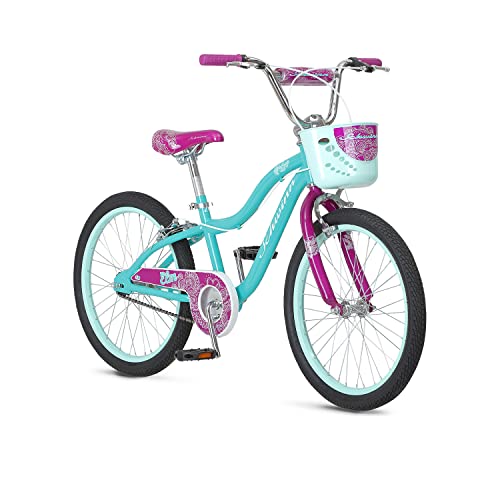
Schwinn Elm combines SmartStart technology with forward-positioned pedals and a low standover height to aid early riders in balancing, starting, and stopping. The 20-inch wheel size is ideal for kids who are transitioning from smaller bikes, and the combination of a recessed chain and smaller grips helps minimize distractions during learning. Its braking framework includes a coaster brake with an added hand brake to ease the move to a larger bike later on.
The bike’s design emphasizes a straightforward ride, reducing intense sensory feedback and making it easier for children to focus on balance and coordination. The adjustable seat supports growth, and Schwinn’s reputation for quality ensures a stable, long-lasting option for families seeking a dependable learning bike that can accompany a child through multiple stages of development.
OHIIK Balance Bike 2 In 1

OHIIK offers a 2-in-1 design that quickly converts between a balance bike and a pedal bike. The frame is constructed from high-carbon steel for durability, and the bike features a safety-oriented rear brake and wider pneumatic tires for stability on uneven surfaces. An adjustable seat and handlebar allow the bike to grow with the child, and the tool-free adjustment makes quick changes during growth spurts practical for busy families.
The balance-first approach is often advantageous for children who benefit from developing balance and coordination before pedaling. The conversion option supports progression as the child becomes more confident, potentially reducing anxiety when progressing to a traditional pedal bike. The design emphasizes safety, simplicity, and adaptability to individual learning paces.
Buying Guide: Key Purchase Considerations
Choosing the right bike for a child on the autism spectrum involves balancing safety, growth potential, and ease of use. Here are core considerations to guide a thoughtful selection:
- Size and fit: Wheel size should match the child’s height and inseam. Look for low standover heights and adjustable seats to allow rapid, comfortable position changes as the child grows.
- Braking system: Coaster brakes are easier for beginners to learn, while hand brakes offer precise control. For younger riders, a bike with a safe, simple braking option reduces stress during learning.
- Stability vs. progress: Training wheels provide initial stability, while balance bikes encourage early balance development. A 2-in-1 design can support a child’s progression without needing a new bike later.
- Safety and durability: A sturdy steel frame, secure chain guard, and protective components help prevent injuries during enthusiastic practice. Look for reinforced forks and reliable steering.
- Adjustability: Tool-free adjustments save time and enable rapid response to a child’s changing size and comfort level. This is especially important for kids who grow quickly or require sensory accommodation.
- Weight and maneuverability: Lighter bikes are easier to handle and reduce fatigue during longer practice sessions. Consider the child’s strength and confidence level when evaluating weight.
- Progression path: If the goal is to transition to a larger bike, choose models with easy height adjustments and a design that supports gradual difficulty increases (for example, from training wheels to balance to pedals).
- Safety gear and environment: A certified helmet, knee pads, and elbow pads are essential. Ensure a safe space for practice, with smooth surfaces and minimal traffic.
- Maintenance: Favor bikes with simple maintenance, durable components, and low repair needs. A durable chain guard reduces clothing snags and injuries.
- Personal preferences and sensory needs: Some children benefit from quieter gears, smooth brakes, and bold colors with minimal noise. Consider color and texture preferences to encourage enthusiastic riding without overstimulation.
In summary, prioritize size-appropriate options that offer a gentle path to independence: start with stability and safety, then choose bikes that can grow with the child. A convertible 2-in-1 setup can be particularly advantageous, reducing the number of bikes a family must manage while supporting a steady progression toward independent riding.