Choosing the right first bicycle for a 3-year-old combines safety with progressive skill-building. The best options blend balance, steering, and pedal-ready features so children can grow with confidence. This guide highlights five standout picks that span traditional balance bikes with pedal-ready hybrids, plus practical accessories like adjustable seats and customizable plates. Each model supports early independence while prioritizing durability and ease of use for American families navigating parks, sidewalks, and backyards.
| Product | Brand | Age Range | Pedal Feature |
|---|---|---|---|
| Little Tikes My First Balance-to-Pedal Training Bike | Little Tikes | 2-5 years | Pedals fold in/out; balance to pedal transition |
| YGJT 3 in 1 Tricycle for Toddlers | YGJT | 2-5 years | Detachable Pedal; three modes including pedal and pedal-free |
| KRIDDO 2-in-1 Kids Tricycle and Toddler Balance Bike | KRIDDO | 18 months – 3 years | Pedals stowable/detachable; dual-mode design |
| KRIDDO Toddler Balance Bike White | KRIDDO | 24 months – 5 years | No pedals; balance-focused |
| SEREED White Balance Bike | SEREED | 2-5 years | No pedals; sturdy balance bike |
Little Tikes My First Balance-to-Pedal Training Bike
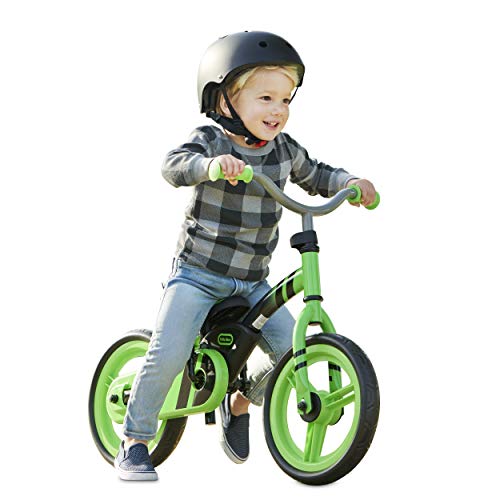
The Little Tikes model blends balance-ready design with a pedal mode, enabling a smooth evolution from balance to pedaling. It uses a single-gear setup and pedals that fold in and out, allowing quick transitions between modes. Assembly is straightforward and requires minimal tools, appealing to busy families seeking quick setup for outdoor play. The bike supports early independence by helping children learn steering and balance before committing to a full pedal bike. The design emphasizes parent-friendly adjustments and a stable ride, which is ideal for curious 3-year-olds taking their first steps into bicycling.
- Pedals fold in and out for seamless mode switching
- Easy transformation between Balance Mode and Pedal Mode
- Simple assembly with minimal tools
- Durable construction designed for early riders
YGJT 3 in 1 Tricycle for Toddlers
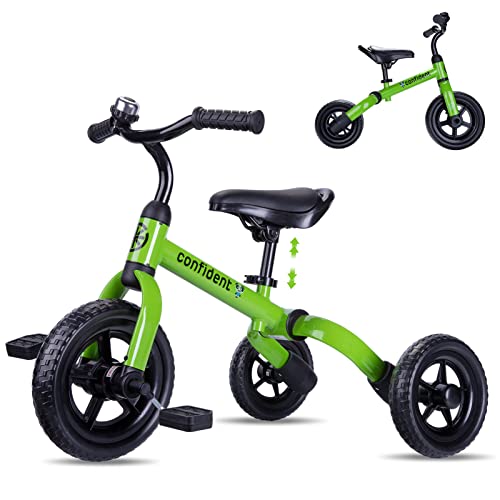
The YGJT model offers a versatile, three-mode design that grows with a child from early balance to pedal riding. It provides a pedal-free balance bike mode, a two-wheel balance-and-pedal transition, and a pedal-tricycle configuration for older toddlers. The seat is adjustable, and the detachable pedals allow parents to disable or re-enable pedaling as needed. A foldable framework enhances outdoor portability and storage, while a durable carbon-steel frame and EVA wheels ensure a comfortable ride across common outdoor surfaces. This is a practical all-in-one solution for families easing into independent riding.
- Three modes: pedal-free balance, two-wheel balance with pedals, and pedal tricycle
- Detachable pedals for flexible use
- Foldable design for easy transport
- Non-slip handlebar and adjustable seat for growing children
KRIDDO 2-in-1 Kids Tricycle and Toddler Balance Bike

KRIDDO’s 2-in-1 design blends a stable tricycle with a balance-bike transition path. The built-in pedal mount allows easy switching to pedal mode, while pedals can be stored or detached, reducing clutter and loss risk. Training wheels are stowable, giving parents control over when a child develops balance without the rigidity of a fixed bike. This design makes the bike suitable for progression from confident balancing to coordinated pedaling, supporting growth from infancy into early childhood riding skills.
- Versatile 2-in-1 mode: trike and balance bike
- Pedals store or detach for easy transition
- Stowable training wheels for gradual learning
- Integrated pedal mount and robust frame
KRIDDO Toddler Balance Bike White

This KRIDDO balance bike emphasizes a sturdy, kid-friendly build with a wide carbon-steel frame and soft seating to ensure comfort during learning. The design supports up to 110 lbs, with an adjustable seat range and handlebar height to grow with a child from early toddlers to older preschoolers. The no-pedal setup targets balance and steering mastery, helping children gain confidence before introducing pedals. Parents appreciate the straightforward adjustments and the durable construction that withstands typical outdoor adventures.
- Sturdy carbon-steel frame; weight support up to 110 lbs
- Tool-free seat and handlebar height adjustments
- Soft PU saddle and grip handlebars for comfort
- No pedals; emphasis on balance and steering
SEREED White Balance Bike

The SEREED balance bike focuses on safety and long-term durability with a wide carbon-steel frame and a weight tolerance up to 110 lbs. It features an adjustable seat height from 11.8 to 16.5 inches and handlebar height from 19.6 to 22.5 inches, enabling a precise fit as a child grows. The no-pedal design encourages balance, steering, and confidence-building while the customizable plate and stickers offer a personalized touch. Soft grips and a gentle saddle enhance comfort during extended sessions, promoting a positive early riding experience.
- Adjustable seat and handlebar heights for growth
- Sturdy carbon-steel frame up to 110 lbs
- No pedals; balance-focused development
- Customizable plate with stickers for personalization
Buying Guide: Key Purchase Considerations For A 3-Year-Old’s Pedal Bike
Selecting the right bike for a 3-year-old balances safety, growth potential, and everyday practicality. Here are critical factors to weigh when evaluating options:
Learning Path And Pedal Readiness
Balance-first bikes help children learn steering and balance before pedaling, reducing falls and boosting confidence. Hybrid models that convert to pedal mode provide a natural progression, enabling a child to ride with pedals once balance is secure. For families seeking flexibility, prioritize models with detachable or stowable pedals and clear transition guidance in the product description.
Adjustability And Comfort
A good junior bike grows with a child. Look for adjustable seat heights, handlebar positions, and reach. A comfortable saddle and grippy handlebars reduce slipping and discomfort during longer sessions. Some models offer tool-free adjustments, which makes frequent height changes quick and painless for parents and kids alike.
Durability And Weight Capacity
Young riders’ bikes endure repeated drops and rough ground. Steel frames are common for durability, but ensure the frame is not overly heavy for a preschooler. Weight capacity should comfortably exceed the child’s current weight plus expected growth. Check wheel quality and tire type—air-filled tires absorb shocks better on uneven surfaces, while sealed bearings reduce maintenance.
Pedals, Storage, And Modularity
Models with detachable pedals or pedal-storage solutions minimize misplacement and make the transition to pedal mode more straightforward. Training wheels or stowable training gear can provide extra stability during the learning curve. Consider whether you want a 2-in-1 or 3-in-1 setup to maximize the bike’s usefulness over several years.
Size, Weight, And Portability
For travel and storage, a lightweight, compact bicycle is beneficial. Foldable or easily dissembled designs help when fitting a bike into a car trunk or apartment hallway. Always verify the intended age range and ensure the size aligns with your child’s height and inseam for optimal control and balance.
Safety Features And Brand Support
Look for non-slip grips, a wide, sturdy frame, and smooth edges. Soft seats reduce pressure on sensitive areas, and a stable footrest can prevent slips during transitions. Reputable brands often provide clear assembly instructions and responsive customer support for parts and warranties, which is invaluable for new riders.
Price Versus Value
While prices vary, focus on the bike’s long-term value. A more versatile model that grows with your child can be a better investment than a single-purpose option. Compare features across models—such as pedal readiness, adjustability, and replacement-part availability—to determine overall value for your family.
Comparative Quick Reference
| Feature Priority | Best For | Examples From This Guide |
|---|---|---|
| Pedal Readiness | Kids ready to pedal soon | Little Tikes, YGJT |
| Growth With Child | Adjustable, multi-mode | KRIDDO 2-in-1, KRIDDO Balance Bike |
| Portability | Compact storage and travel | YGJT foldable design |
In summary, the best pedal bike for a 3-year-old blends a gentle learning curve with room to grow. If you want a bike that progresses from balance to pedaling, prioritize models with detachable pedals, adjustable components, and durable frames. For families prioritizing straightforward balance before pedaling, choose a robust balance bike with comfortable fit and long-term adjustability. This approach supports safe, confident riding while accommodating a child’s evolving abilities over multiple seasons.