Flat or straight handlebars on road bikes offer a balanced, upright riding position, quick steering, and a versatile platform for commuting, endurance rides, and casual road sessions. This guide highlights top flat-bar options that align with road bike geometry, focusing on aluminum and carbon models, clamp sizes, widths, and build quality. We compare performance, weight, and installation considerations to help cyclists choose a handlebar that improves control without sacrificing comfort.
Below is a quick overview of five flat-bar options that fit road bikes, spanning aluminum and carbon constructions. Each model emphasizes durability, ease of installation, and compatibility with common road and mountain-bike frames. Use the Buying Guide to weigh material, width, and clamp diameter against your riding goals and bike fit.
| Product | Brand | Type | Length | Notes |
|---|---|---|---|---|
| UPANBIKE Aluminum Flat Bar | UPANBIKE | Flat Bar | 600mm | Aluminum alloy; matte black; ends diameter 22.2mm; clamp diameter 25.4mm |
| RXL SL Carbon Road Handlebar | RXL SL | Carbon Drop Bar | 400mm | Carbon fiber; 31.8mm; weight 200-255g; UD Matte; internal routing |
| UPANBIKE Aluminum Flat Bar Deluxe | UPANBIKE | Flat Bar | 620mm | Aluminum alloy; matte black; 31.8mm clamp; ends diameter 22.2mm |
| Generic Aluminum Flat Bar | Generic | Flat Bar | 540mm | Aluminum alloy; easy installation; comfortable grip |
| Carbon Road Aero Bar | RXL SL | Aero Bar | 400mm | Carbon; 31.8mm; 400/420/440mm widths; 127mm drop; 104mm reach; UD Matte |
UPANBIKE Aluminum Flat Bar
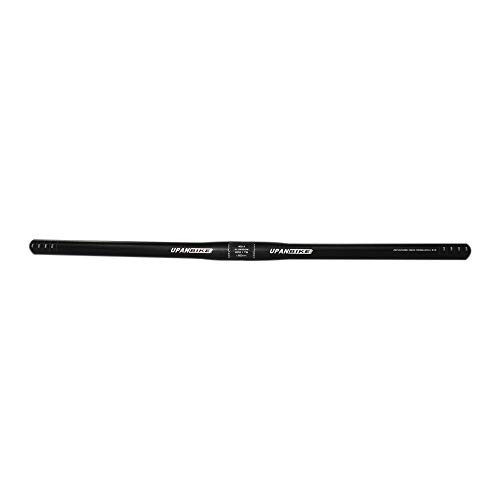
Material and design details emphasize a straightforward flat-bar configuration. The handlebar is made from aluminum alloy with a matte black finish, designed for unintrusive aesthetics and reliable durability. The bar ends have a diameter of 22.2mm, while the bore clamp diameter is 25.4mm, and the overall length is 600mm. This setup suits riders seeking a simple, sturdy flat-bar option that fits most standard stems and offers comfortable grip and control on a variety of road surfaces. Installation considerations include verifying stem compatibility and ensuring the clamp matches your existing setup.
The flat-bar geometry promotes a neutral riding position that can reduce shoulder fatigue on longer rides and city commutes. For riders converting a mountain bike to a flat-bar road setup, this UPANBIKE option offers a reliable aluminum construction with predictable handling. Regular inspection for signs of wear or torsional stress is advised, especially after impacts or crashes. While not as light as carbon options, aluminum bars offer a durable, cost-effective alternative for riders prioritizing value and dependability.
RXL SL Carbon Road Handlebar

This carbon fiber handlebar emphasizes lightweight performance with a weight range of approximately 200-255g and a 31.8mm diameter. Available in widths compatible with road frames (400/420/440mm) and a UD Matte finish, it offers a drop of 119mm and a reach of 77mm. The internal routing option helps maintain clean lines along the cockpit. For riders seeking a high-strength, aesthetically pleasing option, carbon construction minimizes weight while preserving stiffness and ride feel. Proper installation should follow torque guidelines, typically around 4 Nm, using manual tools for accuracy.
Compared with aluminum, carbon fiber bars like this RXL SL model provide a lighter, more responsive feel, with a sharper appearance and enhanced resistance to marginal flex under load. The UD Matte surface reduces glare and scuffs, keeping the cockpit looking sleek. However, carbon bars require careful handling during installation and transport to avoid impact damage. They’re a strong choice for riders prioritizing weight savings and performance, especially on competitive or endurance road rides where every gram counts.
UPANBIKE Aluminum Flat Bar Deluxe

The flat-bar from UPANBIKE in this variant continues the aluminum alloy approach with a matte black finish, designed for rugged reliability. The clamp diameter is 31.8mm, and the bar ends diameter remains 22.2mm, with a length of 620mm. This configuration supports a wide grip zone and is well suited for riders who want more leverage and stability across varied terrains. The aluminum construction keeps price accessible while offering solid durability for daily commuting, training rides, and light trail use when paired with appropriate stems and stems spacers.
Riders considering this option should assess bar width in relation to shoulder width and stem length to ensure a balanced reach. Installing a wider flat bar can improve leverage during climbs and acceleration, but it may require an adjustment to riding style and cockpit alignment. Regular checks for corrosion and wear at the bar ends and clamping area help prolong service life.
Generic Aluminum Flat Bar

This generic flat bar is built from aluminum alloy and offers a straightforward, easy-to-install solution for riders who want a simple upgrade or replacement. The stated length is 540mm, with a design intended to fit a wide range of bikes, including mountain bikes and some road configurations. The middle stem installation diameter is noted at 2.54cm (approximately 1 inch), which informs compatibility with certain stems and spacers. The emphasis is on a lightweight, affordable bar that delivers reliable handling without extra frills.
For riders new to flat-bar setups, this option provides a conservative starting point to evaluate comfort and control. It’s wise to pair any flat bar with a compatible stem and brake/shift lever setup to maintain proper reach and leverage. Regular inspection after rides and occasional cleaning can help ensure a long service life, especially if you ride in varied weather conditions.
Carbon Road Aero Bar
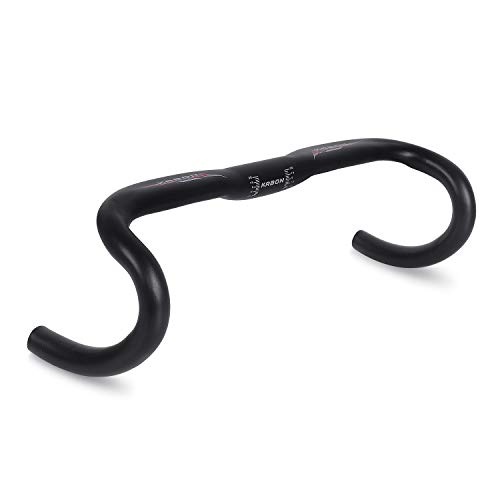
These aero bars are built from carbon fiber, offering a featherweight profile with a weight around 210g (±10g). Available in 31.8mm diameter with widths of 400/420/440mm, the aero bar design features a drop of 127mm and a reach of 104mm. The UD Matte finish presents a sleek, professional appearance and includes standard road-racing geometry designed to enhance aerodynamics and rider positioning. Installation torque is specified as 4Nm for secure mounting, and the setup aims to deliver a precise balance between stiffness and comfort for long road sections.
Compared with traditional flat bars, aero bars emphasize aerodynamic posture and a forward-leaning position that can improve efficiency on flat and rolling terrain. They are well-suited for riders seeking a performance-oriented cockpit upgrade. As with all carbon components, handlebar impact should be avoided, and proper handling during installation and transportation is essential to preserve integrity and performance over time.
Buying Guide
Bar Type And Riding Style
Flat bars provide a more upright, stable stance and quick steering, which suits commuting, endurance training, and casual rides. Road bikes with flat bars can feel more comfortable for riders seeking a relaxed posture or those transitioning from mountain bikes. If you primarily race or seek maximum aero efficiency, drop or aero bars may be preferable, but for everyday riding, flat bars offer a practical, versatile option.
Materials: Aluminum vs Carbon
Aluminum flat bars are typically robust, durable, and cost-effective, making them ideal for daily use and beginners. They tolerate minor impacts well and are easier to repair. Carbon flat bars are lighter and can improve stiffness and ride feel, but they require careful handling and higher maintenance due to sensitivity to impact and potential repair costs. For beginners or riders on a budget, aluminum often provides the best value; for performance-oriented riders, carbon may justify the higher price.
Sizing And Fit
Key dimensions include length, width, and clamp diameter. Common lengths range from about 540mm to 620mm, and clamp diameters of 25.4mm or 31.8mm are typical in flat-bar designs. Wider bars offer more leverage and stability, while narrower bars can improve handling in tight, technical sections. Match bar width to shoulder width and consider cockpit geometry to maintain a comfortable reach and proper hand position during long rides.
Diameter and Clamp
Clamp diameter determines stem compatibility. A 25.4mm clamp is common for many older or budget setups, while 31.8mm is prevalent on newer, higher-end components. If upgrading, verify stem compatibility and ensure the new handlebar can be clamped securely without requiring extensive spacers or adapters. Improper clamping can cause slippage and compromise safety during rides.
Weight, Strength, And Durability
Carbon bars generally weigh less than aluminum equivalents, contributing to improved acceleration and overall efficiency. Aluminum bars offer exceptional durability and cost savings, with good stiffness for daily use. Consider your weight, riding style, and exposure to road debris or crashes when selecting material. If you frequently ride on rough roads or in areas with frequent contact or drops, aluminum might be the more forgiving choice.
Installation, Torque, And Compatibility
Follow manufacturer torque recommendations to avoid over-tightening or damaging the bar. Carbon bars often require lower torque to prevent delamination or cracking. In the provided options, a torque around 4 Nm is common for carbon bars and ensures a secure fit without risking damage. Always use appropriate tools and inspect for cracks after installation or a heavy impact. Ensure the bar’s drop and reach align with your stem, shifter, and brake lever geometry for reliable control.
Weight, Cost, And Value
Balance your budget against performance gains. Carbon bars provide a weight reduction and a perceived improvement in stiffness and aesthetics, but they typically come at a higher price. Aluminum bars offer excellent durability and value, making them a practical choice for most riders. If you ride frequently in wet conditions or have budget constraints, aluminum can deliver solid value without compromising reliability.
Maintenance And Care
Regularly inspect your flat bars for signs of wear, cracks, or corrosion at clamp areas and bar ends. Clean bars after rides to remove dirt and moisture, especially after wet or muddy conditions. Ensure proper alignment in the headset and stem area, and periodically check for any changes in bar alignment that could affect steering and safety. Proper storage and transport reduce the risk of impact damage to carbon bars.
By weighing bar type, materials, sizing, and installation considerations, you can select a straight or flat-bar option that aligns with your riding goals. The five models above illustrate a range of aluminum and carbon choices, widths, and clamp sizes to suit different bikes and preferences.