Choosing the right road bike handlebar stem is essential for dialing in your position, comfort, and handling on the road. The stems below are among the top options for 31.8mm clamping standards and related road-bike setups. They offer a mix of fixed and adjustable heights, varied angles, and durable materials to fit different riding goals—from fast-paced sprints to endurance rides. This guide highlights five solid choices with objective specs to help you compare fit, comfort, and weight. Note the listed features reflect typical use cases for each model and explain how they translate to real-world riding performance.
| Product | Brand | Diameter | Length Options | Angle | Notes |
|---|---|---|---|---|---|
| 31.8 Stem 60mm 7 Degree | FOMTOR | 31.8 mm | 60 mm | ±7° | Lightweight CNC machined 6061 T6 aluminum; 115 g; good for mountain and road setups. |
| Adjustable MTB Stem 90/110/130/145mm | CXWXC | 31.8 mm | 90/110/130/145 mm | 70° | Adjustable height and reach; compatible with 31.8 mm bars and 28.6 mm steerers. |
| Bike Stem 31.8 60/70/90/110mm 35° | CYSKY | 31.8 mm | 60/70/90/110 mm | 35° | 6061 T6 aluminum; corrosion and oxidation resistant. |
| 31.8 Stem 80mm 7 Degree | FOMTOR | 31.8 mm | 80 mm | 7° | Lightweight at ~130 g; robust 6061 T6 construction. |
| Road Carbon 31.8 Stem/Handlebar | Yccyctrek | 31.8 mm | Width 400/420/440 mm; Drop 130 mm; Reach 80 mm | Not listed (integrated style) | Light carbon construction; lighter than aluminum; strong response for aero road setups. |
FOMTOR 31.8mm Stem 60mm 7 Degree

The FOMTOR 31.8mm stem with a 60 mm length and a ±7° angle is designed for precise steering and responsive handling. It clamps onto a 31.8 mm handlebar and uses a 28.6 mm front fork interface, aligning with common road and MTB forks. Weighing about 115 g, the stem is constructed from CNC-machined 6061-T6 aluminum, ensuring a robust yet lightweight profile suitable for endurance rides or aggressive climbing. The compact length helps maintain a lower handlebar position, which can improve aerodynamics and control on descents.
In terms of usability, the 60 mm reach gives riders a balanced cockpit setup that suits mid- and aggressive-riding styles without overly compromising stiffness. The combination of high-strength aluminum, corrosion resistance, and straightforward installation makes this stem a practical upgrade for riders looking to refresh their steering geometry without replacing the entire cockpit.
CXWXC Adjustable MTB Stem 31.8mm

The CXWXC adjustable MTB stem offers a versatile solution for riders seeking customizable reach and height. Clamp diameter is 31.8 mm, compatible with standard 1-1/4″ steerers (28.6 mm). The stem provides an angle of 70°, enabling a dramatic rise in handlebar height when desired. It comes in several lengths—90, 110, 130, and 145 mm—so riders can fine-tune their cockpit without swapping bars. The design emphasizes comfort for long tours or mixed-terrain rides by letting riders optimize reach, weight distribution, and overall riding posture. It’s built to withstand regular road and touring use while maintaining dependable stability.
Note: The product emphasizes size confirmation before purchase and highlights intended uses for long hours in the saddle. This stem suits riders who want a flexible setup that can adapt as comfort needs evolve over a season of training and events.
CYSKY Bike Stem 31.8mm 60/70/90/110mm

The CYSKY 31.8 mm bike stem family includes 60, 70, 90, and 110 mm lengths, all in a 35° design. Built from robust 6061-T6 aluminum alloy, these stems deliver solid stiffness and reliable performance across road, MTB, and BMX disciplines. The 31.8 mm clamp size fits a wide range of handlebars, and the stems are designed to resist corrosion and wear in variable weather. This makes them a practical upgrade for riders seeking a more aggressive cockpit geometry, or for those who want to elevate their position for better control on descents and long climbs.
Installations can be straightforward for riders with standard clamp sizes, and the 35° angle provides a more upright cockpit feel compared to flatter setups, which can enhance comfort on longer rides or when climbing out of the saddle.
FOMTOR 31.8 Stem 80mm 7 Degree

The FOMTOR 80 mm stem offers a longer reach with a 7° angle, ideal for riders who want a slightly more extended cockpit for improved leverage and aero positioning on longer rides. This stem’s clamp diameter is 31.8 mm, and it uses a high-strength 6061-T6 aluminum alloy. Weighing roughly 130 g, it balances stiffness with reasonable weight, making it suitable for road bikes that require a more open riding posture without compromising steering precision. Installation is straightforward for riders familiar with standard road stem hardware, and the increased length can help fine-tune a mid-pack rider’s reach.
For riders chasing a more comfortable posture during steady climbs or extended efforts, the 80 mm length with a 7° angle provides a predictable and consistent sensation across varied terrain and ride durations.
Yccyctrek Road Carbon Stem 31.8mm
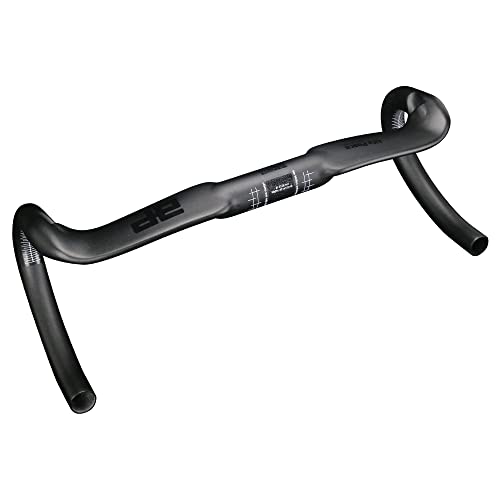
The Yccyctrek carbon stem is designed for riders prioritizing weight savings and carbon stiffness. It clamps to a 31.8 mm handlebar and is paired with a carbon road handlebar profile offering a width of 400/420/440 mm, a drop of 130 mm, and a reach of 80 mm. With a T700 carbon fiber build, it emphasizes weight reduction—approximate weight around 225 g—and an aero-friendly profile. This combination suits performance-focused road cyclists who want a lighter cockpit with improved power transfer and a clean, integrated look on aero frames.
Integrated carbon components can enhance ride feel, with less flex and more precise steering. However, riders should ensure compatibility with their frame’s geometry and consider the overall cockpit stiffness when choosing a full carbon setup versus aluminum components.
Buying Guide: How To Choose The Right Road Bike Handlebar Stem
Key considerations
Stem choice impacts cockpit height, reach, steering response, and overall riding comfort. Start by confirming clamp diameter (most road bikes use 31.8 mm). If you ride a bike with a wider bar or non-standard stem, verify compatibility with your hand position and frame geometry. Consider whether you want a fixed length and angle or an adjustable stem to fine-tune fit without changing bars.
Diameter, length, and angle
Diameter should match your handlebars: 31.8 mm is the current standard for many modern road bikes. Length affects reach and leverage; shorter stems enhance quick handling, while longer stems provide a stretch for aero positioning. Angles influence cockpit height and rider posture; typical road stems range from about 7° to 35° warping the bar position to suit different riding styles. Balance weight, airflow, and comfort when selecting a stem height and reach combination.
Material and weight
Aluminum stems (such as 6061-T6) are common, durable, and affordable. Carbon stems offer weight savings and stiffness, but may be pricier and require careful inspection for impact tolerance. For mixed-terrain or touring riders, aluminum often delivers robust reliability with easier maintenance. If you’re chasing a race-ready, lightweight cockpit, carbon options can help shave grams and improve stiffness-to-weight ratios, but ensure compatibility with your handlebar and frame.
Adjustability vs. fixed geometry
Adjustable stems provide flexibility for trial-and-error fitting, particularly in long-duration rides or when swapping between riding modes. However, fixed stems tend to be lighter and structurally simpler with fewer potential points of failure. Decide if you value the ability to tweak height and reach now or if you prefer a proven, durable setup with fewer moving parts.
Installation, maintenance, and reliability
Proper torque and aligned installation are essential for safety and performance. Regularly inspect stem bolts, ensure no headset or fork issues exist, and verify the stem remains aligned with the front wheel. For carbon stems, follow manufacturer guidelines for torque and avoid over-tightening. Maintenance is straightforward for aluminum stems, with periodic checks for corrosion resistance and bolt integrity.
Performance implications and rider fit
A well-chosen stem improves steering precision, reduces fatigue, and supports better power transfer. Consider your riding goals—flat open roads, gravel descents, or long endurance sessions—and how stem length and angle affect your position, balance, and breathing. If possible, test different stems or use a professional bike fit to optimize cockpit geometry for your body dimensions and riding style.
Summary of options
For riders seeking a reliable, adjustable, or carbon option, the selected stems offer a spectrum of weights, lengths, and angles. Aluminum stems deliver durability and affordability, while carbon options prioritize weight and stiffness for performance-oriented riders. Always verify compatibility with handlebar diameter, steerer tube, and frame clearance before purchasing.