Finding the right bike for a six-year-old blends safety, ease of use, and room to grow. Most children at this age are transitioning from balance and starter bikes to single-gear bicycles with hand brakes or coaster brakes. The best picks balance lightweight frames, adjustable components, and reliable stopping power. This guide showcases five bikes suitable for many six-year-old riders, emphasizing fit for height, braking control, durability, and ease of learning. Each model offers thoughtful features like training wheels, balanced geometry, and kid-friendly components to support budding cyclists as they gain confidence on two wheels.
| Product | Brand | Size | Ages | Key Safety Features |
|---|---|---|---|---|
| WEIZE Girls Bike 16″ (14/16/20″ options) | WEIZE | 14″, 16″, 20″ | 3-12 | Full-coverage chain guard; easy handbrake; coaster brake; training wheels |
| RoyalBaby Freestyle 16″ Bike | RoyalBaby | 16″ | 4-7 | Adjustable seat/handlebar; safety brake lever; training wheels included; sturdy steel frame |
| JOYSTAR Unicorn 16″ Bike | JOYSTAR | 16″ | 4-6 | Front hand brake and rear coaster brake; removable training wheels; enclosed chainguard |
| Ridego 14″ Balance Bike | Ridego | 14″ | 3-7 | No pedals; air rubber tires; adjustable seat; lightweight frame |
| WEIZE 16″ Kids Bike (4-7+) | WEIZE | 16″ | 3-12 | Lightweight frame; handbrake option; full chain guard; multiple color options |
Note: Inseam measurements and ground clearance are good checks to ensure a rider can touch the ground comfortably. Always supervise young riders and adjust seat height so the child can reach the ground with both feet flat at rest.
WEIZE 16-Inch Girls Bike For Ages 4-7

WEIZE’s 16-inch girls bike is designed to fit children around ages 4 to 7, with versatile sizing that includes 14″, 16″, and 20″ options to accommodate growth. The bike emphasizes a kid-friendly geometry—smaller grips and a lightweight frame—to make pedaling and steering easier for young riders. A key safety note is the combination of braking options: an easy-to-use handbrake alongside a coaster brake, allowing kids to learn braking skills with gradual control. The model features a full-coverage chain guard to protect little clothing and skin, while the design includes a tailorable setup that supports confidence on two wheels. The bike also comes with decorative touches like streamers, a basket, and a doll seat, which can boost motivation for kids starting their cycling journey.
RoyalBaby Freestyle 16-Inch Bike

RoyalBaby Freestyle 16-inch bikes bring BMX-inspired styling to a kid-friendly size. The design emphasizes balance, control, and safety for beginners. Each bike ships with training wheels in multiple sizes (12, 14, 16 inches) to keep ahead of a growing rider’s needs. A patent-sealed bearing system supports smoother pedaling, while a BPA-free water bottle adds a playful hydration option for longer rides. The bike includes a fully adjustable seat and handlebar, enabling a longer usage window as your child grows taller. Shortest travel distance brake levers are sized for small hands, improving braking response and reducing stopping distance on gentle slopes and flat terrain. The steel frame and 2.4-inch wide tires provide stability and durability for daily use.
JOYSTAR Unicorn 16 Inch Kids Bike

JOYSTAR’s Unicorn 16-inch bike stands out with a bright, imaginative design that appeals to many young riders. The bike includes a doll seat, a decorative basket, and streamers to personalize the ride. It features adjustable saddle and stem height for a better fit as kids grow. For safety, it combines a front hand brake with a rear coaster brake to offer reliable stopping power. The enclosed chainguard protects little fingers and clothes, while removable training wheels support learners who are transitioning from training wheels to balance and pedaling. The bike uses sturdy steel framing and wide tires for stability across sidewalks and calm trails.
Ridego Balance Bike 14-Inch

Ridego’s balance bike is designed to help kids aged 3 to 7 develop balance and coordination without pedals. The 14-inch size is well-suited for younger beginners who aren’t ready for pedaling yet. With air-filled rubber tires, the bike delivers a smoother ride and better shock absorption on varied surfaces, from sidewalks to grassy patches. The frame is built from a durable glass-reinforced nylon blend, offering light weight (approximately 8.16 pounds) and robust strength. An adjustable seat ensures the bike grows with the child, while the pedal-less design keeps the learning experience simple and intuitive, reducing fear during the initial riding stages.
JOYSTAR 16 Inch Girls Bike (Macarons)
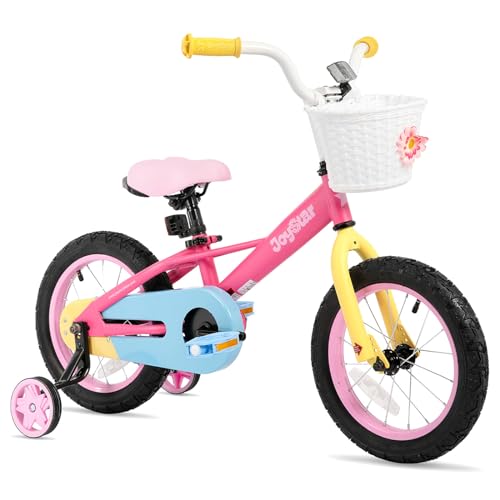
JOYSTAR’s Macarons 16-inch bike is designed for 4- to 7-year-olds, offering adjustable saddle and stem height for a custom fit. The bike’s bright, stylish colors align with many kids’ preferences, while a low gearing setup helps young riders pedal more easily. Safety features include a coaster brake that provides solid stopping power with minimal effort and an enclosed chain guard to prevent clothing or fingers from getting caught. The removable training wheels give parents a gradual path to balance without sacrificing safety. The Hi-Ten steel frame and resilient wheels provide everyday durability for learning adventures.
Buying Guide
Size And Fit
Choosing the right size is critical for safety and confidence. A typical 6-year-old with an inseam around 16-22 inches benefits from a 14–16 inch wheel size, while some children may be ready for a 20-inch wheel as they grow. Adjustable seat heights, adjustable handlebars, and growth-friendly components extend the bike’s usable life. If a child must tiptoe when seated, the bike is too large. Conversely, if the child cannot reach the pedals comfortably or keeps hitting the ground with knees, the bike is too small.
Braking System And Safety Features
Brakes are central to a child’s safety. Choices include handbrakes (front/rear) suited to older or more experienced riders, coaster brakes suited to younger learners, or combinations that enable gradual skill-building. A strong, responsive brake lever—designed for small hands—reduces stopping distance. Look for a full-coverage chain guard to minimize clothing snags, enclosed gears, and stable tires with good grip. Training wheels are a transitional feature that helps maintain balance while learning to pedal.
Training Wheels And Learning Path
Training wheels provide extra balance during early rides, but they should be removable as soon as the rider shows consistent pedaling and steering. Some bikes include adjustable training wheel options to grow with the child, while others move directly from balance-oriented models to pedals. For many kids, a staged approach—balance bike first, then a pedal bike with training wheels, followed by a pedal bike without aids—delivers the most confidence and speed to master two-wheel riding.
Weight, Durability, And Materials
Lightweight frames are easier for kids to maneuver, accelerate, and stop. Aluminum frames save weight but can be pricier; steel frames are durable and affordable. A sturdy fork, reliable bearings, and wide tires improve stability on uneven surfaces. The bike should tolerate a few bumps and still perform well, particularly during learning phases. Durable finishes and simple maintenance routines help families keep bikes in good shape with minimal effort.
Adjustability And Growth Potential
Adjustable seat height, handlebar position, and sometimes stem length extend the bike’s usefulness as a child grows taller and stronger. When possible, choose models with broad adjustment ranges to maximize the period a single bike can be used. A bike that can be tuned to fit shorter or taller riders across multiple school years offers the best value and reduces the need for early replacements.
Maintenance, Warranty, And Accessories
Regular maintenance—checking brakes, adjusting saddles, tightening bolts, and cleaning the drivetrain—keeps kids safe and bikes performing well. Look for bikes with simple, family-friendly maintenance requirements. Warranties can vary; some brands offer limited warranties on frames or components. Accessories like baskets, bells, streamers, and doll seats may enhance enjoyment but should not compromise safety and weight balance.
Cost And Value
While budget matters, the lowest price may mean higher maintenance or shorter lifespan. Consider value in terms of age-appropriate features, ease of learning, and durability. A bike that grows with a child—through adjustable sizing and versatile components—often yields better long-term use than a single-purpose model. Compare similar-size bikes by weight, braking options, and adjustability to determine the best overall value for a growing rider.
Across these options, families should match a bike to the child’s current skill level, height, and enthusiasm for learning. A balance of safety features, growth potential, and manageable weight helps ensure a positive, confident riding experience as a six-year-old advances toward more advanced cycling skills.