Balance bikes without pedals are a popular choice for toddlers and beginning walkers. By focusing on balance, steering, and coordination, these bikes help kids gain confidence before they transition to a pedal bike. The following selections are designed for ages from around 10 months up to early childhood, with safety features like enclosed wheels and limited steering to reduce falls. Each option below emphasizes lightweight construction, adjustable seating, and indoor/outdoor usability, making them suitable as first ride-on toys for toddlers.
| Product | Brand | Age Range | |
|---|---|---|---|
| SEREED Baby Balance Bike | SEREED | 12-24 months | No pedals; 135° turning limit |
| Liberry Light-Up Balance Bike | Liberry | 1-3 years | |
| SEREED Toddler Balance Bike | SEREED | 2-5 years | |
| XBONFOE Balance Bike | XBONFOE | 10-24 months | |
| Elantrip Balance Bike | Elantrip | 1-3 years |
SEREED Baby Balance Bike 12-24 Months
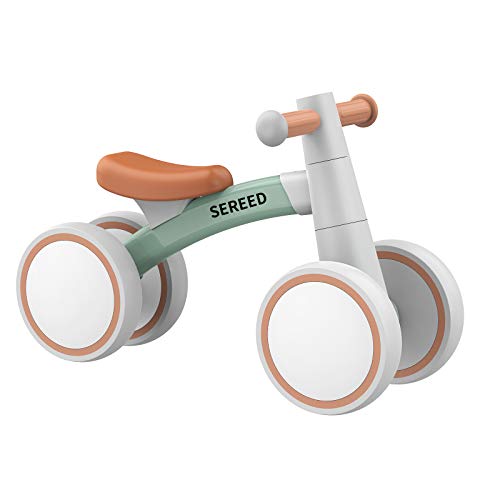
The SEREED balance bike for 12- to 24-month-olds focuses on early walking and riding, with a pedal-free design that promotes natural balance development. Its lightweight aluminum alloy frame and non-slip TPU handle provide a secure grip for tiny hands, while a softly padded seat offers comfortable support during practice sessions. The absence of pedals encourages babies to push off the ground, learn steering, and gain confidence as they explore their first rides.
Key features include a 135° turning limit and gravity-based steering that minimizes the risk of tipping or pinching. The fully widened closed wheels protect little feet and keep play sessions safe on indoor floors and outdoor surfaces alike. This model is intended for younger toddlers, aligning with recommended ages and developmental milestones. Parents appreciate the straightforward, tool-free adjustments and the durable design that can withstand regular use in living rooms, driveways, or playgrounds.
- No pedal yet designed to foster balance and coordination
- 135° turning limit reduces tipping risk
- Aluminum alloy frame with non-slip TPU handles
- Soft seat and enclosed wheels for safety
Liberry Light-Up Balance Bike 1-3 Years

Liberry’s balance bike adds an engaging twist with light-up rear wheels that activate with a quick spin, attracting toddlers without requiring batteries. Designed for ages 1 to 3, this pedal-free ride emphasizes safety with a 135° steering restriction and a longer wheelbase to reduce rollover risk and pinch points. The fully enclosed wheels and non-slip handlebars work together with a soft seat to deliver a comfortable ride for new riders learning balance and steering.
The bike also features an adjustable seat and a user-friendly quick-release design for the handlebars and front wheels, enabling parents to tailor seating and reach as their child grows. The no-pedal design keeps maintenance simple while offering a smooth transition into a pedal bike later on. It’s a versatile option for families seeking visual appeal and practical growth, suitable for indoor practice or outdoor adventures.
- Lighting wheels that engage without batteries
- 135° steering restriction and enclosed wheels
- Adjustable seat; quick-release handlebars
SEREED Toddler Balance Bike 2 Year Old

This SEREED model is built for ages about 2 to 5 years, offering a sturdy carbon steel frame that supports heavier riders while maintaining light steering. The quick-release mechanism lets parents adjust seat height from 12.6 to 17.1 inches and handlebar height from 19.6 to 22.5 inches without tools, making it easy to keep up with a child’s rapid growth. With no pedals, kids learn balance and steering, helping to build confidence as they prepare to transition to a pedal bike. The set includes a bonus plate and stickers for personalizing the ride, which can motivate children to practice more often.
Safety and longevity are central here: a wide base, non-slip grips, and a soft saddle contribute to a stable learning experience. The bike is designed to be used indoors or outdoors, depending on space, and aims to minimize falls through careful geometry and weight distribution. While intended for older toddlers and preschoolers, this model remains a strong option for families seeking a grow-with-me balance bike that adapts to changing sizes.
- Sturdy carbon steel frame; supports up to 110 lbs
- Tool-free height adjustments for seat and handlebar
- No pedals; includes personalization plates and stickers
XBONFOE Balance Bike 10-24 Months

XBONFOE’s balance bike is tailored for babies aged 10 to 24 months, offering a stable, four-wheel design with no pedals. Its adjustable seat ranges from 10.6 to 11.4 inches, growing with the child as confidence and balance improve. The frame is built from a sturdy aluminum alloy, with non-slip handlebars and a soft seat to ensure comfy sessions. The wear-resistant, anti-slip wheels are designed to protect floors while enabling smooth movement across indoor and outdoor surfaces. Parents often appreciate the straightforward setup and the way this model supports early walking and independent riding skills.
The product emphasizes a gradual learning curve: push-to-walk sessions evolve into steering and coordinated balance without pedaling. The four-wheel design reduces tipping risk for very young riders, helping them feel secure during practice. It serves as a practical, approachable option for families who want a simple, durable first bike that can accompany a toddler through several developmental stages.
- No pedals; four-wheel stability for beginners
- Adjustable seat height; aluminum frame
- Non-slip handlebars and soft seat for comfort
Elantrip Balance Bike 1-3 Years

Elantrip’s balance bike is marketed as a first step toward independence, ideal for 1- to 3-year-olds. The 95% pre-assembled design promises quick setup, typically ready in minutes after unboxing. The bike uses a lightweight carbon steel frame and weighs about 7 pounds, enabling easy handling by small riders and parents alike. The no-pedal design helps children focus on balance and steering while building confidence in movement. It is suited for indoor practice and light outdoor use, with an emphasis on straightforward assembly and reliable basic performance for early riders.
Key attributes include a forgiving setup that minimizes frustration and a sturdy build meant to endure daily play. The frame weight capacity reaches up to about 110 pounds, offering a long growth window for families who want a single bike to accompany a child through several stages of development. The simple, durable construction aligns with parents seeking a dependable, low-maintenance option that still delivers a satisfying riding experience for young children.
- 95% pre-assembled; quick setup
- Lightweight carbon steel frame; up to 110 lbs capacity
- No pedals; supports balance and early independence
Buying Guide
Choosing the right no-pedal baby bike hinges on several practical considerations. This guide highlights key factors to compare across models and what to look for in terms of safety, growth, and value.
- Age and growth trajectory: Look at the manufacturer’s recommended age range and whether the bike offers adjustable seat heights and handlebar positions. Bikes with tool-free adjustments help you adapt as your child grows.
- Pedal-free design and balance focus: Ensure the model uses a pedal-less setup that encourages balance, steering, and independence without confusing gear transitions.
- Safety features: Common safety elements include 135° steering limits, fully enclosed wheels, non-slip handles, and soft seats. Enclosed wheels reduce finger or foot pinching, especially with active toddlers.
- Frame and weight: Lightweight frames (aluminum or carbon steel) are easier for kids to maneuver. Check the weight limit to ensure the bike remains suitable as your child grows.
- Adjustability and ease of use: Quick-release mechanisms and tool-free height adjustments save time and effort for parents and caregivers.
- Wheel design and floor compatibility: Non-slip wheels and wear-resistant tires protect floors and provide stable grip on various surfaces indoors and outdoors.
- Indoor vs. outdoor use: If space is limited, prioritize models with stable four-wheel designs or wider wheelbases to minimize tipping during indoor practice.
- Personalization options: Some bikes offer plates or sticker sets for customization, which can increase a child’s engagement and pride in their ride.
- Certifications and safety benchmarks: While not all products list certifications, look for certified materials and safety standards where available (e.g., EN71, ASTM F963).
- Value and longevity: Consider whether the bike grows with your child through multiple ages or remains suitable for a narrow window. A model with adjustable height and durable build may deliver higher long-term value.
Across these options, parents typically weigh how quickly their child will progress from push-and-balance sessions to confident steering, and how a bike’s weight, adjustability, and safety features align with daily routines. The best balance bike for your family balances ease of use, safety, and growth potential, offering a reliable first ride that helps children develop essential motor skills in a fun, engaging way.