Choosing a cadence sensor helps cyclists track pedal speed, fine-tune cadence, and train more efficiently. Modern sensors install quickly, connect wirelessly to bikes and apps, and work with a range of devices from Garmin to Wahoo. This guide highlights five top options for American riders, focusing on ease of setup, battery life, and compatibility with popular platforms like Zwift, Peloton Digital, and Garmin Connect. Whether you ride road, gravel, or indoors, a reliable cadence sensor can illuminate your pedal stroke and help you train smarter.
Summary table of chosen products below provides quick comparison at a glance, then each option is explored in depth. All products support real-time data sharing, and most offer both ANT+ and Bluetooth connectivity to maximize compatibility with your bike computer, phone, or smart trainer.
| Product | Brand | Type | Highlights |
|---|---|---|---|
| Garmin Speed And Cadence Bundle | Garmin | Speed & Cadence Bundle | Magnetic-free install; hub-based speed sensor; cadence on crank arm; Garmin ecosystem ready |
| Garmin Wireless Speed And Cadence Bundle | Garmin | Speed & Cadence Bundle | Self-calibrates with Garmin devices; wireless; ANT+ and BLE; live data to apps |
| Wahoo RPM Cadence Sensor | Wahoo Fitness | Cadence Sensor | Real-time cadence; dual-band; works with Zwift, Peloton Digital, and more |
| Garmin Cadence Sensor 2 | Garmin | Cadence Sensor | Crank-arm attachment; ANT+ & BLE; multi-device compatibility |
| COOSPO Bicycle Cadence & Speed Sensor | CooSpo | Cadence & Speed Sensor | Two-sensor package; Bluetooth & ANT+; app connection guidance included |
Garmin Speed And Cadence Bundle

The Garmin Speed Sensor 2 and Cadence Sensor 2 Bundle provides a magnet-free, wireless installation designed for quick swapping between bikes. The speed sensor mounts to the hub of either wheel and self-calibrates with compatible Garmin devices, delivering accurate speed and distance data even when a separate head unit isn’t in use. The cadence sensor attaches to any size crank arm, tracking pedal revolutions per minute to help you refine your pedal stroke and training plan. The setup supports Garmin Edge cycling computers and other Garmin devices for a seamless data flow.
- Magnet-free installation simplifies mounting and maintenance
- Hub-based speed sensor self-calibrates with Garmin devices
- Cadence sensor tracks pedal strokes per minute for cadence-focused training
In practice, riders can move sensors between bikes with minimal effort, reducing clutter and improving consistency across workouts. While the primary sensors are built to work with Garmin ecosystems, the data sharing and live metrics can complement third-party apps that support ANT+ or BLE, enabling a flexible training setup for indoors and outdoors alike.
Garmin Wireless Speed And Cadence Bundle

This Garmin bundle emphasizes wireless operation and versatile connectivity. The speed sensor attaches to either wheel hub and self-calibrates with a Garmin Edge computer or compatible Garmin device, providing accurate speed and distance data even when a dedicated head unit isn’t present. The cadence sensor fastens to any crank arm and measures pedal revolutions per minute, enabling precise cadence tracking during rides and workouts. The package supports live data transmission to compatible training apps or displays via ANT+ and Bluetooth Low Energy, expanding your training options beyond Garmin hardware.
- Self-calibrating speed sensor without a head unit
- Cadence sensor measures pedal RPM for cadence-focused training
- ANT+ and Bluetooth LE data sharing to apps and displays
For riders who value ecosystem flexibility, this bundle ensures that speed and cadence data can be captured and analyzed across multiple platforms. It is particularly beneficial for athletes who train with diverse apps or who want to pair Garmin sensors with third-party software for broader analytics.
Wahoo RPM Cadence Sensor
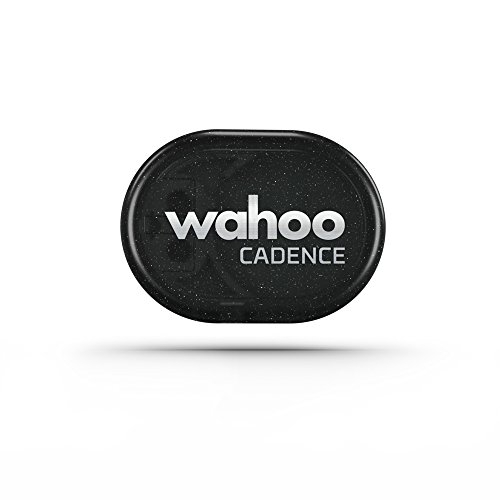
The Wahoo RPM Cadence Sensor focuses on precise cadence measurement and broad compatibility. It captures real-time pedal RPM and supports integration with popular training apps, including Wahoo’s SYSTM and RGT, Zwift, and Peloton Digital via Bluetooth. The sensor uses dual-band technology, combining ANT+ and Bluetooth Smart capabilities to connect with smartphones, tablets, and bike computers. This multiplatform approach is ideal for riders who ride with multiple ecosystems or who want a single sensor that crosses device boundaries.
- Real-time cadence measurement for training optimization
- Bluetooth and ANT+ dual-band connectivity
- Wide app compatibility, including Zwift and Peloton Digital
Users often appreciate how the RPM sensor integrates with both indoor trainers and outdoor bikes, providing consistent cadence data without requiring a dedicated Garmin device. The compact form factor and straightforward pairing process make it a popular choice for riders who value simplicity and cross-platform data sharing.
Garmin Cadence Sensor 2

The Cadence Sensor 2 from Garmin is a compact, crank-arm mounted device designed to deliver cadence data with reliability. It attaches to any crank arm size and transmits cadence information via ANT+ and Bluetooth Low Energy, enabling seamless sharing with Garmin Connect and other compatible apps and devices. This sensor is well-suited for riders who already use Garmin gear or who want an unobtrusive, lightweight option that focuses on cadence accuracy for indoor and outdoor riding.
- Crank-arm mounted cadence tracking
- ANT+ and Bluetooth LE data transmission
- Compatible with multiple Garmin devices and apps
Indoor training environments and outdoor routes both benefit from precise cadence data, helping riders understand their pedal efficiency and refine spin technique. While designed for Garmin users, the sensor’s broad connectivity makes it easy to integrate cadence metrics into other training platforms as needed.
COOSPO Bicycle Cadence & Speed Sensor

The COOSPO Bicycle Cadence & Speed Sensor package includes one speed sensor and one cadence sensor, enabling simultaneous tracking of both metrics. It supports Bluetooth and ANT+ connections, and it can connect to multiple devices depending on the protocol used. When pairing via Bluetooth, you may need to select the sensors within the app rather than the phone’s Bluetooth settings. This setup allows riders to capture comprehensive data for speed and cadence without purchasing separate units, making it a practical option for budget-conscious cyclists seeking dual-sensor capability.
- Two-sensor package for speed and cadence
- Bluetooth and ANT+ compatibility
- App-based pairing guidance improves setup success
COOSPO’s bundle focuses on value and flexibility, offering robust data capture for riders who want both metrics without multiple separate devices. The dual-sensor approach is particularly useful for indoor trainers and mixed riding environments, where consistent data helps in analyzing pedaling efficiency and workout effectiveness.
Buying Guide
When choosing a cadence sensor, consider how you ride, what devices you own, and how you intend to use data. Here are key purchase considerations to help you decide between single-sensor cadence options, dual-sensor speed and cadence bundles, and brands with strong ecosystem support.
- Sensor type: Decide whether you want a cadence-only sensor or a dual-speed-and-cadence setup. Cadence-focused sensors are smaller and lighter, while dual-sensor kits provide a complete picture of pedaling tempo and speed, useful for interval training and power profiling.
- Connectivity: Look for devices that support both ANT+ and Bluetooth Low Energy. Dual-band sensors maximize compatibility with bike computers, smartphones, and trainers such as Zwift or Peloton Digital.
- Mounting and ease of installation: Hub-mounted speed sensors are convenient for wheel-based data, and crank-arm cadence sensors are typically quick to install. Magnetic-free designs reduce alignment hassles and maintenance.
- App and device compatibility: If you already own a Garmin Edge or Wahoo device, prioritize sensors that integrate smoothly with those ecosystems. If you use multiple apps, ensure the sensor supports data sharing across platforms.
- Battery life and replacement: Battery type (often coin cell) and expected life matter for outdoor riders. Check how easy it is to replace batteries in the field and whether the sensor goes into low-power mode.
- Water resistance and durability: IP ratings and robust housings help in wet weather and gravel riding. Outdoor riders benefit from sensors that endure sweat, rain, and mud.
- Calibration and setup: Some sensors auto-calibrate with a compatible device, while others require manual steps. A sensor with straightforward setup reduces initial friction and improves accuracy over time.
- Price and value: Bundles that include both speed and cadence sensors often provide the best value. Compare features, compatibility, and ecosystem support to determine long-term value.
- Data workflow: Consider how data will be analyzed. If you rely on Garmin Connect, Zwift, or other platforms, ensure the sensor can stream live data and export workout metrics for analysis.
In sum, the best cadence sensor for you balances ease of use, compatibility with your devices, and how you train. For Garmin users, bundles that pair speed and cadence sensors deliver seamless data integration. For cross-platform riders, dual-band sensors and robust app support offer the most flexibility. Whether you ride indoors on a trainer or outdoors on a road or mountain bike, the right cadence sensor provides actionable insights to optimize cadence, efficiency, and overall performance.