Whether you ride for commuting, climbing hills, or trail carving, reliable disc brakes are essential for safe stopping. This guide highlights five Amazon-sourced options that balance performance, durability, and value for American riders. From hydraulic calipers to mechanical units and rotor upgrades, the selections cover common mounting standards, rotor sizes, and pad materials. Read on to compare features, installation considerations, and maintenance tips to help you choose brakes that work well with electric bikes, mountain bikes, and hybrids in diverse conditions.
| Product | Brand | Type | Key Benefit |
|---|---|---|---|
| HB-100 Hydraulic Calipers | Hycline | Hydraulic Caliper | Smooth braking in wet and downhill |
| Mechanical Caliper Set | TOBWOLF | Mechanical Caliper | Wide mounting compatibility and easy servicing |
| MT600 Brake Pads (Two Pairs) | DYISLAND | Brake Pads | Semi-metallic for wear resistance and heat dissipation |
| 180mm Rotor | Teyssor | Disc Rotor | Standard 6-bolt rotor with reliable performance |
| Mechanical Caliper | LOOEEL | Mechanical Caliper | Easy adjustment and versatile mounting |
Hycline HB-100 Hydraulic Disc Brake Calipers

The HB-100 series uses a cable-actuated hydraulic design, blending precise hydraulic feel with a cable-driven control mechanism. The caliper block includes built-in brake oil, and the clamp employs hydraulic line pull to manage pad movement. Constructed from premium aluminum, these front and rear calipers provide two-way pad movement for smooth braking in challenging conditions. The system is designed to deliver consistent performance across wet roads, steep descents, and mixed terrain, making it suitable for mountain, road, and electric scooter applications where reliable stopping power is essential.
- Braking System: Cable-actuated hydraulic disc brake
- Upgrade Design: Hydraulic line pull clamp technology
- Aluminum calipers with built-in brake oil
- Front/Rear compatibility with smooth braking in wet or steep downhills
Overall, these calipers aim to offer a balanced experience: hydraulic-like feel with the simpler maintenance profile of cable-controlled systems. They suit riders who want dependable performance without committing to a full hydraulic line bleed every season.
TOBWOLF Mechanical Disc Caliper Set
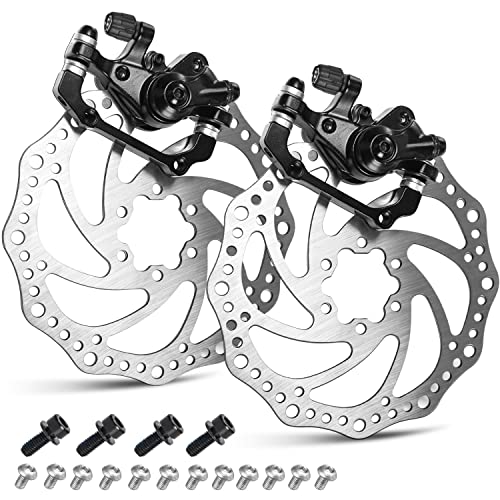
This TOBWOLF kit provides front and rear mechanical disc calipers designed for broad compatibility and straightforward service. The package includes one pair of calipers, two 160mm rotors, four fixing bolts, and 12 titanium bolts for a secure installation. The calipers support both 74mm post mounting and 51mm IS spacing, with a typical weight around 180g per caliper. The included 160mm rotors offer reliable stopping power on mountain, road, folding, and BMX bikes, making this a versatile upgrade for riders who prefer a non-hydraulic system or economize on components.
- Packed with 1 pair calipers, 2x 160mm rotors, bolts, and titanium fasteners
- Mounting compatibility: 74mm Post and 51mm IS
- Rotor details: inner diameter 44mm, outer diameter 160mm, thickness 2mm
- Mechanical braking: easy service and reliable performance
These calipers emphasize affordability and serviceability, offering dependable braking without hydraulic components. They are well-suited for riders upgrading older bikes or seeking a simple maintenance routine for varied riding conditions.
DYISLAND MT600 Brake Pads (Two Pairs)
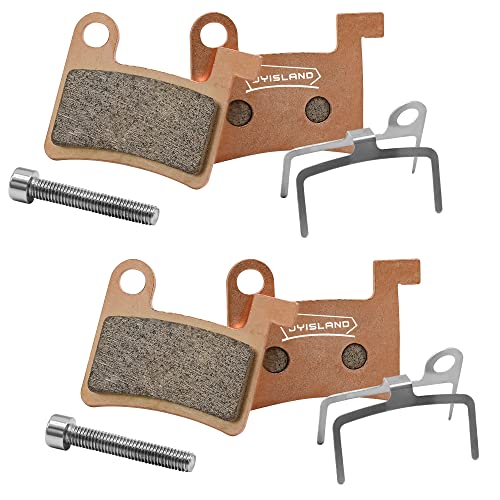
DYISLAND MT600 brake pads are designed for compatibility with LD-200PLUS and LD4X-300 hydraulic disc brakes. They are offered in semi-metallic and sintered-metal formulations. Semi-metallic pads provide a shorter break-in period with good anti-wear performance and heat dissipation, while sintered pads offer stronger stopping power and higher wear resistance under demanding conditions. This combination ensures reliable braking across a range of riding styles and climates, making them a versatile option for e-bikes and standard mountain bikes alike.
- Compatible with LD-200PLUS and LD4X-300 hydraulic discs
- Semi-metallic and sintered-metal options
- Widened and thickened pads for strong braking and longevity
These pads aim to balance braking power, wear resistance, and noise reduction, helping protect rotors while delivering predictable performance in everyday use and longer descents.
Teyssor 180Mm 6-Bolt Disc Rotor

The Teyssor rotor is a straightforward upgrade option with an outer diameter of 180mm and a 6-bolt mounting pattern. The package includes one rotor and six screws, with a center distance of 44mm that fits a wide range of road, mountain, and MTB builds. This rotor design emphasizes durability and compatibility, making it a practical choice for riders looking to improve heat management and braking power on heavier bikes or downhills where rotor efficiency matters.
- Outside diameter: 180mm
- Center distance: 44mm
- Includes 6 mounting screws
Compared with smaller rotors, the 180mm size improves braking leverage and heat dissipation during extended descents. The 6-bolt pattern is widely supported, enabling easy rotor swaps across many frames and hubs.
LOOEEL Mechanical Disc Caliper

The LOOEEL mechanical disc brake caliper features a high-quality aluminum alloy body designed for durability, corrosion resistance, and efficient heat dissipation. It supports two common mounting standards: 51mm IS and 74mm Post, making it compatible with many frame designs. An internal elastic adjustment screw, plus a brake pad adjuster screw, helps set the gap between the disc and pad for consistent braking. A long rectangular opening enables quick pad replacement, reducing maintenance time for riders who value convenience and reliability on the trail or road.
- Aluminum alloy construction for light weight and durability
- Mounting options: 51mm IS and 74mm Post
- Adjustable pad gap with easy-to-use screws
- Rectangular opening for fast pad replacement
Buying Guide
Brake Type And System
Choosing between hydraulic and mechanical disc brakes depends on riding style, terrain, and maintenance preferences. Hydraulic systems deliver stronger, more consistent braking with better modulation and heat management, making them common on high-performance e-bikes and mountain bikes. Mechanical discs are simpler, lighter on initial cost, and easier to service in remote settings, appealing to casual riders or those upgrading older bikes. Some hybrids use hydraulic rear brakes with mechanical fronts for a compromise in feel and maintenance. When selecting, consider how often you ride steep descents, traverse wet weather, or require low-maintenance components.
Mounting Standards And Rotor Sizes
Standardization matters for compatibility. IS (International Standard) post-mount and 74mm post-mount, alongside 51mm IS, determine how calipers fit your frame. Rotor sizes typically range from 140mm to 203mm; larger rotors provide more braking leverage and heat dissipation, especially on heavier or high-speed e-bikes. A common upgrade path is moving from 160mm to 180mm rotors, which balances stopping power with weight. 6-bolt rotors are widely supported, but center-lock rotors exist as well. Always verify your wheel hub compatibility and caliper clearance before purchasing components.
Pad Materials And Rotor Wear
Pad material influences wear, noise, and heat management. Semi-metallic pads offer good wear resistance and decent dampening with moderate noise, suitable for everyday riding and mixed weather. Sintered (metal) pads excel in high-heat, heavy braking scenarios such as long descents or aggressive riding, but can wear rotors faster and may generate more noise. Resin or organic pads are quieter but wear faster in harsh conditions. When pairing with rotors, consider heat buildup, rider weight, and riding style to select a long-lasting combination.
Installation And Maintenance
Hydraulic systems generally require a bleed kit and careful torque to avoid air in lines, while mechanical systems rely on spring tension and pad gap adjustments. Tools vary from basic Allen wrenches to specific mounting bolts and rotor screws. Be mindful of rotor orientation and direction when installing. Regular inspection of pad wear, rotor surface condition, and mounting tightness helps ensure consistent stopping power. For e-bikes, ensure that braking components do not interfere with motor wiring or frame electronics, and verify compatibility with your display or control systems if present.
Budget, Compatibility, And Use Case
Economical options like mechanical calipers and rotors provide reliable braking at a lower upfront cost, ideal for casual riders or budget-conscious builds. Hydraulic components offer enhanced performance but at a higher price and maintenance requirement, suited to riders who frequently ride in challenging terrain or weather. Always verify your bike’s mounting standards, hub compatibility, and rotor/frame clearance. Consider your typical riding scenarios—city commuting, cross-country trails, or downhill sessions—and align your selection with durability, maintenance effort, and anticipated use duration. A balanced mix of pads, rotors, and calipers can cull ongoing replacement costs while delivering the braking reliability you need.