Balance bikes with no pedals help young riders develop balance, steering, and confidence without the distraction of pedals. These pedal-less bikes suit toddlers and early learners, allowing them to explore at their own pace. This guide highlights five top no-pedal bikes that offer adjustable heights, durable builds, and kid-friendly features, helping parents choose models that fit a child’s age, height, and growth trajectory. The table below provides a quick snapshot of each selected model.
| Product | Brand | Age Range | Notable Feature |
|---|---|---|---|
| Strider 12” Sport Balance Bike | Strider | Ages 1-4 | Tool-free height adjustments; never-flat tires |
| SEREED Toddler Balance Bike (No Pedals) | SEREED | Ages 2-5 | 110 lb capacity; quick-release height adjustment; customize plate |
| Youthkkee 12 Inch Toddler Balance Bike | Youthkkee | Ages 2-5 | Adjustable height; durable frame |
| Bobike Toddler Balance Bike | Bobike | Ages 2-5 | Adjustable seat & handlebar; easy assembly |
| bicystar 14 Inch Balance Bike | bicystar | Ages 3-7 | Lightweight (about 10 lbs); adjustable height |
Strider 12” Sport Balance Bike
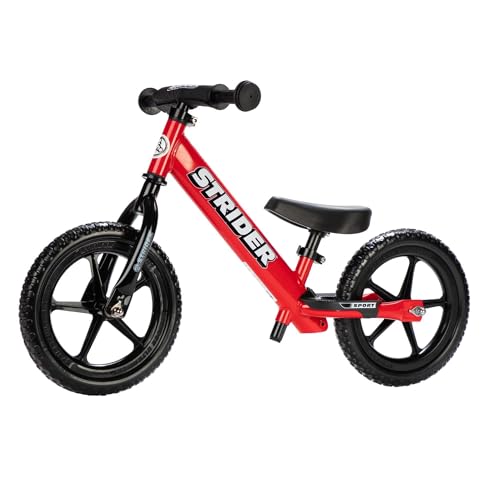
The Strider Sport is an all-around balance bike designed for early riders. It features a sturdy frame, a padded seat, a safety pad, and a reliable footrest. With a starting seat height of 11 inches and a handlebar range that grows to about 17 inches, kids can straddle comfortably from a young age. No tools are needed to adjust the height, and the foam tires ensure maintenance-free use without flats. This model emphasizes confidence-building through balance and steering practice, helping children transition smoothly to a pedal bike when ready.
As children grow, the Strider’s quick, tool-free adjustments accommodate increasing inseam lengths, making it suitable for a broad age span. The bike’s lightweight design and intuitive controls reduce the learning curve, enabling independent riding sooner. For parents seeking a reliable, long-lasting starter bike, the Strider Sport delivers consistent performance and kid-friendly ergonomics that support early motor skill development.
SEREED Toddler Balance Bike, No Pedals

The SEREED no-pedal bike showcases a wide carbon steel frame designed to withstand active play, with a generous weight capacity of up to 110 pounds. It starts with a 12.6-inch seat height and features a soft saddle, rubber grips, and a safe footrest pad for secure footing. A quick-release mechanism lets parents adjust seat height (12.6–17.1 inches) and handlebar height (19.6–22.5 inches) without tools. The absence of pedals focuses a child on balance and steering, fostering self-confidence as they master their first movements on two wheels. Additionally, a customizable plate and stickers offer personalization options for kids.
Durability and safety are central to this model, which makes it suitable for growing kids who will ride indoors or on light outdoor surfaces. The combination of a robust frame and tool-free adjustability means the bike can adapt to a child’s changing height and reach without complicated setups, delivering a practical balance bike experience for families seeking long-term use.
Youthkkee 12 Inch Toddler Balance Bike

Youthkkee’s 12-inch balance bike invites toddlers to build balance and coordination with a pedal-free design that emphasizes free rather than assisted motion. The model features a low center of gravity and an adjustable seat height to accommodate growing riders, ensuring a stable, confidence-building ride. While the product page emphasizes durability (capacity up to 110 pounds) and a modern, ergonomic aesthetic, the focus remains on teaching balance and steering before pedaling. Personalization options are available with a customizable plate for young riders who want to express their style.
Parents will appreciate the straightforward assembly and simple maintenance, as well as the bike’s ability to evolve with a child’s abilities. The Youthkkee balance bike is well-suited for kids who want a visually appealing, modern design while learning essential riding skills in a safe, supportive manner.
Bobike Toddler Balance Bike

Bobike’s toddler balance bike offers a robust, kid-friendly option designed for ages 2-5. The bicycle-style frame uses strong carbon steel, with adjustable seat and handlebar height to accommodate growing children. The assembly process is straightforward, and the bike emphasizes a close-to-bike feel to help kids transition from balance practice to a full pedal bike. The design focuses on safety and durability, making it a practical long-term choice for families seeking a reliable balance bike that can adapt as a child grows.
With its emphasis on adjustability and a familiar form factor, Bobike provides a familiar riding experience for children who are eager to explore balance and movement. The combination of durable construction and simple height adjustments makes it a solid option for everyday use, both indoors and on gentle outdoor surfaces.
bicystar 14 Inch Balance Bike

The bicystar 14-inch balance bike is designed for kids aged 3-7 to learn balance and steering without pedals. It grows with the child thanks to an adjustable seat height (and handlebar height, within a broad range), ensuring a comfortable fit as kids increase their riding ability. This model emphasizes a lightweight design, with the bike weighing around 10 pounds, making it easier for young riders to maneuver. The no-pedal design encourages natural balance development while parents appreciate the straightforward, tool-free adjustments and durable construction that accommodate everyday use.
Its lightweight frame and adjustable setup are ideal for children who are ready to advance from basic balancing to more dynamic riding. The balance-focused approach reduces cognitive load and helps kids build confidence faster, supporting early motor skill development and a smoother transition to pedal bikes later on.
Buying Guide
Key purchase considerations
- Age and height match: Choose a model with an adjustable seat and handlebar range that fits your child’s current height and allows growth.
- Weight capacity: Ensure the bike can support your child’s weight as they grow to avoid early wear or safety concerns.
- Adjustability without tools: Tool-free height adjustments are convenient for quick crescita and frequent users.
- Durability and frame material: Look for robust frames (typically steel) and durable components to withstand daily use and minor falls.
- Wheels and tires: Foam or air-free tires reduce maintenance and flat risks; consider grip quality for varied surfaces.
- Safety features: Footrests, brake options (if any in pedal-free designs), and secure saddle grips contribute to a safer ride.
- Weight of the bike: Lighter bikes are easier for kids to maneuver, especially when learning balance.
- Personalization: Some models offer plates or stickers for customization, which can boost a child’s interest and ownership.
Head-to-head comparisons
- Best for quick progression: Strider Sport offers tool-free adjustments and reliable, maintenance-free tires, ideal for families wanting fast setup and easy growth with the child.
- Best value and customization: SEREED models combine adjustable heights with personalization options and solid frame strength, appealing to kids who enjoy self-expression.
- Best for portability: Lightweight options like bicystar’s 14-inch bike balance weight around 10 pounds, making it easier for kids to lift and maneuver.
- Best for durability and safety: Bobike emphasizes adjustable components and a sturdy build with straightforward assembly, suitable for frequent use and growth.
- Best for wider age range: The 12- to 14-inch classes cover a broad age span (roughly 2 to 7 years), enabling parents to select a bike that remains usable for several years.
When selecting a no-pedal bike, consider your child’s current ability, the environments they’ll ride in, and how long you expect the bike to serve as they grow. A balance-focused learning tool that aligns with a child’s stature and development stage typically yields the most engaging and safe learning experience. Compare adjustable ranges, weight, and durability across options to identify the balance bike that best supports steady progress from first glides to confident, pedal-powered rides.