Fat-tire bikes deliver confidence and traction across sand, snow, mud, and rugged trails. This guide highlights five strong options that suit riders from kids to adults and from casual weekend explorers to more confident trail enthusiasts. Each pick balances grip, durability, and value, with features tailored to fat tires and wider rims. The selections focus on 26-inch and 20-inch platforms to cover a range of rider sizes and terrains.
| Product | Brand | Key Feature Highlight |
|---|---|---|
| Max4out 26-Inch Fat Tire Mountain Bike | Max4out | 21-speed drivetrain, front suspension, reinforced frame |
| Mongoose Argus Sport Fat Tire Mountain Bike | Mongoose | 26-inch wheels, 4.8″ fat tires, Tectonic T2 aluminum frame |
| Mongoose Argus ST Fat Tire Mountain Bike For Kids | Mongoose | 20-inch wheels, 4″ fat tires, aluminum frame |
| Hycline Fat Bike Tire 26×4.0 | Hycline | Open aggressive tread, 20 PSI max, strong traction |
| MOHEGIA Fat Bike Tire 26×4.0 | MOHEGIA | 30 TPI, aggressive tread, 20 PSI max, good grip |
Max4out 26-Inch Fat Tire Mountain Bike

The Max4out model presents a robust chassis designed for everyday thrill-seekers who want dependable performance. Its reinforced high-carbon steel frame provides a solid backbone for rough paths, while a 21-speed drivetrain enables smoother climbs and better speed management on varied grades. The front suspension system helps dampen impacts from rocks, roots, and uneven dirt roads, improving comfort and control as you traverse mixed terrain. This bike targets riders who want a versatile fat-tire option suitable for both casual weekend rides and more challenging weekend excursions. The emphasis on a durable frame helps it stand up to frequent use and rough trails.
Riders considering the Max4out should note that the combination of a broad wheelbase and fat tires demands careful handling on tight singletrack and tight turns. The 21-speed setup provides flexibility for steep hills, shallow grades, and mixed surfaces, though it may take some time to optimize shifting for personal preference. Maintenance tasks, including keeping the front suspension lubricated and inspecting the frame for stress points, will help maximize longevity. Overall, this model balances durability with a straightforward, approachable ride that’s well-suited for riders who want a capable fat-tired mountain bike without breaking the bank.
Mongoose Argus Sport Fat Tire Mountain Bike

The Mongoose Argus Sport is engineered for riders who crave all-terrain capability with a focus on performance. Featuring 26-inch wheels and 4.8-inch knobby fat tires, this bike offers substantial traction for loose surfaces such as sand, snow, and gravel. The lightweight yet durable Tectonic T2 aluminum hardtail frame and an aluminum rigid fork contribute to a nimble ride that’s responsive and easy to maneuver. Hydraulic disc brakes deliver reliable stopping power in mixed conditions, enhancing rider confidence on downhill sections and steep approaches. This model aims at adult riders seeking a capable, all-season fat-tire bike for varied trails.
Key considerations for the Argus Sport include weight distribution and braking performance in wet or muddy conditions. The aluminum construction helps keep weight manageable, aiding acceleration and handling on loose terrain, but riders should be mindful of tire pressure to maximize grip. Regular inspection of wheel rims, disc rotors, and the fork will help ensure consistent performance across seasons. For riders who want a versatile fat-tire bike with modern components, the Argus Sport provides strong all-around capability and value.
Mongoose Argus ST Fat Tire Mountain Bike For Kids

The Argus ST is designed to fit younger riders who still want to explore challenging trails. With 20-inch wheels and 4-inch fat tires, this bike provides bite and traction that help kids navigate dirt, gravel, sand, and even light snow. The aluminum frame contributes to lightness, making handling easier for smaller riders while maintaining durability for long-term use. The large-fat-tire concept enhances stability on varied terrains, which is especially beneficial as kids gain confidence and skills. This model emphasizes grow-with-you practicality and safety as young riders push into more advanced routes.
Parents and guardians should look for proper fit, saddle height, and handlebar reach to ensure a comfortable riding position for kids. Regular checks on the brake cables, wheel bearings, and tire tread depth will extend the bike’s lifespan and keep young riders safe on diverse surfaces. For families seeking a budget-friendly, kid-friendly fat-tire option, the Argus ST offers approachable geometry and traction-oriented tires that encourage exploration without complexity.
Hycline Fat Bike Replacement Tire 26×4.0

The Hycline fat tire focuses on sure-footed grip and traction across a variety of surfaces. Sized at 26×4.0 inches with a 30 TPI casing, it is designed to support low to moderate inflation up to 20 PSI, providing a broad footprint that enhances soil penetration and mud clearing. The tread pattern emphasizes open channels and tight convex knobs that contribute to confident braking and cornering on hard surfaces as well as softer ground. This tire is suitable for riders looking to refresh a fat-tire bike with a rugged, reliable tire that performs well in mixed conditions.
Riders should monitor tire pressure to preserve tread contact with the ground and avoid pinch flats on rough terrain. Proper installation is essential to prevent bead failure, especially when using tubeless setups or heavy loads. The Hycline tire’s breadth makes it a practical replacement for riders who want predictable grip and stability on trails that switch between dirt, gravel, and pavement.
MOHEGIA Fat Bike Tire 26×4.0
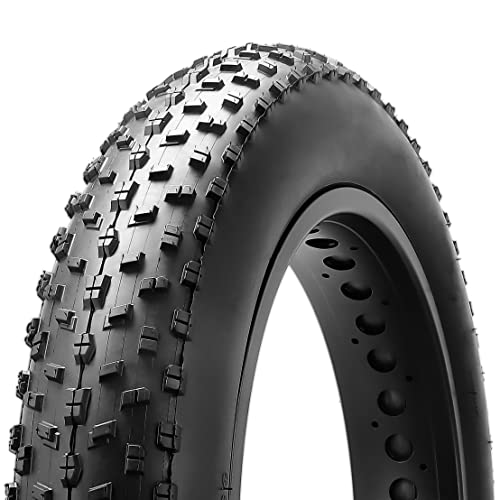
The MOHEGIA fat tire is built to balance grip and rolling resistance across diverse surfaces. With a 26×4.0 size and 30 TPI construction, it accommodates a solid footprint that distributes weight evenly. The tire supports inflation up to 20 PSI and features an aggressive tread pattern designed to deliver traction on pavement and loose dirt alike. Wide tire volume contributes to stability, providing steady handling while cornering and traversing uneven ground. The MOHEGIA tire is well-suited for riders who want reliable performance in mixed-terrain riding without sacrificing turning radius or acceleration.
For riders focusing on versatility, this tire offers a durable option that works well on both trails and city streets. Regular inspection of the bead, tread wear, and alignment with the rim will help maintain performance. Riders should ensure compatible rims and adequate clearance in the frame and fork to prevent rubbing on tight turns or when leaning into corners on rough surfaces.
Buying Guide
Rider Type And Bike Size
Fat-tire bikes come in sizes and configurations that suit different ages and heights. For kids, smaller-wheel models with 20-inch rims provide manageable handling and build confidence on varied surfaces. Adults typically prefer 26-inch tire systems for traction and stability on loose ground. Assess rider height, inseam length, and preferred riding terrain when selecting tire width and frame size. A well-fitting bike helps maintain control and reduces fatigue over longer rides.
Wheel And Tire Size Compatibility
Common fat-tire categories include 20×4.0 and 26×4.0 inches. Larger tires offer more grip and float on soft surfaces but may affect acceleration and turning radius. Ensure the frame clearance, fork width, and brake compatibility align with the chosen tire size. When upgrading or replacing tires, verify that the wheel diameter matches the tire specification and that the rims can support the tire’s width without rubbing. For riders experimenting with different terrains, a 26×4.0 setup often provides a versatile balance between float and speed.
Tread Pattern And Terrain
Knobby, aggressive treads excel in mud, sand, and loose dirt, while smoother patterns improve rolling efficiency on pavement and hard-packed trails. The examples here show a mix of aggressive tread designs and broad contact patches, suitable for off-road exploration and seasonal use. Consider the typical riding environment—sand and snow require deeper tread and wider tires, while urban commutes benefit from more moderate patterns. Matching tread to terrain helps optimize grip, braking, and overall ride quality.
Frame Material And Weight
Frame materials vary from steel to aluminum alloys. Aluminum frames generally reduce overall weight and improve maneuverability, which is advantageous for climbing and quick turns. Steel frames offer durability and a forgiving ride but add weight. For fat-tire bikes, a sturdy frame supports the broader tire footprint and higher load distribution. The right choice depends on rider weight, intended use, and maintenance preferences.
Maintenance And Replacement Parts
Key maintenance tasks include inspecting tires for wear, checking bead seats, and confirming proper tube inflation (where applicable). If compatibility with tubeless setups matters, verify bead integrity and rim tape. Replacement parts such as inner tubes and tire levers should be readily available, and regular checks on forks and frames help prevent mechanical issues on rugged routes. Keeping a small toolkit and pump on hand can simplify on-trail adjustments and repairs.
Value, Durability, And Warranty
Fat-tire bikes span a broad price range, often reflecting material quality, componentry, and intended use. Durable frames and well-designed tires typically deliver better long-term value by reducing maintenance needs and improving ride confidence. Review warranty terms on frames, wheels, and tires, and consider how quickly a component might need replacement after rough use. For families and casual riders, balancing cost with reliability remains a key factor in choosing a fat-tire bike or accessory kit.
Practical Recommendations
- For riders who want all-season versatility, a 26×4.0 tire with a light aluminum frame and hydraulic brakes offers a strong balance of grip and control.
- For kids or shorter riders, a 20-inch wheel setup with broad fat tires provides confident handling and traction on varied surfaces.
- When replacing worn tires, match TPI and width to your rim and fork clearance to preserve ride quality.
- Consider upcoming maintenance tasks and carry a small repair kit, particularly if riding in remote areas or on challenging terrain.