Choosing the right balance bike can support motor development, self-confidence, and independent play for children with sensory preferences or autism spectrum differences. This guide highlights five well-regarded no-pedal bikes, focusing on stability, adjustability, and ease of use. Each option offers a gentle path toward balance and steering mastery, helping kids age 2 to 9 explore riding at their own pace. Read on to compare design, safety features, and how these bikes can fit different needs and spaces.
| Product | Brand | Age Range | Key Benefit |
|---|---|---|---|
| Strider 12″ Sport Bike | Strider | 1–4 years | Low height, safety padding, and easy adjustments for early balance learning |
| Bixe 16-Inch Balance Bike Blue | Bixe | 4–9 years | Durable build with no-pedal design to master balance and steering |
| SEREED Toddler Balance Bike | SEREED | 2–5 years | Quick-release, tool-free height adjustments for growing kids |
| Schwinn Elm Koen Balance Bike | Schwinn | 3–9 years (height-based) | Grow-with-child design with adjustable seat and ergonomic setup |
| Bobike Toddler Balance Bike | Bobike | 2–5 years | Sturdy, adjustable seats and handles for evolving riders |
Strider 12 Inch Sport Balance Bike
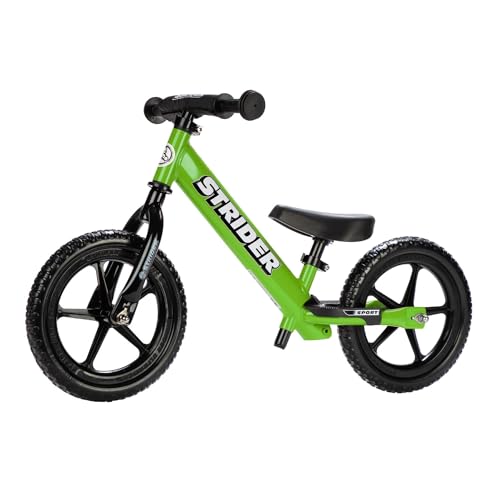
Strider’s 12” Sport Balance Bike is designed for the youngest riders to begin balancing and steering with little risk. The no-pedal design lets children as young as one years old experience the feel of riding while keeping feet on the ground for confidence. It includes a padded seat, safety pad, mini grips, and flat-free tires, plus tool-free assembly and height adjustments. These features support predictable, repetitive practice—helpful for children who benefit from sensory or routine-based activities. The bike’s light frame makes it easy for caregivers to guide early lessons without overwhelming a child who prefers a calm, controlled ride.
- Lightweight, durable frame for easy handling
- No-pedal design supports early balance learning
- Padded seat and safety features for comfort and security
- Tool-free assembly and adjustable height
Bixe 16-Inch Balance Bike Blue

The Bixe 16-Inch Balance Bike is built for kids aged roughly 4 to 9 years. Its no-pedal design helps children focus on balance and steering before transitioning to a pedal bike. The frame and clamps are designed with durability in mind, and safety washers on the wheels add an extra layer of protection. For autistic or sensory-friendly learners, the predictable setup and low-pressure practice can support steady skill development while reducing anxiety around new activities. The bike’s size accommodates growing riders and supports longer-term use.
- No-pedal learning promotes balance-first skill development
- Durable construction with tamper-proof clamps
- Safety-focused features such as wheel washers
SEREED Toddler Balance Bike

SEREED’s toddler balance bike is designed for early riders, with a sturdy carbon steel frame and a starting seat height of 12.6 inches, supporting weight up to 110 lbs. The quick-release mechanism allows tool-free adjustments to the seat and handlebars, making growth easier for families. The no-pedal design helps children learn balance and steering, fostering self-confidence and smoother transitions to pedal bikes. The bike also includes a customizable plate and stickers, which can provide a comforting, familiar element for autistic riders who appreciate personalization and predictability in their gear.
- Quick-release, tool-free height adjustments
- Strong steel frame supports active young riders
- Personalization options with stickers and plate
Schwinn Elm Koen Balance Bike
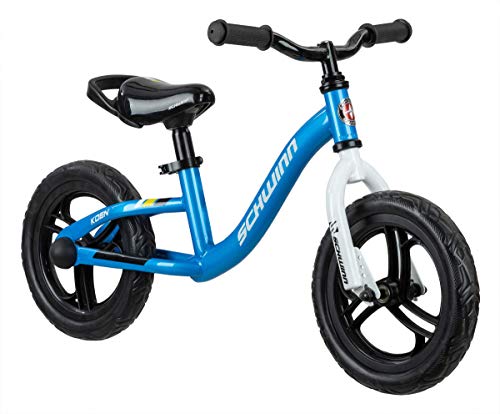
The Schwinn Elm Koen Balance Bike is designed to grow with your child, featuring 12–20 inch wheels and an adjustable seat for a comfortable height range. This bike supports easy rides and confidence-building through a straightforward, single-speed design that helps kids focus on balance before pedaling. The adjustable seat allows the bike to accommodate height growth, which reduces the need for frequent replacements. For children who prefer a structured, predictable path toward independent riding, Schwinn’s ergonomic setup offers a familiar, parent-approved option.
- Grow-with-child design with adjustable seat
- 12–20 inch wheels ideal for transitioning to bigger bikes
- Simple drivetrain supports easy, confidence-building rides
Bobike Toddler Balance Bike Green

Bobike’s toddler balance bike is designed for ages 2–5, with a strong carbon steel frame and adjustable seats and handles to grow with a child. It offers quick assembly and a two-wheeled no-pedal experience that supports early balance and walking fundamentals. For autistic riders who benefit from steady, straightforward setups, the Bobike design emphasizes durability and ease of use, helping children feel secure as they practice balance, gliding, and steering in a controlled environment.
- Adjustable seat and handlebar for growing children
- Durable steel frame designed for daily use
- Short, simple assembly process
Buying Guide
Key factors to consider when selecting a balance bike for an autistic child include size, adjustability, safety, and sensory comfort. Start with a bike that fits the child’s current height well, and prioritize models with adjustable seats and handlebars to grow with them. Look for low step-through frames that reduce anxiety and encourage independent mounting. Consider wheel size and tire type for stability and traction on your typical riding surfaces. No-pedal designs support balance-first learning, but some families may prefer basic braking options for older children who are ready. Personalization options, such as stickers or plates, can also provide a comforting sense of ownership and routine.
Size And Growth
Choose a bike that allows the child to place both feet flat on the ground when seated. Taller children will require larger wheels and higher seat positions, so models with quick-release or tool-free height adjustment help minimize equipment changes as growth occurs.
Safety And Comfort
Look for padded seats, soft grips, and protective features like safety pads. Low-slung frames and stable geometry reduce tips and falls, while flat-free or puncture-resistant tires support reliable traction without frequent maintenance. If noise sensitivity is a factor, select tires with quieter tread and smoother bearings.
Learning Path And Skill Transfer
No-pedal balance bikes encourage early balance and steering practice, which can ease later transitions to pedal bikes. For some children, a longer balance phase helps with motor planning and confidence, while others may progress faster to pedaling. Consider a model that can grow with your child and offers an optional pedal-ready transition later if needed.
Sensory And Personalization Considerations
Personalization features, such as customizable plates or stickers, may provide predictable and comforting routines for children who benefit from familiar visuals. A bike with predictable assembly and straightforward controls reduces potential frustration during setup and practice sessions.