Choosing the best scooter for a child combines safety, age-appropriateness, and long-term usability. This guide highlights five standout options that blend fun with solid build quality, teach balancing and coordination, and adapt as kids grow. From three-wheel beginner models to off-road electrics and compact folding scooters, these picks cover different terrain, skill levels, and portability needs. Each option emphasizes durability, safety features, and ease of use for American families looking for trusted brands and reliable performance.
| Product | Brand | Notes |
|---|---|---|
| Gotrax KS1 LED Kick Scooter | Gotrax | Three-height handlebars, LED wheels, lean-to-steer; suitable for ages 2-8, up to 100 lbs; lightweight and portable. |
| Gyroor G13 All Terrain Balancing Scooter | Gyroor | Dual motors, off-road tires, LED visuals, long battery life; supports riders up to 176 lbs; Bluetooth speaker option. |
| Segway Ninebot E10 Kids Electric Scooter | Segway | Lightweight and foldable; 150W motor, up to 10 mph; suitable for kids and teens, max load 132 lbs. |
| Razor A Kick Scooter | Razor | All-metal aluminum frame; lightweight; folding mechanism; adjustable handlebars for growing riders. |
| GoScoot MAX Three-Wheel Scooter | New Bounce | Lean-to-steer, adjustable handlebar (23″-30″), foldable design, ABEC-7 bearings, wide deck for balance. |
Gotrax KS1 LED Kick Scooter

The KS1 by Gotrax is designed as a first scooter that blends safety with simple handling. It features three adjustable handlebars to accommodate growing children, with height settings at 33.7, 31.9, and 29.9 inches. The Lean-to-Steer mechanism helps young riders learn balance by leaning to steer, rather than turning a traditional handlebars-only approach. A standout element is the LED-illuminated three-wheel setup, which not only looks appealing but enhances visibility in dim light, contributing to safety for after-school rides or evening fun. Weighing about 5.1 pounds, the KS1 emphasizes portability and easy storage, and its quick-disassembly design—press the red button on the stem to remove or reattach—makes it car-trunk friendly for families on the go. Suitable for ages roughly 2–8 and up to 100 pounds, this model aims at the entry level with a focus on stability and gradual skill progression.
The KS1 prioritizes a lightweight build yet maintains enough sturdiness for daily use. Parents will appreciate the stable deck and anti-slip surface, which complement the low center of gravity. While it is not an electric scooter, the bright wheel glow and secure handgrip give kids confidence as they master basic propulsion and steering. For neighborhoods and parks, the KS1 offers a gentle introduction to scooting, helping children build balance and coordination before stepping up to higher-performance models.
Gyroor G13 All Terrain Balancing Scooter

The Gyroor G13 is built for off-road adventures, combining two 250W motors with rugged, sixth-gear-grade tires designed to handle dirt, turf, and gravel. This self-balancing scooter supports riders up to 176 pounds and can tackle moderate inclines up to 15 degrees, making it suitable for older kids and adults seeking a more adventurous ride. Lighting is a focal point, with LED wheel illumination and bright headlights improving visibility and enthusiasm during dusk sessions. The G13 packs a 37V/2Ah lithium battery, delivering up to eight miles on a single charge, and a Bluetooth speaker adds a music element to the ride for a more engaging experience.
Riders should consider the weight and terrain requirements, as the G13 is larger and heavier than typical entry-level scooters. Its advanced features, including off-road capability and Bluetooth functionality, provide a more premium experience, which may be better suited for frequent outdoor use and longer sessions. Proper protective gear remains essential, especially on uneven surfaces and at higher speeds.
Gyroor Balancing Scooter G13 All Terrain, Black

This variant mirrors the G13 all-terrain design with dual 250W motors and rugged off-road tires, enabling control across a variety of surfaces. LED wheel lighting and dual headlights enhance visibility, while the 37V/2Ah battery supports a practical travel range of roughly eight miles on a charge. The built-in Bluetooth speaker adds entertainment value during rides. The dual-motor power and superior grip of the tires make the G13 a strong option for kids who want more than a basic ride and are ready for a bit more speed and challenge.
As with all high-powered personal mobility devices, safety comes first. Ensure proper protective gear and supervise younger riders, especially when exploring uneven or unfamiliar terrain. The G13 is ideal for families seeking a more capable off-road experience that remains portable enough for occasional transport to parks or trails.
Segway Ninebot E10 Kids Electric Scooter
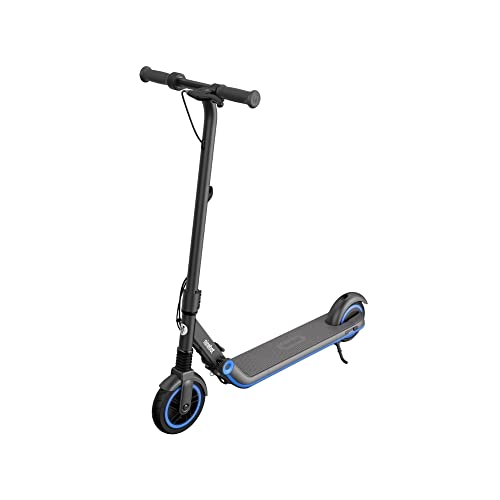
The Segway Ninebot E10 is a lightweight electric scooter designed for children and early teens. With a 150W motor, it can reach speeds up to about 10 mph and travel roughly 6.3 miles on a charge. It’s built with safety in mind, featuring a high-performance handbrake system and EBS energy recovery brake, with a rear fender brake as a secondary stop. Front suspension helps cushion bumps, delivering a smoother ride on sidewalks and paved paths. At roughly 18.7 pounds, the E10 is portable enough to fold and carry, combining portability with a modern, child-friendly design. It’s suited for riders roughly 4’3″ to 5’3″ in height and a maximum load around 132 pounds.
For parents evaluating electric scooters, the E10 offers a balanced mix of safety, maneuverability, and ease of use. It’s a practical choice for daily commutes to school or a longer weekend ride, while the foldability makes storage convenient in apartments or garages. As with all electric rides, supervision and safe riding practice are essential, particularly for younger riders who are new to powered mobility.
Razor A Kick Scooter

The Razor A Kick Scooter is an enduring classic focused on lightweight, durable design. Its aluminum frame provides a good balance of strength and portability, making it easy for kids to carry and store between rides. The original folding mechanism allows quick collapse for transport in a car or trunk. The height-adjustable handlebars accommodate children as they grow, ensuring a comfortable ride over time. While it doesn’t include electronic features or lights, its simple mechanics, reliability, and smooth ride have made it a staple choice for beginners seeking a sturdy, no-fruss setup that still delivers on performance and safety.
Razor emphasizes simplicity and longevity here. It’s well-suited for neighborhoods, sidewalks, and school commutes where a lightweight, dependable scooter is preferred. Parents may appreciate the straightforward maintenance and the absence of batteries or electronics, which reduces repair concerns and ongoing charging needs.
GoScoot MAX Three-Wheel Scooter
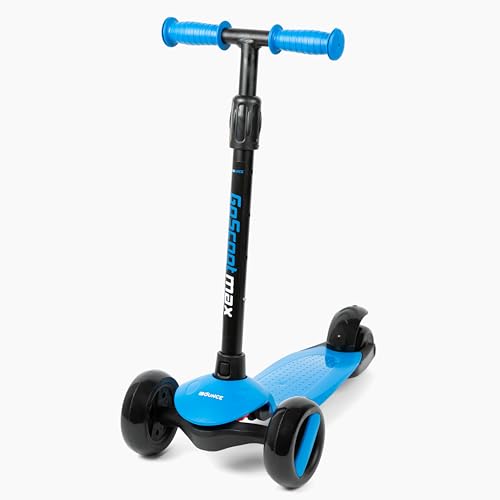
The New Bounce GoScoot MAX is designed for toddlers and younger kids with a three-wheel setup that emphasizes stability. The lean-to-steer mechanism helps children learn balance and steering with intuitive, low-effort control. The handlebar height is adjustable from 23″ to 30″, allowing the scooter to grow with the child. A low-profile deck and ABEC-7 bearings support a smooth ride, while the three-wheel configuration provides a stable base for early riders. The GoScoot MAX also folds for storage and portability, making it a practical option for families who travel or need to store a scooter in small spaces.
Ideal for beginners, this model prioritizes safety, balance, and ease of use over speed. It’s a strong choice for younger children stepping away from push toys toward independent scooting, with a focus on stability and confidence-building transitions from walking to gliding.
Buying Guide
Key purchase considerations help families compare options across features, safety, and practicality.
- Age and weight capacity: Choose a scooter that matches the child’s age and weight range. Three-wheel models often suit younger beginners, while older kids may benefit from higher weight limits and greater speed potential.
- Steering and stability: Lean-to-steer designs encourage balance but may take longer to master. Traditional handlebars offer familiar steering but some children grow out of them quickly.
- Portability and storage: Lightweight, foldable designs make car trips and apartment storage easier. Consider whether you need disassembly features for travel or frequent transport.
- Safety features: LED lighting, reflectors, non-slip decks, sturdy brakes, and reliable locking mechanisms contribute to safer rides, especially in low-light conditions.
- Terrain suitability: Three-wheel scooters excel on smooth surfaces and gentle ramps, while off-road or larger electric models suit parks, trails, and varied terrain.
- Power and speed (for electric models): Battery life, charging time, and top speed should align with the child’s experience level. Start with slower speeds and gradually increase as skills improve.
- Durability and materials: Aluminum frames and reinforced decks support longer use. Check warranty details and potential upgrade options as kids grow.
- Maintenance and repair: Simple mechanisms and widely available replacement parts reduce downtime and keep scooters in safe riding condition.
- Budget considerations: Prices vary by features and power. Balance upfront cost with durability, longevity, and the child’s enthusiasm for scooting.
- Brand reputation and safety certifications: Reputable brands often provide validated safety standards and customer support, which can be valuable for families new to scooters.
In summary, the best choice depends on the child’s age, skill level, and how the scooter will be used—whether for casual neighborhood rides, park adventures, or travel-friendly commuting. For beginners, three-wheel, lightweight models with simple steering and good safety features offer the easiest learning curve. For more experienced riders, off-road or electric options provide longer ride times and additional performance, while still prioritizing safety and quality construction. Evaluating these factors will help families select a scooter that delivers lasting value and enjoyable, safe experiences for kids.