Wooden scooters and kid-friendly, three-wheeled designs offer a durable, gravity-friendly way for toddlers to develop balance, coordination, and confidence. This guide highlights five top choices that blend sturdy construction with engaging features like adjustable height, LED wheels, and safety-forward design. Each option supports growing riders, from early push-and-glide stages to independent scooting, on indoor gym floors or outdoor pavements. Explore versatile models that fit classrooms, playrooms, and backyards alike, with attention to safety, ease of use, and durability for everyday use.
| Product | Brand | Key Benefit |
|---|---|---|
| Wooden Sitting Scooter Board with Universal Wheels | Arkyomi | 360° wheels for versatile movement on flat surfaces |
| Wooden Scooter Board | Siairo | Sensory-friendly design and easy connectable sections |
| My First Scooter | Radio Flyer | Three wheels and wide deck for stability |
| Purple Mini 3 Wheel Scooter | Campior | LED light-up wheels and lean-to-steer control |
| TONBUX Kids Scooter | TONBUX | Height-adjustable, foldable with light-up wheels |
Arkyomi Wooden Sitting Scooter Board

The Arkyomi wooden sitting scooter offers 360-degree rotating wheels, enabling multi-direction movement on flat indoor or outdoor surfaces. Its design suits gym class setups and home playrooms alike, supporting a seated or semi-reclined stance as kids push and glide. The wheel configuration encourages active movement and helps develop core strength in both the upper and lower body while providing a fun, engaging activity for toddlers aged around three and up. The board-style scooter emphasizes simple, intuitive riding with a stable, low-profile design that minimizes tipping risk during play.
Siairo Wooden Scooter Board

The Siairo wooden scooter board focuses on sensory integration and social play. Its 360° movement and a stable triangular structure enable smooth, quiet rolling, with four wheels designed to be gentle on floors. The embedded connection bayonet allows linking multiple boards for cooperative riding, encouraging sharing and interactive play. Safety features include hollow handles and comfortable grips to protect fingers, plus back-support contours on the board to reduce the risk of tipping backward. This model suits indoor classrooms, playgrounds, and family rooms, supporting children’s early physical education goals.
Radio Flyer My First Scooter
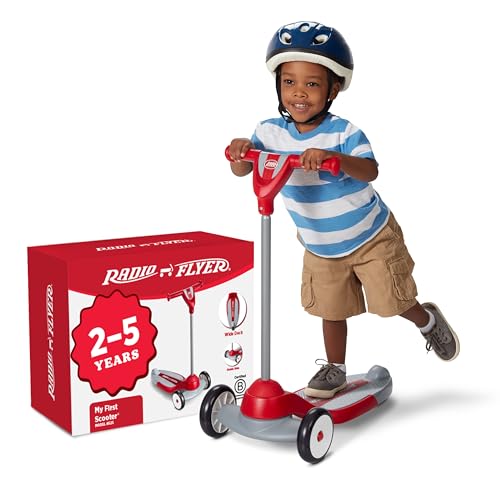
Radio Flyer’s My First Scooter is designed as a beginner’s ride with three wheels and a wide, textured deck for enhanced stability. The front wheels provide a clear kick-path, helping young riders develop balance and coordination without sacrificing safety. A thoughtfully designed turning radius supports safe steering as new riders gain confidence. The broad base increases traction and reduces wobble, making this model a dependable stepping stone from assisted glides to independent scooting, ideal for toddlers aged two to five years old.
Purple Mini 3 Wheel Scooter
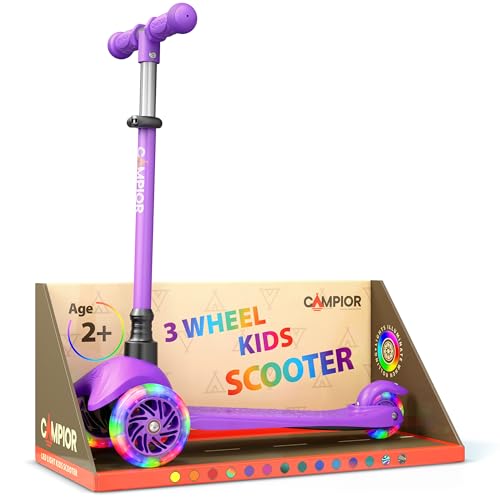
The Purple Mini 3 Wheel Scooter combines lean-to-steer control with LED wheels for visually engaging rides. The adjustability of the T-bar handlebar includes four height settings, allowing the scooter to grow with a child from about age two up to roughly 110 pounds. LED wheels add visibility and excitement during low-light play sessions, while the sturdy three-wheel design supports stable starts and controlled glides. Its smooth PU wheels are designed for quiet operation on indoor floors and outdoor pavement alike.
TONBUX Kids Scooter

TONBUX offers a versatile, three-wheel scooter with multiple height settings, tailored for children aged 3 to 12. The scooter features a foldable, adjustable stem with enhanced safety due to double-locking mechanisms that replace older collar clamps. Light-up PU wheels provide motion-activated visibility, adding a fun element to every trip while helping caregivers monitor riders in dim conditions. The space-efficient, foldable design makes it convenient for storage and transport between home and school playgrounds, making it suitable for growing kids and busy families.
Orange Mini 3 Wheel Scooter

The Orange Mini 3 Wheel Scooter mirrors the purple sibling with LED wheels and lean-to-steer controls. Its adjustable T-bar handlebar provides a similar four-position height range for growing riders, ensuring a stable ride as kids mature from toddlers to early elementary ages. The wide anti-slip deck, combined with quiet PU wheels, supports confident starts and smooth cornering on varied surfaces, from gym floors to driveways.
QPlay Toddler Scooter

QPlay’s 5-in-1 growing design evolves with a child from early guided push to independent kicking, with three wheels and an adjustable push handle height. The scooter features lights on the deck and wheels to boost visibility and engagement, while the platform and three-wheel setup deliver a stable experience for toddlers transitioning to independent driving. It meets US safety standards and provides a practical, all-in-one solution for growing riders who want to stay outdoors and active.
Buying Guide
When choosing a wooden or toddler scooter, consider the following factors to ensure safety, longevity, and value:
- Stability and age range: Three-wheel designs generally offer more stability for younger riders, while four-wheel variants can offer smoother long-term use as balance improves.
- Adjustability: Look for height-adjustable handlebars and decks to accommodate growing children and prolong the scooter’s usefulness.
- Materials and construction: Wooden or composite boards with sturdy frames tend to endure wear from indoor/outdoor use; ensure components are non-toxic and well-assembled.
- Wheels and tires: PU or foam wheels reduce floor scuffing and offer quiet operation; larger wheels improve ride comfort on uneven surfaces.
- Safety features: Non-slip decks, reliable braking (rear foot brake or hand brake depending on model), and secure grips reduce injury risk during play.
- Portability and storage: Folding designs or compact builds help with transport to parks, schools, or daycare centers.
- Maintenance: Check replaceable parts (wheels, bearings, handlebars) and cleaning needs to keep the scooter in good condition over time.
In evaluating the options above, parents and caregivers should balance the desire for wooden aesthetics with practical considerations such as growth, usage environment, and safety features. For indoor gym use, models with quiet, floor-friendly wheels and stable platforms minimize noise and risk on polished surfaces. For outdoor play, durability, traction, and weather resistance become more important. Across all choices, a scooter that adapts to a child’s development period while maintaining strong safety standards offers the best long-term value.