Choosing the right scooter board can support children with autism by encouraging safe, sensorily rich gross motor play indoors. The five picks below combine sensory-friendly design, quiet wheels, and durable construction suitable for classrooms, therapy rooms, and home use. Each option offers easy setup, portability, and safety features that help kids explore scooting, gliding, and steering in a controlled environment. The table below provides a quick snapshot of the standout characteristics to help caregivers decide which board fits a given space and activity level.
| Product | Brand | Key Benefit | Notes |
|---|---|---|---|
| Chidiam Autism Sensory Scooter Board (Blue) | Chidiam | Sensory training and balance | Indoor/outdoor versatility |
| Chidiam Autism Sensory Scooter Board (Swivel Wheels) | Chidiam | 360° silent swivels | Excellent for quiet indoor use |
| hand2mind Purple Indoor Scooter Board | hand2mind | Core strength and coordination | Durable plastic, easy to clean |
| hand2mind Blue Indoor Scooter Board | hand2mind | Gross motor development | Bright colors, safe handles |
| AVLA 4 Pack Sports Scooter Board With Handles | AVLA | Value pack for group activities | Up to 175 lbs, multiple colors |
Chidiam Autism Sensory Scooter Board (Blue)
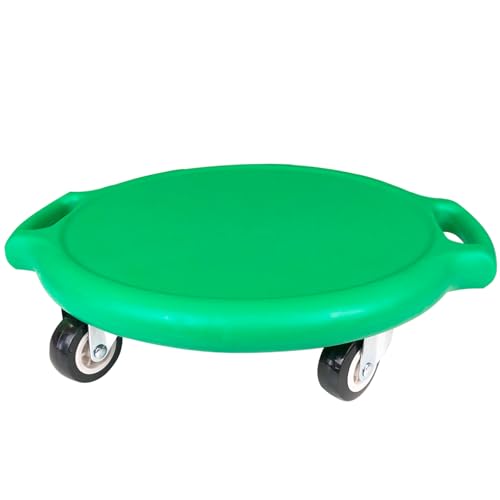
The Chidiam autism sensory scooter board is designed to support vestibular and proprioceptive input, helping develop balance and coordination during indoor play. It suits classrooms, therapy rooms, and home spaces where sensory-friendly activities are prioritized. No assembly is required, enabling immediate use and rapid integration into routines that build gross motor skills through seated or light-standing scooting. The durable plastic deck stands up to daily sessions and is easy to clean between activities, making it a practical tool for ongoing motor development.
Safety and control are central to this design. Stable handles keep fingers away from rolling wheels while offering steering and confident control. The wheels glide smoothly and quietly on most indoor floors, minimizing noise and floor scuffs in shared spaces. The bright color and simple stance invite active participation, while the solid construction provides reliable stability for progressive gait and balance work as part of a therapy or classroom plan.
Chidiam Autism Sensory Scooter Board (Swivel Wheels)
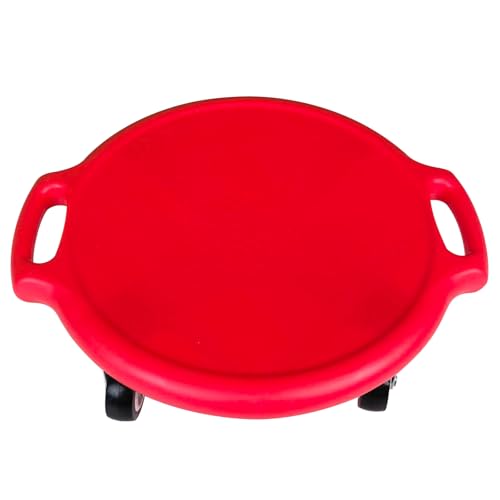
This model features 360° rotating silent swivel wheels with an anti-slip rubber coating and double bearings for smooth, quiet movement. The swivels enable easy maneuvering in tight classroom spaces, encouraging kids to practice turning, reversing, and steering with precision. The wheels are designed to leave no marks on floors or walls, supporting use in shared environments where floor protection matters. With a lightweight build and pastel color options, the board remains approachable for younger children while offering dependable mobility during sensory and gross motor activities.
Key specs emphasize safety and simplicity: no complicated assembly, a compact footprint, and a maximum load of about 80 kg (176 lb). The soft, pastel colors are engaging and inviting, helping children stay engaged during therapy or indoor play. This board works well for both structured activities and free exploration that builds confidence in movement and spatial awareness.
hand2mind Purple Indoor Scooter Board

The hand2mind purple scooter board mirrors the blue version with a focus on gym-style activities, indoor recess, and physical education. Kids can scoop, glide, and roll to build core strength and coordination in a safe seated or light-standing position. The hard plastic deck is durable, bright, and easy to clean, making it suitable for daily use in classrooms and homes. The safety handles provide clear grip and control, helping children manage balance while minimizing the risk of pinched fingers as wheels move smoothly beneath the deck.
Its compact design and vibrant color are attractive to children, supporting sustained engagement during activities that target gross motor skills. The board’s straightforward construction reduces setup time for teachers and caregivers, enabling quick transitions between different sensory or motor tasks. It is a practical option for sensory-friendly environments where predictable movement supports regulation and focus.
hand2mind Blue Indoor Scooter Board

Like the purple version, the blue variant emphasizes indoor gross motor activities that improve coordination in a controlled setting. It’s designed for kids to scoot, glide, and roll while building core strength in a safe, seated, or light-standing format. The deck’s hard plastic construction resists daily wear and is simple to wipe down after sessions. The safety handles help guide movement and reduce the likelihood of misalignment during turns, offering a stable platform for motor skill practice and sensory-friendly play.
Built for everyday use, this board suits classrooms, therapy corners, and home play areas where quiet operation and easy maintenance are valued. The bright blue color can be a strong visual cue for focus and engagement, supporting structured activities that emphasize balance, coordination, and safe mobility without overwhelming sensory input.
AVLA 4 Pack Sports Scooter Board With Handles

This value-packed option gives four portable scooter boards, each with handles and plastic casters designed to be gentle on floors. The wide base and safety handles help children maintain control during scooting, spinning, and gliding activities, supporting motor skill development in a group setting or at home. Each board is built to withstand daily use, with durable plastic wheels that won’t scratch indoor surfaces. The set is ideal for small classrooms or family therapy time where multiple children can engage in motor play simultaneously.
With a maximum weight capacity around 175 lb per board, the AVLA set accommodates a range of ages and sizes. The varied colors help with turn-taking and attention, while the compact 11×11 inch base makes storage easy between activities. These boards support repetitive practice of gross motor skills, balance tasks, and core strengthening exercises in a non-intimidating, sensory-friendly way.
Buying Guide
When choosing a scooter board for autism or sensory play, consider how the board will be used most often: home, classroom, or therapy setting. Weight capacity matters to accommodate growing children, while wheel design influences indoor noise and floor impact. Look for models with 360° swivels or smooth rolling wheels for easy maneuvering in tight spaces and reduced friction on wood or tile floors. Safety features such as sturdy handles, non-slip decks, and rounded edges help minimize injury risks during dynamic activities.
- Weight Capacity: Select a board that comfortably supports the child’s current and anticipated weight, plus a margin for growth.
- Wheel Type and Noise: Quiet, smooth wheels reduce distractions and are better suited for shared living or learning environments.
- Safety and Stability: Handles, non-slip surfaces, and stable decks promote confidence and safer exploration during movement tasks.
- Durability and Cleaning: Durable plastic decks that resist scuffs and are easy to wipe down support frequent use and hygiene.
- Indoor vs. Outdoor Use: Some boards are optimized for indoor floors, while others handle occasional outdoor surfaces; check the recommended use area for each model.
- Portability and Storage: Compact bases and lightweight builds help families and teachers move gear between spaces and store it when not in use.
- Color and Design: Bright, engaging colors can encourage participation and reduce anxiety by providing predictable, friendly visuals.
- Therapy Alignment: For therapy or classroom goals, align board features with specific skill targets such as balance, core strength, or spatial awareness.
In summary, the best scooter board for autism balances sensory-friendly design with practical considerations like weight capacity, durability, and ease of use. For caregivers and educators, choosing a model with quiet wheels, safe handles, and straightforward setup supports consistent practice and reduces barriers to participation. When multiple children will use the same equipment, consider a value set or multiple color options to support social interactions and collaborative play while targeting gross motor development.