For users seeking mobility during lower leg recovery, a knee scooter or hands-free alternative can keep daily activities within reach. This guide compares five popular options, highlighting how each device supports independence, safety, and comfort. Explore practical features, use cases, and key considerations to choose the right knee scooter or crutch replacement for your needs.
| Product | Brand | Key Use | Notable Benefit |
|---|---|---|---|
| iWALK3.0 Hands Free Knee Crutch | iWALKFree Store | Lower leg injuries, post-surgery recovery | Hands-free mobility and stairs capability |
| Knee Scooter for Adults | BlessReach Store | Foot/ankle surgeries, leg injuries | Double-tube strength, 8-inch wheels |
| Deluxe Medical Knee Walker | BlessReach Store | Foot or calf injuries, post-surgery | All-terrain, padded knee support |
| Lightweight Knee Scooter | FVZZIN Store | Foot/ankle injuries | Foldable, adjustable, durable framing |
| Walker Knee Sling | Caredgitz Store | Non-weight bearing recovery | Soft knee pad, compact for indoor use |
iWALK3.0 Hands Free Knee Crutch
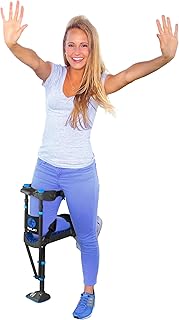
The iWALK3.0 offers a hands-free knee crutch experience designed to replace traditional crutches and knee scooters. It enables upright movement, including stairs, and aims to keep daily routines intact during lower-leg recovery. Use is conditional on meeting specified qualifications for use, as the product emphasizes suitability for motivated adults rather than elderly or balance-impaired individuals. It is positioned as a powerful alternative when independence is a priority and mobility must be maintained indoors and outdoors.
Knee Scooter for Adults With Dual Braking

This knee scooter is designed for foot and ankle injuries with a focus on safety and stability. The double-tube frame provides robust support, while 8-inch wheels offer smoother maneuverability. An ergonomic locking handbrake enhances control, contributing to confident movement on varied surfaces. The design targets adults seeking a capable alternative to crutches that supports mobility during recovery without sacrificing safety.
Deluxe Medical Knee Walker – All Terrain

The Deluxe Medical Knee Walker emphasizes all-terrain capability with dual 11-inch front tires and two 9-inch rear tires. This configuration targets versatility for home, work, and uneven outdoor surfaces like grass or gravel. The product also notes a padded knee brace and a weight tolerance that supports stability and comfort, positioning it as a reliable option for those needing mobility across diverse environments while recovering from foot, ankle, or calf injuries.
Lightweight Foldable Knee Scooter

This foldable and adjustable knee scooter is designed for easy transport and storage. It features a sturdy frame, single tandem dual brakes, and 8-inch wheels suitable for indoor and smooth outdoor surfaces. The design emphasizes quick stops and user-friendly control, appealing to individuals who value portability without compromising safety during foot or ankle recovery.
Walker Knee Sling – Adjustable Knee Rest

The Walker Knee Sling provides a padded knee rest designed to aid non-weight bearing recovery. It serves as a compact, lightweight alternative to bulkier knee scooters, particularly for indoor use. Designed for comfort during extended wear, this option supports knee stabilization while facilitating safer mobility for patients recovering from knee or lower-limb procedures.
Buying Guide: Key Considerations For Choosing a Knee Scooter Alternative
- Mobility goals: Determine whether upright mobility, hands-free operation, or minimal upper-body strain is most important for your daily tasks.
- Injury type and weight-bearing status: Some devices are recommended for specific injuries or weight-bearing restrictions. Verify compatibility with your recovery plan.
- Safety features: Look for stable frames, adequate braking, non-slip wheels, and padded knee supports to reduce discomfort and risk of falls.
- Indoor vs. outdoor use: Consider terrain compatibility, particularly for grass, gravel, or uneven sidewalks. All-terrain models may be overkill for flat indoor spaces.
- Portability and storage: Foldable designs and lighter weights ease transport between rooms or vehicles, which helps during outpatient recovery.
- Setup and maintenance: Check ease of assembly, maintenance requirements, and availability of replacement parts or service support.
- Clinical alignment: For some patients, a clinician’s guidance ensures the chosen device aligns with rehabilitation programs and safety guidelines.
- Comfort and customization: Ergonomic knee pads, adjustable features, and proper sizing affect long-term comfort during use.
- Cost considerations: Weigh product durability, warranty, and the potential need for accessories when evaluating value over time.
- Warranty and support: A reliable warranty and responsive customer support can be important if parts or adjustments are needed during recovery.