Recovering from a foot, ankle, or lower-leg injury often means choosing a dependable mobility aid. This guide highlights five knee scooters and related alternatives designed to reduce pain, improve stability, and help you maintain daily activities during recovery. Each option combines safety features with user-friendly design to support steady progress without reliance on crutches.
| Product | Brand | Key Feature |
|---|---|---|
| Knee Scooter, BlessReach Blue | BlessReach Store | Double tube structure for strength; 8-inch wheels; ergonomic handbrake |
| Economy Knee Scooter Black | BlessReach Store | Compact design; similar dual braking; sturdy support |
| iWALK3.0 Hands Free Knee Crutch | iWALKFree Store | Hands-free mobility; stairs friendly; not for balance-impaired |
| All Terrain Knee Scooter FVZZIN | FVZZIN Store | Two 12″ front wheels; two 10″ rear wheels; DIY stickers; shock absorber |
| All Terrain Foldable Knee Scooter Black | BlessReach Store | Six-level adjustability; foldable; all-terrain wheels |
BlessReach Knee Scooter Blue — Strong, Stable Comfort

The BlessReach Knee Scooter for adults serves as a practical alternative to crutches for foot surgeries or lower-leg injuries. Its double-tube frame emphasizes stability, while 8-inch wheels provide smooth navigation on various surfaces. An ergonomic locking handbrake adds an extra layer of safety for controlled stopping. This model emphasizes comfort with a design that supports extended use, making it suitable for daily tasks during recovery.
Economy Knee Scooter Steerable Black — Budget Friendly Stability

This economy option mirrors the core benefits of more premium models, offering a sturdy knee walker that supports recovery from foot or ankle procedures. Dual braking and a robust frame deliver reliable control, while the compact design improves maneuverability in tight spaces. The product is positioned as a practical alternative to crutches and more expensive knee scooters.
iWALK3.0 Hands Free Knee Crutch — Independent Mobility
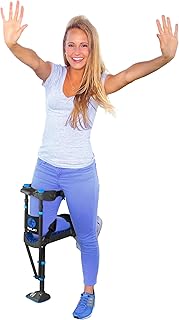
The iWALK3.0 offers a hands-free alternative to traditional crutches and knee scooters. It enables daily activities, including stairs, while keeping weight off the injured leg. It is ideal for motivated adults who meet its qualifications for use and seek to stay mobile during recovery. Not suitable for elderly users or individuals with significant balance or strength limitations.
FVZZIN All Terrain Knee Scooter — Robust Off-Road Support

This all-terrain knee scooter is built for diverse surfaces, featuring two large front wheels and two rear wheels that deliver stability on grass, gravel, and pavement. A waterproof flip-cover bag and water bottle holder add practical touches for on-the-go recovery. The ergonomic seat and included DIY stickers enhance comfort and personalization during longer sessions of use.
BlessReach All Terrain Foldable Black — Flexible and Portable

Designed for recovery and portability, this foldable all-terrain knee scooter emphasizes six-level knee pad and handlebar adjustability. Its folding mechanism facilitates transport and storage, making it suitable for users ranging from 5’6″ to 6’6″ tall. The model prioritizes a balance of stability and convenience for foot or ankle recovery across multiple environments.
Buying Guide: Key Considerations For Choosing A Scooter Walker
- Injury compatibility: Ensure the device is suitable for your surgery type and recovery stage, particularly if you have ankle or lower-leg injuries or require reduced weight-bearing support.
- Stability and frame design: Look for a dual-tube or reinforced frame and wide wheelbase, which improve balance on varied surfaces and reduce tipping risk.
- Wheel size and terrain: Larger front wheels and all-terrain models perform better on grass, gravel, and uneven sidewalks. Consider indoor use versus outdoor needs.
- Braking and safety features: Ergonomic handbrakes or mechanical brakes are essential for controlled stops. Confirm the availability of reliable braking systems.
- Padding and comfort: A cushioned seat, adjustable knee pad height, and foam grips can reduce pressure points during longer sessions.
- Portability: Foldable designs and lightweight frames simplify transport in vehicles and storage in small spaces.
- Qualifications and usage guidelines: Some products, like hands-free crutches, require balance, strength, and weight considerations. Verify you meet the specified criteria.
- Accessories: Extras such as waterproof bags, bottle holders, and personalization stickers can improve practicality and user satisfaction during recovery.
- Maintenance: Check for easy-to-clean surfaces, replaceable wheels, and straightforward mechanical components to minimize downtime.
Choosing the right scooter walker involves balancing stability, independence, and comfort. By comparing frame construction, wheel design, braking systems, and portability, patients can select a model that supports their recovery goals while fitting their living environment and daily routines.