Choosing a first electric scooter for a child involves balancing safety, ease of use, and entertaining features that keep kids engaged. The options below cover a range of beginner-friendly designs with age-appropriate speeds, lightweight builds, and stability-enhancing features. Each model emphasizes stability, controlled acceleration, and simple braking, making them suitable for new riders while offering features like LED lights and adjustable heights to grow with your child. Read on to compare five popular choices and find a suitable starter scooter for your youngster.
Summary at a glance
| Product | Recommended Age | Top Speed | Notable Feature |
|---|---|---|---|
| Hover-1 My First Self Balancing Scooter | Kids | 5 mph | Dual motors, LED headlights |
| LINGTENG Kids Electric Scooter | 6–9 years | 4–6 mph (dual mode) | Adjustable height, start-up assist |
| Radio Flyer My 1st Scooter | 2–5 years | Low speed (assisted) | Wide base, two front wheels |
| Gyroor KS2 Kids Electric Scooter | 6–12 years | 5 mph | Foot sensor start, LED wheels |
| Rydon Racer 5MPH | 5+ years | 5 mph | Three-wheel stability, lightweight |
Hover-1 My First Self Balancing Scooter for Kids

Designed for beginners, this self-balancing scooter offers a gentle introduction to motion for youngsters. Dual 150W motors provide a safe top speed of 5 mph, and a stable balance system helps new riders feel confident as they practice. Non-slip footpads improve grip on the deck, reducing the risk of slips during turns or stops. The scooter’s compact size makes it an ideal starting point for children learning balance and coordination, with a lightweight frame that’s easy for parents to manage when not in use.
Lighting features add visibility and a sense of fun, with bright dual LED headlights to guide the path ahead. A built-in 24V/2Ah lithium-ion battery supports up to 3 miles per charge, offering a practical range for short rides around the neighborhood or park. The scooter’s emphasis on stability and straightforward operation aligns well with early riding milestones, helping kids build confidence before moving to larger models.
LINGTENG Electric Scooter For Kids Age 6-10

This model offers versatility with two speed modes and adjustable height to accommodate growing riders. The scooter weighs about 10 pounds, supporting easy handling by young users and caregivers. With a maximum load of 110 pounds, it’s suitable for children as they gain confidence and balance. A start-up assist feature helps prevent unintended acceleration, easing new riders into motorized use. The rear wheel’s dual function serves as a fender and a foot brake, aiding quick and controlled deceleration.
The design emphasizes safety with non-slip pedals and handles for secure footing. The top speed ranges up to 6 mph, depending on mode, which remains appropriate for beginners. The included LED lighting elements and a robust battery contribute to longer practice sessions and a more engaging ride as kids learn to respect speed and space around others. A practical option for family outings or quick neighborhood trips.
Radio Flyer My 1st Scooter
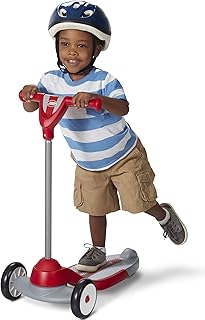
A classic starter scooter designed for toddlers to preschoolers, this model emphasizes stability through an extra-wide base and two front wheels. The broad footprint creates a secure balance platform, helping young riders gain confidence and practice basic steering and coordination. A rear foot brake provides a straightforward stopping mechanism, allowing kids to learn control in a gradual, controlled fashion. The three-wheel layout minimizes tipping and promotes a steady first ride experience for little ones aged 2–5.
Its design supports independent scooting with a simple kick-and-go approach, making it a reliable first step into personal mobility. Parents can appreciate the intuitive turning radius and safety-focused layout that keeps riding sessions calm and manageable as kids build fundamental skills before advancing to more complex scooters.
Gyroor KS2 Kids Electric Scooter

The KS2 is tailored for young riders with a safe top speed of 5 mph and a catch-free start, activated after reaching 2 mph. The foot sensor start system provides a natural, user-friendly transition from standing to riding, removing the need for complex controls. LED-lit wheels and a deck light-up feature boost visibility and add an element of excitement for kids while commuting in low-light conditions. Adjustable handlebars accommodate children as they grow and offer a more comfortable ride over longer sessions.
Parents benefit from the straightforward operation and the reassurance of stable handling for beginners. The three-wheel design helps maintain balance, while the compact build remains easy for caregivers to store and transport. Overall, the KS2 blends safety features with engaging visuals to encourage responsible riding habits from the outset.
Rydon Racer 5MPH

The Rydon Racer focuses on stability and easy maneuvering, featuring a lean-to-steer design ideal for beginners learning the basics of balance and turning. A low, lightweight frame supports quick lifting and carrying, enhancing portability for family trips or park outings. With a maximum recommended weight around 80 pounds, this scooter emphasizes a gentle learning curve and controlled acceleration for safety during early rides.
The tri-wheel setup provides additional stability, while bright forward-facing lights improve visibility during dusk rides. The included foot pads and a straightforward braking system strengthen rider confidence as children practice stopping, turning, and navigating gentle slopes. This model suits younger riders who want a simple, reliable platform to start their scooting journey.
Buying Guide: Key Purchase Considerations
- Age and weight limits: Ensure the scooter’s recommended age range and weight capacity align with the child’s current size and growth trajectory.
- Speed and acceleration: Beginners benefit from models with low top speeds (around 5 mph or less) and mechanisms that prevent sudden acceleration.
- Stability features: Three-wheel designs, wide bases, and non-slip decks reduce tipping risk and support balance for new riders.
- Start mechanism: Foot sensor or simple kick-start systems reduce complexity and help kids learn to ride with minimal button presses.
- Braking system: Look for foot brakes, rear brakes, or stable resistance that allows easy stopping without abrupt deceleration.
- Weight and portability: Light frames with quick-fold or easy-carry features help families transport scooters to parks or classrooms.
- Battery and range: For short neighborhood rides, a scooter with 1–3 miles of range is typically sufficient and safer for kids.
- Visibility features: LED wheels, deck lights, and headlights improve visibility, supporting safer riding in low light.
- Adjustability: Height-adjustable handlebars extend the scooter’s usable life as a child grows taller.
When evaluating options, prefer models that emphasize gentle acceleration, reliable braking, and stable handling. Real-world testing in safe, open spaces helps determine whether a scooter’s weight, wheelbase, and balance mechanism suit a child’s abilities. Consider pairing a scooter with appropriate protective gear—helmet, knee and elbow pads—to reinforce safe riding habits from the start. The right starter scooter should be intuitive to operate, durable for regular use, and comfortable enough to encourage consistent practice and progression to more advanced riding experiences.