Finding the right ride on toy for toddlers blends safety, balance development, and simple joy. This guide highlights five top picks that cover seated to standing transitions, indoor-outdoor use, and engaging features like music or lights. Each option is designed to grow with a child’s confidence from ages 1 to around 5, helping little riders build coordination and balance as they scoot, glide, and push forward with steady footing.
| Product | Brand | Age Range | Key Benefit | Amazon Link |
|---|---|---|---|---|
| Radio Flyer Scoot 2 Ride-On | Radio Flyer | 1–4 | Converts from seated ride-on to 4-wheel scooter | Product Page |
| Radio Flyer My First Scooter | Radio Flyer | 2–5 | Three-wheel stability with wide deck | Product Page |
| Scoot & Ride Highwaykick 1 | Scoot & Ride | 1–5 | 2-in-1 seat and standing mode with height adjustability | Product Page |
| Fisher-Price Laugh & Learn Cruise Along | Fisher-Price | 1+ | Music, learning modes, and motion-activated songs | Product Page |
| Lil’ Rider Wiggle Car | Lil’ Rider | 3+ | Gears-free wiggle car for quiet, imaginative play | Product Page |
Radio Flyer Scoot 2 Ride-On

The Scoot 2 Ride-On grows with your child, starting as a seated toddler glider and transforming into a four-wheel scooter. Its durable four-wheel design provides a stable base, helping new riders build balance in a controlled way. The deck flip offers a quick switch between modes, enabling indoor and outdoor play as your child’s confidence increases. A compact footprint makes it suitable for small yards and living rooms alike.
Features include two rides in one: seated ride-on mode and a standing scooter mode, with storage space while in ride-on mode for small toys. This flexibility supports early walkers turning into confident scooter riders and makes it ideal for households seeking a single toy to cover multiple stages of development.
Radio Flyer My First Scooter

This three-wheel design emphasizes safety and balance for beginners. The wide base and textured deck enhance traction, and the turning radius is calibrated to support safe steering movement without sacrificing mobility. The My First Scooter is an approachable entry point for toddlers learning to push, glide, and steer, with stability features that minimize tipping during early practice sessions.
Designed for ages 2–5, it promotes independent scooting while offering parents reassurance through a structured approach to initial riding milestones. The scooter’s low profile makes mounting and dismounting easier for little riders, helping to reduce falls and encourage repeated practice in short sessions.
Scoot & Ride Highwaykick 1

The Highwaykick 1 blends a seated ride-on with a standing kick scooter, offering three height settings for seat and handlebar so it can accompany a child from roughly ages 1 to 5. Its adjustable design grows with the child, and the built-in safety pad helps prevent forward tipping to aid early riders in maintaining a steady balance. The setup supports smooth transitions between modes, making it a versatile indoor-outdoor option.
Key advantages include two modes without tools and a compact form factor. The product is well-suited for families who want a single toy that can adapt to a child’s changing abilities, from sitting to standing scooting, across various environments like sidewalks, driveways, and stores aisles during the growth years.
Fisher-Price Laugh & Learn Cruise Along

This Amazon Exclusive ride-on offers a musical ride-on experience with motion-activated songs and learning content. The Smart Stages feature provides three levels that grow with your child, teaching letters, numbers, shapes, colors, and opposites while engaging through button presses, horn sounds, and scooting motion. It’s designed to entertain toddlers while subtly supporting early language and cognitive development.
The model emphasizes immersive play with a realistic ride-on look, and its musical interactions help kids develop auditory processing alongside gross motor skills. It’s most effective as a supplementary riding toy that keeps children engaged during early driving or scooting sessions and supports parent-led learning moments.
Lil’ Rider Wiggle Car
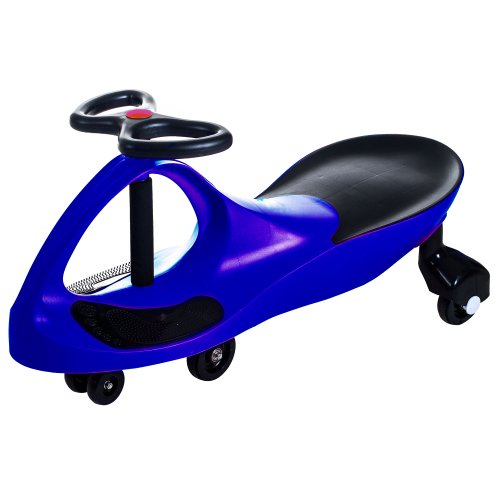
The Wiggle Car provides a twist-driven ride without gears, batteries, or pedals. Children simply wiggle to propel the car, which fosters core movement, balance, and coordination in a low-stress, imaginative setting. Its compact size and quiet operation make it suitable for indoor play on smooth floors or outdoor use on flat surfaces, encouraging steady practice and creative play sessions.
With a low center of gravity and sturdy build, this ride-on helps develop essential motor skills while giving kids a toy that’s easy to control. It’s especially appealing for toddlers who enjoy kinetic play and want to explore driving-like motion without the complexity of pedal mechanisms.
Buying Guide: Key Purchase Considerations For Toddler Ride-Ons
Choosing the right ride-on toy involves balancing safety, growth potential, and play value. Consider the child’s age and weight, space for play, and whether you want a single toy that grows with them or separate models for different stages. Look for wide bases, low seating or decks, and non-slip surfaces to help prevent falls. Adjustable handlebars and seats are a plus, as they extend the usable life of the toy as your child grows.
Mode versatility matters: some riders switch from seated ride-ons to standing scooters, offering both experiences in one product. This is ideal for families seeking to minimize clutter while encouraging motor skill progression from squirmy first steps to confident balance and steering. For indoor use, choose quieter ride-ons with smooth wheels and compact footprints; for outdoor use, ensure wheels handle sidewalks and driveways with ease and provide better stability on uneven surfaces.
Entertainment features such as lights, sounds, or music can boost engagement but should not overpower safety considerations. Simple, robust mechanisms for steering and braking are essential. Check assembly requirements and whether tools are needed, since some models require adjustment as the child grows. Finally, review weight limits and warranty terms to ensure the toy remains a trusted companion through multiple development stages.
In sum, the best options blend stability, growth potential, and kid-friendly features. Prioritize products with adaptable seating and handlebar heights, wide decks, and secure wheels. By aligning the toy’s design with a toddler’s developmental milestones—standing balance, steering, and coordination—you invest in a safer and more enjoyable scooting journey for years to come.