Discover the latest self-balancing scooters designed for versatility, safety, and ease of use. This guide highlights five notable models, spanning off-road adventures, urban commuting, and kid-friendly options. Each entry includes key features, ride capabilities, and practical considerations to help you compare performance, battery life, and stability. Whether you’re shopping for adults, teens, or younger riders, you’ll find insights to help make an informed choice.
| Product | Brand | Top Speed | Range | Notes |
|---|---|---|---|---|
| Smart Self-Balancing Electric Scooter X60 Plus | X60 Plus | Up to 12.5 mph | 75-80 km | Dual 1500W motors, 20″ all-terrain tires |
| Gyroor Balancing Scooter G13 | Gyroor Store | Up to 6.2 mph | Up to 8 miles | LED lights, off-road capable |
| Segway Ninebot S2 | Segway Store | 11.2 mph | 21.7 miles | Adjustable height, wide rider range |
| Voyager Self-Balancing Toddler Kick Scooter | Voyager Store | Kids-friendly speed | Not specified | 3-wheel design, light-up wheels |
| INMOTION E20 Lite | I INMOTION Store | 9.3 mph | 9.3 miles | Beginner-friendly EUC, dual tires |
Smart Self-Balancing Electric Scooter X60 Plus

The X60 Plus is described with dual 1500W motors and rugged 20-inch all-terrain tires, aiming to tackle city streets and off-road conditions. It uses a high-capacity 67.2V 15.6Ah battery for a reported range of 75-80 km, which supports longer rides between charges. The design emphasizes strong propulsion and terrain capability, suitable for adventurous riders. The product notes specify that standalone lithium batteries are not included with the unit.
Gyroor Balancing Scooter G13 All Terrain

The Gyroor G13 is an off-road balancing scooter powered by dual 120W motors, enabling climbs up to 15 degrees and speeds up to 6.2 mph. It uses non-slip 6.5-inch off-road tires designed for dirt, turf, and gravel, and supports riders up to 220 pounds. Bright LED lights and headlights provide visibility, while built-in Bluetooth speakers add entertainment during rides. A 37V/2Ah lithium-ion battery supports travel up to about 8 miles per charge.
Segway Ninebot S2 Electric Self-Balancing Scooter
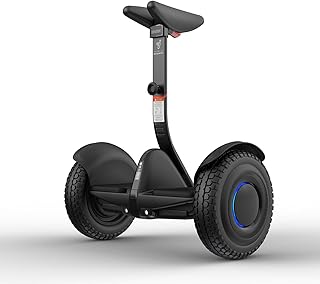
The Ninebot S2 offers a top speed of 11.2 mph and a range of 21.7 miles, with a focus on beginner-friendly operation via a learning mode. It provides adjustable fit to accommodate a broad height range (roughly 4’3″ to 6’6″) and supports riders up to 220 pounds. The S2 emphasizes ride stability and user-friendly controls for new or casual riders, with Segway’s reputation for safety and software updates behind it.
Voyager Self-Balancing Toddler Kick Scooter

The Voyager toddler scooter features a unique three-wheel design with light-up wheels, offering a stable, self-balancing platform for younger riders. Its lean-to-steer mechanism helps teach steering with body movement, while a wide deck supports confident footing. The design targets children aged 3 and up with a sturdy build and age-appropriate balance dynamics, alongside safety-focused features like a foot brake and steady rolling wheels.
INMOTION E20 Lite Electric Unicycle Hoverboard

The INMOTION E20 Lite presents a beginner-friendly EUC option with a 9.3-mile range and 9.3 mph top speed. It features a single-wheel design with dual tires and a proprietary dynamic self-balancing algorithm for stability, aiming to ease the learning curve for new riders. The product is UL 2272 certified and emphasizes safety and reliable performance for novice users seeking an approachable entry into self-balancing mobility.
Buying Guide
Key purchase considerations help buyers choose the right self-balancing scooter for their intended use and comfort level.
- Intended use: Off-road capability, urban commuting, or beginner learning models. Motor power and tire type largely determine terrain suitability.
- Power and speed: Higher wattage motors provide quicker acceleration and climbs but may affect weight and battery life. Top speed is a practical factor for city riding and safety gearing.
- Range and battery: Look for battery capacity (Ah and voltage) that matches your typical riding distance. Real-world range varies with weight, terrain, and riding style.
- Weight capacity and rider size: Ensure the scooter can accommodate the rider’s weight and height, particularly for taller or heavier users.
- Stability features: Self-balancing mechanics, learning modes, and fallback safety features help riders gain confidence and reduce tip-overs.
- Safety and certification: UL or UL-equivalent certifications indicate adherence to electrical safety standards; helmet and protective gear are recommended.
- Maintenance and upgrades: Availability of spare parts, battery replacement options, and firmware updates can extend the product life and improve performance.
- Portability and storage: Weight and foldability affect how easily the scooter can be carried or stored when not in use.
- Age appropriateness: For kids, ensure age guidance and protective features align with the rider’s skill level and supervision needs.
When choosing between models, compare how each aligns with your priorities: terrain tolerance, range requirements, rider weight, and ease of learning. For families or mixed-use households, selecting a model with a broad weight range and forgiving control system can accommodate both beginners and more experienced riders over time.