People recovering from foot, ankle, or knee injuries often seek comfortable, mobility-focused options beyond traditional crutches or knee scooters. This guide highlights five effective alternatives, emphasizing hands-free or cushioned support, stability, and user-friendly design. Each product is evaluated for mobility, safety, and suitability across common recovery scenarios.
Summary of Selected Products
- iWALK3.0 – The Original Hands Free Knee Crutch (Brand: iWALKFree Store)
- Knee Sling for Walker – Adjustable Cushioned Knee Support (Brand: Caredgitz Store)
- Economy Knee Scooter Steerable Knee Walker – Dual Braking (Brand: BlessReach Store)
- Lightweight Foldable Knee Scooter – Detachable Storage Basket (Brand: FVZZIN Store)
- Walker Knee Sling – Adjustable Knee Rest With Padding (Brand: Caredgitz Store)
iWALK3.0 Hands Free Knee Crutch
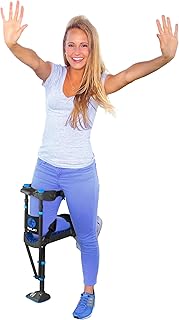
The iWALK3.0 offers hands-free mobility, allowing users to perform daily activities and navigate stairs while recovering from foot, ankle, or lower leg injuries. It replaces traditional crutches by keeping you upright and liberating your hands for routines such as lifting, texting, or cooking. It is essential to confirm all Qualifications For Use, as the device is not recommended for elderly individuals or those with balance or strength limitations or significantly overweight users. The product is designed for healthy, motivated adults seeking continued independence during recovery and can be used indoors and outdoors, including uneven terrain.
Key points:
– Hands-free design supports upright posture.
– Suitable for stairs and varied environments when used by qualified individuals.
– Clear safety caveats emphasize user suitability and balance/strength considerations.
Knee Sling for Walker

This adjustable cushioned knee support for walkers enhances non-weight bearing mobility and stability, offering an alternative to knee crutches or knee scooters. Designed for post-surgery recovery, it provides targeted knee support while walking with a walker. The design emphasizes comfort with a soft 5 cm foam knee pad, reducing pressure during extended wear. It’s positioned as a practical, safe option for seniors and others healing from knee, foot, or ankle injuries who require greater stability and balance during daily activities.
Economy Knee Scooter Steerable Walker

The BlessReach steerable knee scooter provides an alternative to crutches with a dual-braking system for enhanced safety. Its dual-tube construction adds strength and stability, making it suitable for foot or lower-leg injuries that require stable, guided movement. Eight-inch wheels improve maneuverability on indoor surfaces, while the ergonomic handbrake enables controlled stops. This model emphasizes safety and straightforward operation in everyday recovery contexts.
Lightweight Foldable Knee Scooter

This foldable and adjustable knee scooter is designed for adults recovering from foot surgery or lower-leg injuries. It emphasizes portability and stability, with a detachable storage basket for convenience. The product highlights a lightweight yet sturdy frame, ease of folding for storage, and a design approach that supports safe ambulation on smooth indoor surfaces and some outdoor environments. It serves as a practical compromise between mobility and compact storage needs.
Walker Knee Sling with Padding

This knee rest for walkers offers enhanced mobility and stability for non-weight bearing patients. It emphasizes a compact, indoor-friendly design that supports safer standing and movement. The product features a 5 cm thick foam knee pad, reinforcing comfort for extended use. It is positioned as an effective alternative to traditional knee crutches and scooters, suitable for both men and women recovering from knee or ankle injuries.
Buying Guide
When choosing an alternative to a knee scooter, consider mobility needs, safety, and ease of use. Features to assess include hands-free or partial-weight bearing options, stability and balance support, pad cushioning, and compatibility with daily activities. For walkers or knee slings, evaluate weight distribution, ease of mounting, and the range of motion allowed.
- Mobility goals: Do you need hands-free movement, more stability, or enhanced balance for stairs and uneven terrain?
- Safety considerations: Are you at risk for falls, or do you have balance or strength concerns? Look for devices with secure braking, sturdy frames, and non-slip surfaces.
- Comfort and fit: Cushioned pads and adjustable straps improve comfort for longer use. Ensure the device is suitable for your leg size and injury type.
- Portability and storage: Foldable designs and walkable baskets can enhance day-to-day use and travel convenience.
- Usage context: Indoor vs. outdoor use, terrain suitability, and compatibility with stairs or long walking distances.
Comparative notes:
– Hands-free options (like the iWALK3.0) prioritize independence and upper-body management, but require strict qualification and physical capability.
– Cushioned knee slings and walker accessories focus on comfort and stability, often serving as safer, simpler alternatives for non-weight bearing recovery.
– Steerable knee scooters provide control and maneuverability, with emphasis on braking systems and frame strength for safer navigation.
In any case, consult with a healthcare professional before choosing an assistive device. Proper fit, strength, and recovery goals guide the best option for comfort, safety, and mobility during the healing process.