Choosing the right scooter for a 12- to 24-month-old involves safety, stability, and a path to growth. Below are five well-suited options that align with early mobility development, balance building, and simple transitions to bigger rides as kids grow. The table summarizes key features to compare at a glance.
| Product | Type | Growth Stages | Stability Features | Notable Benefit |
|---|---|---|---|---|
| Radio Flyer Scoot 2 Scooter | 3-in-1 ride-on and 4-wheel scooter | Seated scooting to standing riding | Sturdy four-wheel base | Tool-free flip deck transformation |
| SEREED Baby Balance Bike | 4-wheel balance bike | First balance and walking aid | 135° turning limit, gravity steering | Supports early balance development |
| Skip Hop 3-in-1 Ride On | Push walker and ride-on toy | Three stages of play | Size and design for growing toddlers | Encourages motor skills through stages |
| JMMD 6-in-1 Toddler Bike | Convertible push bike | From parent-push trike to balance bike | Adjustable steering and seat | Long-term use across ages |
| Pink Mini 3 Wheel Scooter | Lean-to-steer toddler scooter | Early scooting to independent riding | LED light-up wheels, adjustable handlebar | Visible in low light, fun design |
The following sections highlight five products most relevant to a 1-year-old scooter journey, focusing on stability, developmental benefits, and growth potential. Each section includes a clickable Amazon link and a visual reference to help parents compare features quickly.
Radio Flyer Scoot 2 Scooter Review

- Two-in-one design: starts as a ride-on for seated scooting, then flips to a four-wheel scooter for upright riding, all without tools.
- Durable frame and four-wheel stability help new riders build balance with confidence.
- Ideal as a first ride-on and scooter transition, supporting kids aged 1 to 4 as they grow.
SEREED Baby Balance Bike for 12-24 Months

- Designed for 12–24 months to encourage early balance and coordination without pedals.
- 135-degree turning limit and gravity steering help prevent tipping while exploring.
- Sturdy aluminum frame with non-slip components for indoor or outdoor use.
Skip Hop 3-in-1 Ride On Toy

- Three-stage design supports growing toddlers: push walker, ride-on toy, and more as skills develop.
- Bright, engaging colors and a sturdy build suitable for early motor skill development.
- Encourages balance, coordination, and independent play with minimal setup.
JMMD 6-in-1 Toddler Bike

- Transforms from parent-push trike to balance bike and more, covering ages 18–60 months.
- Adjustable steering handle, seat, and height extensions ensure a comfortable fit as the child grows.
- Aluminum frame with 12″ all-terrain wheels, a hand brake, and a limited turning angle for safety.
Pink Mini 3 Wheel Scooter With LED Wheels
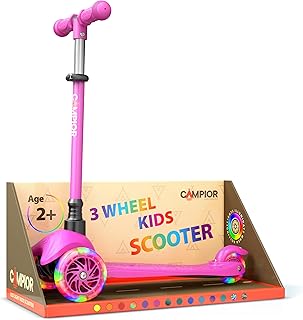
- Lean-to-steer design simplifies control for toddlers learning to balance and maneuver.
- LED light-up wheels add visual appeal and increased visibility during rides.
- Four height settings on the T-bar handlebar provide adaptability for growing children up to 110 lbs.
Buying Guide: Key Purchase Considerations
When selecting a first scooter or balance toy for a 1-year-old, consider safety certifications, stability, growth potential, and ease of use. Look for wide, non-slip decks, low step-on heights, and components designed to minimize pinch points. For multi-stage products, assess how smoothly transitions occur between stages and whether tools are required for adjustments. Weight capacity and wheel type influence how long a child can use the toy as they mature from toddler to preschooler. If lighting adds appeal, LED wheels can improve visibility in low-light play sessions. Finally, check customer reviews for real-world feedback on durability and ride quality.
Durability and safety features vary across models. The Radio Flyer Scoot 2 emphasizes a flip-deck design that grows with a child, while the SEREED balance bike focuses on stability with controlled steering. The Skip Hop and JMMD options offer multi-stage growth, but with different configurations and steering mechanisms. The Pink Mini 3 Wheel Scooter blends fun visuals with lean-to-steer control and adjustable height, appealing to early riders who respond to cues like lights and color. Each option serves a slightly different developmental milestone, so families should align the choice with their child’s current abilities and anticipated growth trajectory.
To optimize selection, consider the following questions:
– Does the product provide a clear path from seated to standing riding, or from push-along to independent scooting?
– Are the wheels and frame designed to minimize tipping and maximize balance-building opportunities?
– Can the handlebars, seats, or frames be adjusted to accommodate growth without tools or excessive effort?
– How important are visuals, lighting, and color for the child’s engagement?
– What is the long-term use potential—will the toy remain enjoyable as the child reaches preschool age?