Choosing the right ride-on for a toddler blends safety, stability, and growing independence. This guide highlights five top picks that balance learning with fun, from four-wheel balance bikes to three-wheel scooters and versatile trikes. Each option helps little ones gain confidence on two or three wheels, with design features that support safe play in homes, yards, and neighborhoods. The selections below are tailored for American families, offering durable builds, easy handling, and age-appropriate performance.
| Product | Brand | Key Feature | Ideal Age |
|---|---|---|---|
| SEREED 4-Wheel Baby Balance Bike | SEREED | Pedal-free, wide wheels for stability and balance learning | 12-24 months |
| Lifemaster 3-Wheel Kick Scooter | Lifemaster | LED wheel lights, lean-to-steer for balance development | 2+ years |
| VOYAGER 3-Wheel Self-Balancing Scooter | VOYAGER | Extra wide deck and 3-wheel stability for confidence | 3-7 years |
| Besrey 5-in-1 Toddler Bike | besrey | Five modes: tricycle, walker, pedals, and balance bike progression | 10 months-4 years |
| Radio Flyer Red Rider Trike | Radio Flyer | Classic three-wheel ride with storage bin | 2.5-5 years |
SEREED 4-Wheel Baby Balance Bike

Designed for ages 12-24 months, this four-wheel balance bike helps infants learn balance, steering, and coordination while building confidence early. With no pedals, it reduces the risk of feet getting trapped, and a 135° turning limit with gravity steering helps prevent tipping while the child learns to maneuver without leaving the ground. The setup encourages natural movement and independent exploration in a safe, supportive way.
The bike features a sturdy aluminum alloy frame, non-slip TPU handlebars, and a softly cushioned seat for comfort. Wheels are non-slip and wear-resistant, making the bike suitable for both indoor floors and outdoor surfaces. The widened, closed wheel design minimizes clamping and adds stability, allowing caregivers to guide beginners with ease as they develop gross motor skills.
Lifemaster 3-Wheel Kick Scooter

This three-wheeled scooter is built for kids who are ready to glide with less risk of tipping. LED wheel lights add visibility for after-dark play, while Lean-To-Steer technology lets children turn by leaning, promoting balance and coordination. The adjustable 5-level handlebar grows with your child, offering four height options (22.65″ to 27.56″), soft rubber grips, and a stylish nylon clamp collar for extra comfort and safety.
Ideal for ages 2 and up, this Lifemaster model emphasizes stability and ease of use. The 3-wheel design provides a stable cruising platform, and the lightweight frame makes it simple for caregivers to transport. While learning, kids can focus on steering, speed control, and safe stopping thanks to a straightforward, kid-friendly riding experience.
VOYAGER 3-Wheel Self-Balancing Scooter
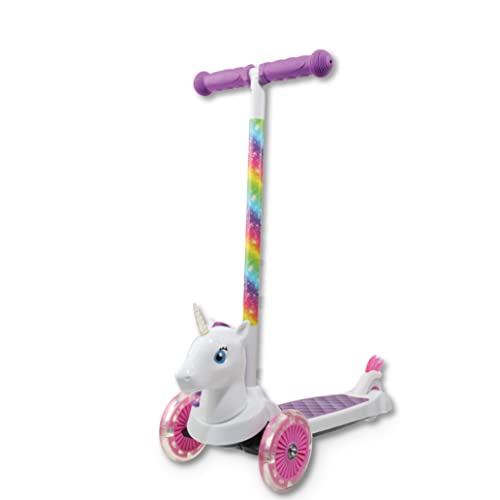
The VOYAGER self-balancing scooter features a three-wheel platform with an extra-wide deck, offering stability for beginning riders. The design emphasizes a smooth, quiet ride with front tires that handle uneven surfaces more confidently. A foot-activated brake adds an intuitive stopping mechanism, making it easier for toddlers to learn control and balance. This option is well-suited for kids who want a sporty ride while staying within a safe balance framework.
The scooter is intended for ages 3 and up, with durability built into the frame to withstand years of use as children grow. While motorized speed is not the focus, the sturdy construction and large front tires support confident, controlled cruising on sidewalks and driveways, both indoors and outdoors.
Besrey 5-in-1 Toddler Bike
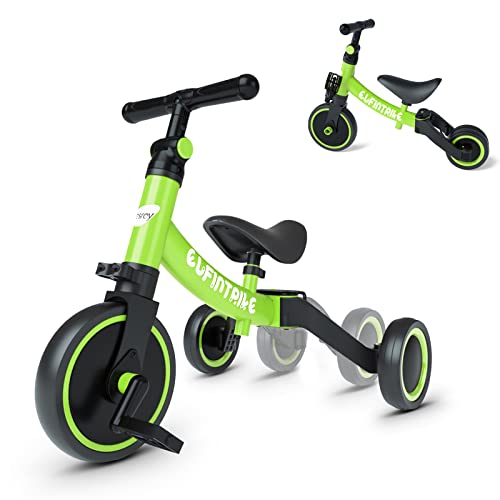
Besrey offers a versatile 5-in-1 toddler bike that adapts as your child grows, spanning from 10 months to 4 years. The design progresses through five modes: tricycle without pedals (learn to walk), baby walker without pedals (stage 2), tricycle with pedals (learn to ride), baby walker with pedals (stage 3), and balance bike without pedals (sliding). A curved carbon steel frame with no sharp edges enhances safety, reducing the risk of injuries during exploration and practice on different terrains.
The upgraded frame and safety-conscious design make this an excellent long-term option for families seeking a single device for multiple developmental stages. Its broad age range and adjustable configurations help parents maximize value while supporting gross motor skills, balance, and coordination across several learning phases.
Radio Flyer Red Rider Trike
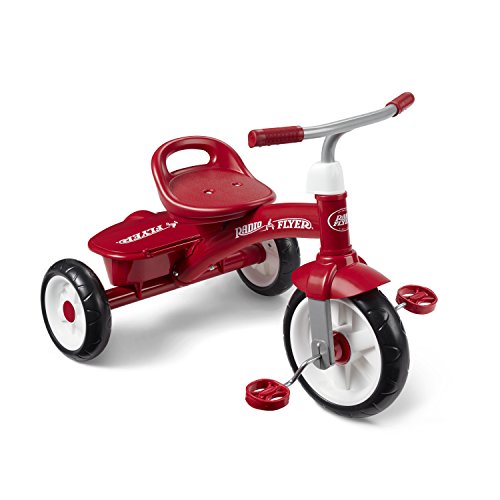
The Radio Flyer Red Rider Trike is a classic choice for young riders, designed for ages 2.5-5. It offers a comfortable, stable ride with quiet-riding tires ideal for sidewalks and patios. A covered storage bin invites kids to bring small treasures along for each journey, while an adult hand grip on the seat back aids in transport. This trike’s lightweight design makes it easy for parents to lift into cars or tuck away when not in use.
As a timeless entry into outdoor play, the Red Rider Trike provides a familiar, intuitive riding experience that supports early balance and stepping-stone confidence. Its simple drivetrain and durable construction aim to endure years of neighborhood adventures, family trips, and daily learning through play.
Buying Guide
When selecting a toddler ride-on, consider how the product supports developmental milestones, safety, and longevity. The following considerations help compare options across balancers, scooters, and trikes.
- Age and development stage: Balance bikes and 3-wheel scooters suit early coordination, while multi-mode devices like the Besrey 5-in-1 grow with the child from infant walker to balance bike.
- Stability versus speed: Four-wheel balance designs emphasize stability for the youngest learners, while three-wheel scooters balance stability with the mobility kids expect.
- Safety features: Look for features like pedal-free designs, wide, non-slip wheels, low centers of gravity, and smoothly rounded frames to minimize injury risk. Helmets and protective gear should accompany rides as standard practice.
- Adjustability: Height-adjustable handlebars and ride seats extend usability as a child grows, reducing the need for frequent replacements.
- Materials and durability: Aluminum frames, durable plastics, and wear-resistant wheels contribute to longer life and safer performance across varied surfaces.
- Indoor versus outdoor suitability: Some models excel on smooth floors; others handle rough driveways or lawns. Consider where the child will ride most often.
- Weight limit and portability: Check weight capacity and how easy the device is to carry or store in small spaces or vehicles.
- Multifunction value: Multi-stage devices offer more learning stages in one purchase, delivering longer-term value for growing children.
- Maintenance: Simpler designs are easier to clean and maintain; verify wheel replacements and parts availability if needed.
- Safety gear compatibility: A helmet, knee pads, and elbow pads should be part of the purchase plan to ensure a complete, safe riding setup.
In practice, balance bikes are excellent for early balance and steering, three-wheel scooters offer a stable yet engaging ride, and trikes deliver a familiar pedal-forward experience for slightly older toddlers. A 5-in-1 option can maximize growth potential, while classic options like the Red Rider Trike provide dependable, simple play. Always tailor the choice to your child’s age, development, and the typical riding environments you expect—indoor floors, sidewalks, driveways, or parks—to find the best fit for your family.