For e-bike riders and cyclists, cadence sensors translate pedal revolutions into actionable insight. This guide highlights five top cadence sensors that work with e-bikes: Wahoo RPM, Magene S3+, Garmin Bundle, moofit, and COROS. You’ll learn about accuracy, connectivity, installation, and compatibility with popular apps and devices. Use the quick summary table below to compare core features, then read detailed sections for each product to guide your choice.
All five options support Bluetooth and ANT+ in various configurations, and each is designed for spin bikes, road bikes, and e-bikes alike.
| Product | Brand | Key Benefit | Connectivity | Notes |
|---|---|---|---|---|
| Wahoo RPM Cadence Sensor | Wahoo Fitness | Real-time cadence with dual-band tech | ANT+ & Bluetooth | Works with many training apps and devices |
| Magene S3+ Cadence Sensor | Magene | Single-mode per sensor; reliable cadence data | Bluetooth & ANT+ | Requires separate sensor for speed vs cadence |
| Garmin Speed & Cadence Sensor Bundle | Garmin | Self-calibrates with Garmin devices | ANT+ & Bluetooth LE | Bundle includes two sensors for speed and cadence |
| moofit Cadence Sensor | moofit | Real-time cadence on multiple devices | Bluetooth & ANT+ | No magnets needed; IP67 waterproof |
| COROS Bike Cadence Sensor | COROS | RPM tracking across devices | Bluetooth | Works with most bikes and training apps |
Wahoo RPM Cadence Sensor
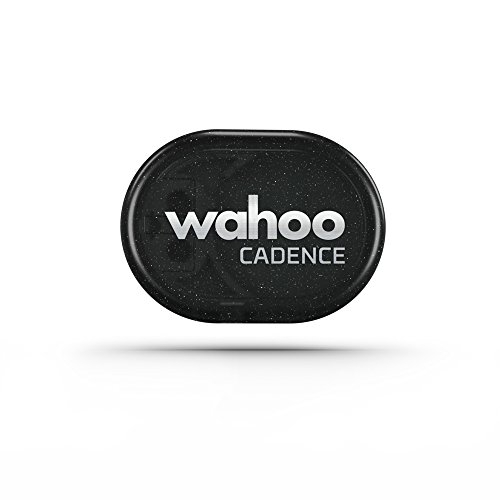
The Wahoo RPM Cadence Sensor provides accurate cadence data and speed measurements when paired with compatible training apps. It supports both ANT+ and Bluetooth Smart connections, enabling smooth data transfer to devices like smartphones, tablets, and bike computers. The device is designed for versatility across outdoor rides, spin classes, and home training setups. Users can view pedal cadence in real time to adjust pedal stroke for efficiency and endurance. Compatibility with popular apps such as Zwift, Peloton Digital, and Wahoo’s own ecosystem makes it a flexible option for diverse training needs. Setup is straightforward, with minimal components required for mounting on most crank arms.
Key benefits include dual-band connectivity, which reduces compatibility concerns across devices, and a low-latency data stream ideal for speed and cadence feedback during high-intensity sessions. The sensor’s compact size makes it easy to mount on most bikes without interfering with pedal movement. Battery life is typically sufficient for regular training cycles, and replacement batteries are readily available. For riders who want comprehensive data across apps and hardware, the Wahoo RPM Cadence Sensor represents a solid balance of accuracy, ease of use, and compatibility.
Magene S3+ Cadence Sensor
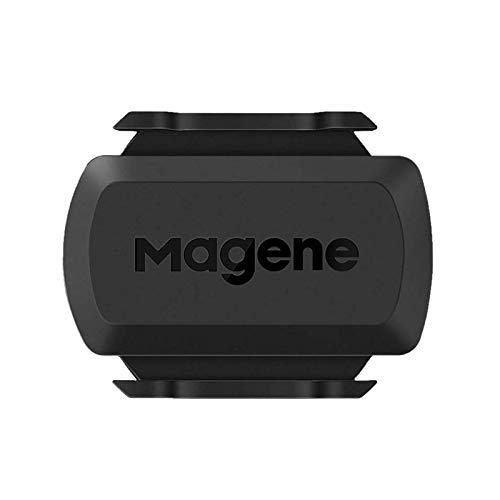
The Magene S3+ is a versatile cadence solution designed for both outdoor and indoor cycling. It supports Bluetooth and ANT+ connections to compatible apps and devices. The feature set emphasizes easy integration with smartphone apps and cycling computers, delivering cadence data in real time. A notable caveat from the product notes is mode limitation: one sensor can switch between speed or cadence, not both simultaneously. Practically, this means riders may need two sensors if they want to monitor both metrics at the same time. The device is compact and straightforward to install on the crank arm, making it a practical option for riders who already own a smart trainer or bike computer that supports ANT+ or Bluetooth.
Given its flexibility and broad compatibility with cycling platforms such as Wahoo, Zwift, and TrainerRoad, Magene S3+ offers solid cadence tracking for riders who prefer a single-sensor setup and are willing to manage mode switching when necessary. The device’s dual connectivity helps ensure data reaches your primary training apps, even if you switch between indoor trainers and street rides. For users prioritizing a lightweight, cost-conscious solution with broad device compatibility, the Magene S3+ is a dependable choice.
Garmin Speed & Cadence Sensor Bundle

The Garmin bundle includes sensors for both speed and cadence, designed to self-calibrate with Garmin devices such as Edge cycles computers. The speed sensor attaches to the wheel hub, providing accurate speed and distance data even when a head unit isn’t present. The cadence sensor mounts to the crank arm to measure pedal revolutions per minute. Both sensors transmit data via ANT+ and Bluetooth Low Energy, enabling live data sharing with Garmin Connect and supported third-party apps. This setup is ideal for riders already invested in the Garmin ecosystem, offering deep integration with indoor and outdoor training and robust data portability across devices.
The bundle emphasizes compatibility with multiple Garmin devices and training apps, ensuring cadence and speed data can be streamed to various displays and platforms. Self-calibration reduces setup complexity, and the ANT+/BLE dual connectivity expands options for data analysis and ride logging. For riders who want a scalable Garmin-ready cadence-and-speed solution, this bundle provides reliable performance with broad app support and easy installation on most bikes.
Moofit Cadence Sensor

The Moofit Cadence Sensor is designed for reliable cadence tracking across training apps and bike computers. It supports both Bluetooth and ANT+ connectivity, enabling real-time cadence data to flow to popular platforms such as Wahoo, Garmin Connect, Zwift, and more. A key selling point is its magnets-free installation, which simplifies mounting to the crank arm without dealing with magnet alignment. The sensor is built to withstand everyday cycling conditions and offers consistent cadence data for indoor trainers and outdoor rides alike. Its IP-rated durability helps ensure long-term performance in varied weather and training environments.
Real-time cadence data is complemented by straightforward pairing with compatible apps and devices. This makes Moofit a practical option for riders who want a simple, durable cadence sensor that works well with multiple ecosystems. The combination of Bluetooth/ANT+ support and easy installation makes it a versatile choice for both casual riders and serious training enthusiasts seeking reliable cadence feedback.
COROS Bike Cadence Sensor

The COROS Bike Cadence Sensor focuses on tracking pedal RPMs to help riders optimize pedaling efficiency. It pairs with most bike computers, smartwatches, or smartphones via Bluetooth, enabling cadence data to feed into preferred training apps and displays. The sensor is designed for both outdoor and indoor rides, and it integrates with many platforms to provide a broad data-viewing experience. The emphasis on easy Bluetooth pairing and compatibility with a wide range of devices makes COROS a flexible option for riders who want cadence insights without being locked into a single ecosystem.
With emphasis on RPM tracking and cross-platform compatibility, COROS delivers reliable cadence data suitable for improving pedal stroke and endurance. Its Bluetooth connectivity ensures quick pairing with modern devices, and compatibility with spin bikes and standard bicycles broadens its appeal for diverse training environments. For riders seeking a straightforward cadence sensor with solid app integration, the COROS option offers a balanced blend of accessibility and performance.
Buying Guide
Key purchase considerations
- Connectivity: Decide between ANT+, Bluetooth, or both. If you ride across multiple devices or training apps, a dual-compatibility sensor reduces compatibility issues.
- Mode and data availability: Some sensors require separate units for speed and cadence or limit Bluetooth connections to a single app. If you need both metrics simultaneously, choose a bundle or a sensor that supports dual data streams.
- Mounting and compatibility: Check crank arm size, hub mounting options, and whether magnets are needed. Magnetless designs are often easier to install on modern bikes and spin bikes alike.
- Durability and environment: Look for IP rating or weather resistance if you ride in varied conditions. Indoor training rooms can also benefit from splash resistance and sturdy mounting.
- App and device ecosystem: If you use a specific platform (Garmin Connect, Zwift, Peloton, Wahoo SYSTM, etc.), verify compatibility to ensure seamless data transfer and analytics.
Comparisons by scenario
- All-around versatility: Wahoo RPM Cadence Sensor and COROS Sensor offer broad compatibility with many apps and devices, making them strong defaults for mixed setups.
- Garmin-centric riders: The Garmin bundle provides deep integration with Garmin devices and Garmin Connect, with easy self-calibration and reliable data.
- Budget and simplicity: Moofit delivers straightforward, magnet-free installation with cross-platform Bluetooth and ANT+ support, ideal for quick setup.
- Dual-mode needs: If you must monitor both speed and cadence on a single sensor, consider a two-sensor approach (one for speed, one for cadence) or a bundled solution from Garmin.
Quick comparison snapshot
- Wahoo RPM: Excellent app compatibility, dual-band connectivity, easy mounting.
- Magene S3+: Great value, but may require two sensors for speed and cadence; versatile connectivity.
- Garmin Bundle: Strong Garmin ecosystem integration; self-calibration; reliable dual data.
- Moofit: Magnet-free installation; robust Bluetooth/ANT+ support; durable build.
- COROS: Broad device compatibility via Bluetooth; straightforward RPM tracking.