Choosing a cadence sensor for a spin bike helps you measure pedal speed and training intensity across apps and devices. The five options below deliver reliable ANT+ or Bluetooth connectivity, accurate cadence data, and easy mounting for indoor cycling. Whether you ride with Wahoo, Garmin, or open-platform apps, these sensors cover dual-band capability, durability, and compatibility with popular spin bikes and trainers.
| Product | Brand | Best For | Connectivity |
|---|---|---|---|
| Wahoo RPM Cadence Sensor | Wahoo Fitness | Broad app and device support | ANT+, Bluetooth |
| Moofit Cadence Sensor | moofit | Budget-friendly dual protocol | ANT+, Bluetooth |
| Magene S3+ Cadence Sensor | Magene | All-in-one cadence solution | ANT+, Bluetooth |
| Garmin Cadence Sensor Bundle | Garmin | Garmin ecosystem users | ANT+, Bluetooth |
| COOSPO BK9 Cadence Sensor | CooSpo | Dual-mode cadence | ANT+, Bluetooth |
Wahoo RPM Cadence Sensor
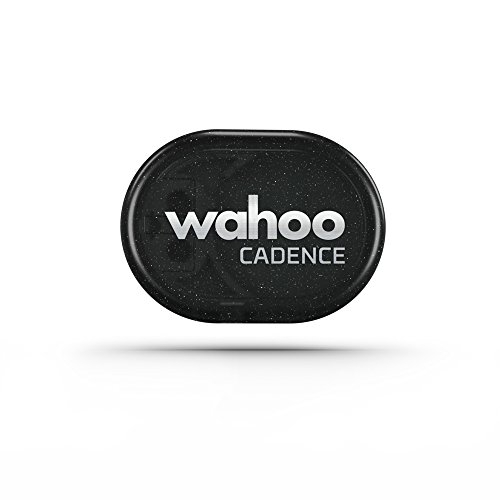
The Wahoo RPM cadence sensor offers dual-band technology, pairing via ANT+ and Bluetooth Smart to smartphones, tablets, and bike computers. It tracks both cadence and speed in real time, and integrates with popular training apps such as Wahoo SYSTM, RGT, Zwift, and Peloton Digital. This makes it a versatile choice for indoor cycling workouts, enabling cadence-based training plans and progress tracking across different platforms. Setup is straightforward, and it delivers consistent data streams to multiple devices simultaneously.
Designed to attach near the crank arm, the sensor provides a compact, lightweight solution that minimizes interference with your ride. The dual connectivity means you can select a preferred app or device without losing data. If you train with multiple systems or switch between outdoor and indoor bikes, this sensor ensures you stay in sync with your cadence goals.
- Speed and cadence measurement for real-time feedback
- Compatible with Wahoo, Zwift, Peloton, and other apps
- ANT+ and Bluetooth Smart dual-band support
Moofit Cadence Sensor

The moofit cadence sensor uses BLE 4.0 and ANT+ technology, allowing connection to bike computers and smart devices via Bluetooth while also pairing with ANT+ capable trainers. It provides real-time cadence data on compatible apps and devices, helping riders monitor pedal rate during workouts and intervals. Installation is designed to be straightforward, with a magnet-free attachment to the crank arm for quick setup and removal.
Key advantages include broad compatibility across apps and devices, and a rugged, IP67-rated build for resistance to sweat and rain during indoor sessions. The dual-protocol capability makes it a flexible option for riders who want to share data across multiple platforms without swapping hardware. It’s especially attractive for budget-conscious cyclists who still want reliable cadence tracking.
- BLE 4.0 and ANT+ compatibility
- Real-time cadence data to apps and devices
- Magnet-free, easy crank-arm attachment
Magene S3+ Cadence Sensor
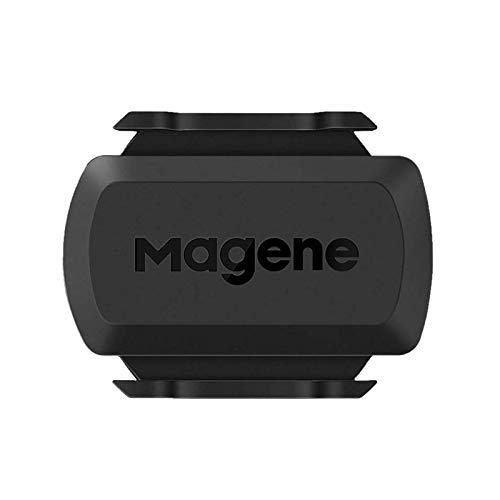
The Magene S3+ is a versatile speed/cadence sensor designed for both outdoor and indoor cycling. It supports wireless Bluetooth and ANT+ connections to popular devices and platforms such as Onelap, Wahoo Fitness, and Zwift. Notably, the product emphasizes mode limitation: one sensor can only switch to either speed or cadence at a time, so riders who want to capture both metrics simultaneously will typically use two sensors. The battery is pre-installed, and installation is straightforward on most crank arms.
Users should note that Bluetooth connections typically pair one app or device at a time, while ANT+ can connect to multiple devices simultaneously. This flexibility makes Magene a strong choice for multi-device setups, especially for riders who own more than one training system. The S3+ is well-suited for riders who value broad compatibility and modular sensor configuration.
- Supports speed or cadence mode via one sensor at a time
- Bluetooth and ANT+ with broad device compatibility
- Easy installation with predefined battery
Moofit Speed/Cadence Sensor

The Moofit speed/cadence sensor pair uses ANT+ and Bluetooth to transmit cadence and speed data to bike computers and smartphone apps. It is designed for reliable real-time tracking and is compatible with many popular cycling apps including Wahoo Fitness, Rouvy, Peloton, and more. The dual-protocol capability enables riders to keep data flowing across multiple platforms, though users should verify app compatibility for specific devices prior to purchase.
Aside from data accuracy, the sensor offers rugged construction with IP67 protection and a straightforward installation on the crank arm. The device supports a wide range of training apps, making it a convenient option for riders who want a single, widely-compatible solution for cadence and speed data across ecosystems.
- ANT+ and Bluetooth Dual Protocol
- Real-time cadence and speed data
- Wide app compatibility with popular platforms
Garmin Cadence Sensor Bundle

The Garmin speed sensor 2 and cadence sensor 2 bundle is designed to integrate seamlessly with Garmin Edge cycling computers and other Garmin devices. It self-calibrates to deliver accurate speed and distance readings, even when a head unit isn’t present. Both sensors transmit live data via ANT+ and Bluetooth Low Energy, enabling real-time cadence and speed data to compatible training apps and displays. The bundle is ideal for riders who already use Garmin gear and appreciate effortless calibration and reliable data sharing.
With attachment points to wheel hubs and crank arms, these sensors provide robust mounting options for diverse bikes. The Garmin ecosystem is known for its reliability and straightforward data sharing across devices, which makes this bundle a preferred option for riders who want integrated metrics across Garmin products and third-party apps.
- Self-calibrating speed sensor and cadence sensor
- ANT+ and Bluetooth Low Energy data transmission
- Ideal for Garmin ecosystem users and data sharing across apps
COOSPO BK9 Cadence Sensor

The COOSPO BK9 cadence sensor offers Bluetooth 5.0 and ANT+ dual-mode connectivity, enabling reliable data capture for cadence on cycling computers, apps, and smart devices. This kit typically includes both speed and cadence sensors, allowing riders to monitor pedal rate and speed across multiple platforms such as Rouvy, OpenRider, Peloton, and Wahoo. The BK9C cadence sensor supplements the BK9S speed sensor for a comprehensive data stream on compatible devices.
Users benefit from IP67-rated protection and a long-lasting battery, making it well suited for sweaty indoor sessions and variable training environments. The COOSPO ecosystem is compatible with a wide range of popular apps, providing flexibility for riders who want to track cadence and speed within their preferred training software without buying multiple standalone devices.
- IP67 waterproof design
- Bluetooth 5.0 and ANT+ dual-mode
- Compatible with Rouvy, Peloton, Wahoo, and more apps
Buying Guide
Connectivity And Compatibility
Consider whether you need ANT+, Bluetooth, or both. Dual-band sensors maximize device compatibility, letting you stream cadence data to multiple apps and head units at once. If you already use a Garmin or Apple iPhone-based ecosystem, choose a sensor with strong BLE support and easy pairing to those devices. Some sensors restrict Bluetooth to a single app at a time, while ANT+ permits multiple connections; plan according to your training setup and preferred platforms.
Single Sensor Versus Dual Sensor Configurations
Some models, like the Magene S3+, can operate in either speed or cadence mode with a single sensor, which may require adding another sensor to capture both metrics simultaneously. If you frequently measure both speed and cadence during intervals, a dual-sensor approach can simplify data collection and reduce setup complexity. However, a single, well-calibrated cadence sensor can work effectively if you primarily focus on pacing cadence.
Durability, Water Resistance, And Mounting
Indoor cycling can be sweaty, so IP-rated sensors (such as IP67) offer durability against moisture and dust. Check how the sensor attaches to the crank arm or wheel hub; magnet-free mounting can simplify installation and minimize mechanical interference. A compact, lightweight design reduces any drag or wobble during intense sprints on a spin bike.
Calibration, Data Quality, And App Support
Calibration routines vary by device. Look for sensors that provide clear calibration steps and reliable data streaming to the apps you use (Zwift, Rouvy, Peloton, Wahoo, etc.). Real-time cadence data should be consistent across sessions to track progress accurately. Strong app support and developer updates can extend the sensor’s useful life and compatibility with evolving training platforms.
Battery Life And Maintenance
Battery type and life affect long-term use. Pre-installed batteries are common, but ensure you can easily replace them when needed. Some sensors require the battery to be removed to switch modes, while others run on replaceable coin cells. Consider how often you ride and whether you prefer a low-maintenance option with longer battery life for weekly training.
Platform Integration And Use Case
Indoor spin bikes and mixed-use setups benefit from sensors that harmonize with multiple platforms. If you ride both indoors and outdoors, a sensor with robust ANT+ and BLE compatibility helps bridge your data across bike computers, smartphones, and apps. For riders committed to a single ecosystem (for example, Garmin or Wahoo), prioritize seamless integration and native support within that ecosystem.
In summary, choose a cadence sensor that aligns with your devices, apps, and training goals. Dual-band options offer flexibility across multiple platforms, while single-mode sensors can be cost-effective when cadence alone is your focus. Be mindful of mode limitations on some Magene devices, and consider whether you need a comprehensive speed-and-cadence data stream or a focused cadence readout for interval training.