Rigid mountain bike forks offer a clean, lightweight alternative to suspension for riders seeking precise steering, improved power transfer, and straightforward maintenance. When selecting a rigid fork, key factors include wheel size compatibility (26/27.5/29″), steerer type, brake mounting, rotor size, tire clearance, and overall stiffness. This guide highlights five top rigid forks from BUCKLOS, BestParts, ZTZ, and KANGXYSQ. Each option balances rigidity, weight, and compatibility with common mountain bike builds, helping you compare quickly and find the right match for your trails.
| Brand | Model | Wheel Sizes | Steerer | Rotor/Brake | Notable Weight/Materials |
|---|---|---|---|---|---|
| BUCKLOS | Rigid Fork 26/27.5/29 | 26/27.5/29 | 1-1/8″ Threadless | Disc Brakes, 160–183 mm rotors | Aluminum, ~680 g (1.5 lb) |
| BestParts | Toseek MTB Front Fork 26/27.5/29 | 26/27.5/29 | 1-1/8″ Threadless | Disc Brakes (Support 160 mm rotors) | Full carbon fiber, lightweight |
| BUCKLOS | Rigid Fork 26/27.5/29 (Threadless) | 26/27.5/29 | 1-1/8″ Threadless | Disc Brakes, 160 mm rotor | Aluminum, features Diamond-Angle design |
| ZTZ | 1-1/8″ Aluminum Alloy Rigid Fork | 26/27.5/29 | 1-1/8″ Threadless | Disc Brakes, 160–183 mm rotors | Aluminum alloy, robust construction |
| KANGXYSQ | 26″/27.5″ Rigid Forks | 26″/27.5″ | 1-1/8″ Threadless | Disc and V brakes, 160 mm rotors | Aluminum alloy, ~825 g |
BUCKLOS Aluminum Rigid Fork 26/27.5/29
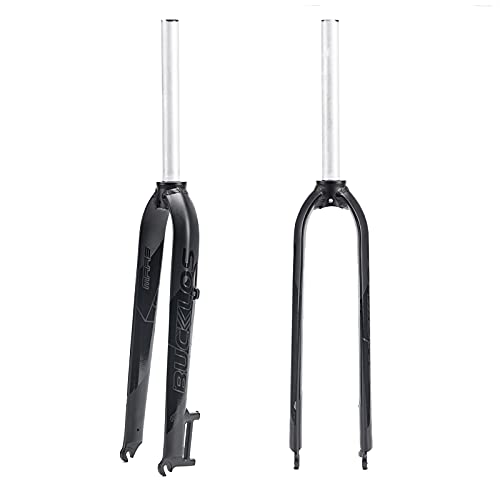
The BUCKLOS rigid fork covers 26, 27.5, and 29-inch wheels, offering a universal solution for mixed-wheel projects. It features a 1-1/8 inch straight steerer and a QR 9×100 mm hub interface, making wheel changes straightforward. The fork is designed with a 45 mm offset to promote stable handling at speed, while allowing quick steering responses on technical singletrack. It is built from high-strength aluminum alloy, keeping the overall weight around 680 g (1.5 lb). The fork supports disc brakes with rotor compatibility from 160 to 183 mm, a wide range for most modern hydraulic or mechanical setups. The 2.45 inch tire width limit suits many mid-range trail tires. The thick diamond-angle crown design contributes to rigidity without adding excessive weight, which benefits braking precision and cornering feedback on rough terrain. This model is well-suited for riders who want a durable, low-maintenance fork without suspension, prioritizing immediate road feel and efficiency.
With its broad wheel-size compatibility and robust construction, this BUCKLOS option is a practical upgrade for riders converting an older hardtail or building a lightweight trail bike. The all-aluminum build ensures durability under repeated impacts, while the streamlined crown design reduces snag hazards in tight sections. The fork’s stiffness translates to predictable steering, particularly when braking into corners or climbing sketchy grades. The combination of 160–183 mm rotor clearance and a 2.45 inch tire limit makes it suitable for a wide range of trail applications, from flowy loam to rocky chutes, without the added complexity of a suspension fork.
Maintenance remains straightforward due to its simple rigid design. Regular inspection of the crown, steerer, and dropouts will help prevent flex under load. Given the weight and maintenance profile, this BUCKLOS model is ideal for riders who value direct feedback, efficient power transfer, and lower ongoing costs compared with suspension forks. It also serves well as a budget-friendly upgrade for BMX or mixed-use builds that require a rigid front end with disc braking compatibility.
BUCKLOS Threadless Rigid Fork 26/27.5/29
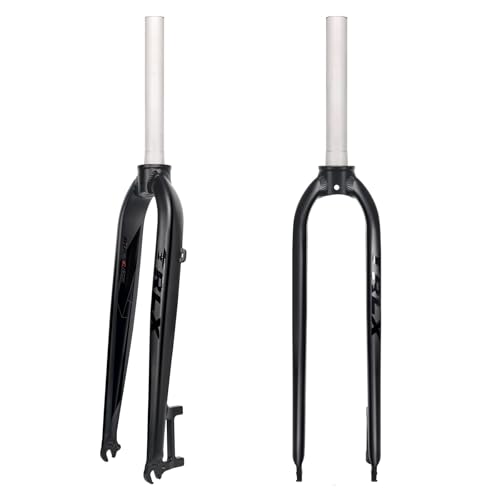
This BUCKLOS model emphasizes a threadless 1-1/8 inch steerer with wheel-size versatility across 26, 27.5, and 29 inches. It uses a 100 mm hub spacing and a 9×100 mm quick-release setup, aligning with many modern mountain frames. The fork mounts for post-mount disc brakes, supporting 160 mm rotors, and accommodates tires up to 2.6 inches wide, which is beneficial for broader trail tires. The offset sits at 55.5 mm, contributing to stable straight-line tracking while maintaining nimble cornering. The design highlights a diamond-angle cross-section to maximize stiffness and reduce flex under braking or heavy pedaling.
Material choices favor aluminum, delivering a strong, durable fork that resists flex on rugged terrain. The included post-mount disc interface and 160 mm rotor compatibility ensure straightforward integration with common hydraulic or mechanical braking systems. This fork is well-suited for riders building a versatile hardtail or upgrading an aging rigid fork where weight savings are a priority without sacrificing braking control on longer climbs or steep descents.
Riders choosing this model gain a reliable, broadly compatible rigid fork that balances stiffness with a manageable weight profile. The 2.6 inch tire tolerance allows for a range of trail tires, from fast-rolling XC treads to more aggressive all-mountain setups. For those who value a simple, low-maintenance front end with robust disc braking support and flexible wheel compatibility, this BUCKLOS option offers an appealing blend of performance and value.
ZTZ Aluminum Alloy Rigid Fork 26/27.5/29

The ZTZ rigid fork is built from aluminum alloy for a strong, predictable front end across 26, 27.5, and 29 inch wheels. It features a 1-1/8 inch straight threadless steerer and a 100 mm hub spacing to integrate smoothly with standard cross-country frames. The fork supports disc brakes with rotor compatibility from 160 to 183 mm, making it suitable for riders who prefer larger rotors for enhanced braking performance in steep or technical sections. A 39 mm offset provides a balanced steering feel, contributing to stability at higher speeds. Tire clearance reaches up to 2.1 inches, which works for narrow to mid-width trail tires common on modern hardtails.
With its rigid aluminum construction, the ZTZ fork emphasizes durability and straightforward serviceability. The standard PM disc brake mounting ensures compatibility with most modern disc brake calipers, and the alignment of through-straight tube geometry helps maintain consistent steering geometry even after extended use. This fork is well-suited for riders who want a dependable, low-maintenance rigid front end that supports a wide rotor size range and offers reliable braking control on varied terrain.
The ZTZ model is a solid choice for riders upgrading from an older rigid fork or building a budget-friendly, lightweight hardtail. Its robust construction, compatible rotor sizes, and respectable tire clearance make it suitable for a broad spectrum of trail conditions, from smooth forest service roads to rocky singletrack, where a precise, responsive front end matters most.
KANGXYSQ Rigid Fork 26/27.5 Inches

The KANGXYSQ rigid fork is designed for 26 and 27.5 inch wheels, offering a 1-1/8 inch threadless steerer and 9×100 mm open-gear compatibility. It supports disc brakes with rotor mounting (up to 160 mm) and accepts V brakes as well, making it a flexible option for riders who run mixed braking setups on older or budget builds. The fork is machined from aluminum alloy and weighs about 825 g, making it a competitive choice for weight-conscious riders who still require robust braking performance on rugged terrain. The 28.6 mm tube diameter and a post-mount interface help ensure reliable mounting on compatible frames.
This rigid fork emphasizes a balance between lightness and strength, delivering predictable steering and solid feedback on rocky sections and loose dirt. The aluminum construction minimizes weight while maintaining strength for daily trail use. For riders who want a versatile, budget-friendly rigid fork with braking options and compatibility with multiple wheel sizes, the KANGXYSQ model provides a straightforward, dependable solution for entry- to mid-level mountain builds.
Buying Guide
Key purchase considerations when selecting a rigid fork include wheel size compatibility, steerer type, brake mounting, rotor size, tire clearance, weight, and mounting standards. Start by confirming your bike’s wheel size (26, 27.5, or 29 inches) and whether your frame uses a threaded or threadless steering system. Most modern rigid forks favor threadless 1-1/8 inch steerer tubes, but some frames still rely on threaded configurations. Check whether your brakes are disc-only or if you need V-brake compatibility, and verify rotor sizes—many forks support 160 mm rotors, with some accommodating up to 183 mm for stronger braking power on steep sections.
Tire clearance is another critical factor. If you frequently ride on wider tires or lower pressures for grip, choose a fork that offers a higher tire width tolerance (for example 2.6 inches). Weight matters for uphill performance; carbon forks are lighter and can dampen road buzz, but aluminum forks offer durability and lower cost. Consider hub spacing (most are 100 mm) and the mounting standard (Post Mount vs IS) to ensure compatibility with your brake calipers and wheel hubs. Stability at speed benefits from appropriate offset and crown design; a diamond-angle crown, like some models feature, can improve stiffness and steering precision on rough terrain.
Comparing the five options, carbon vs aluminum trade-offs appear clearly. BestParts carbon fiber fork provides weight savings and vibration damping benefits, ideal for riders prioritizing lightness and comfort over rough roads. BUCKLOS models emphasize broad wheel-size compatibility and robust disc-brake integration, suitable for riders upgrading an older bike or building a versatile hardtail. ZTZ and KANGXYSQ present reliable stainless-like aluminum options with strong brake compatibility and straightforward servicing, while BUCKLOS’ threadless option adds tuning flexibility for different frame geometries. When choosing, align the fork with your riding style, terrain, and maintenance expectations to optimize performance.