Class 3 e-bikes deliver higher speeds and stronger torque for highway-like riding, steep hills, and longer commutes. This guide highlights five capable Class 3 models that balance power, range, and off-road ability for American riders. Each bike combines robust motors, long-lasting batteries, and versatile riding modes to handle city streets and rugged trails. Read on for concise specs, notable features, and considerations to help you choose the right e-bike for your needs.
| Product | Brand | Max Speed (mph) | Typical Range (miles) |
|---|---|---|---|
| PUJH Peak 1500W Motors Electric Bike | PUJH | 28-34 | 30-80 |
| PUJH Electric Bike Black | PUJH | 28-32 | 30-80 |
| MACFOX X1S Class 3 E-Bike | MACFOX | 25 | 28 |
| E·Bycco 29″ Electric Bike | E·Bycco | 34 | 70 |
| GENBAIKO 26″ E-Bike | GENBAIKO | 34 | 90 |
PUJH Peak 1500W Class 3 Ebike
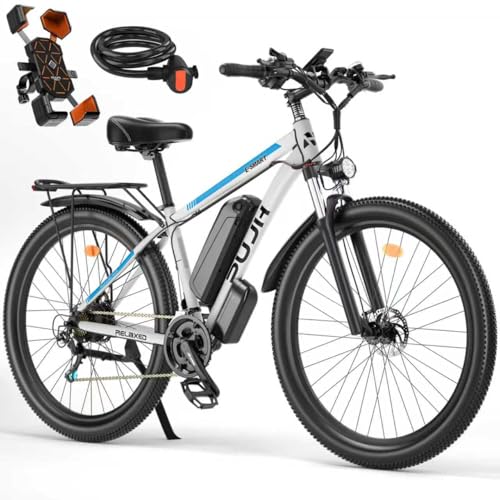
The PUJH Peak model is powered by a peak 1500W brushless motor, delivering strong torque for hills and off-road terrain. Riders can reach top speeds around 28-34 mph, with torque reaching 60 Nm to assist rapid acceleration and heavier loads. The bike supports confident performance on rugged routes and urban roads alike. A high-capacity 48V 17.5Ah battery enables a specified range of 30-80 miles on a single charge, with the battery being lockable, removable, and easy to charge at home or work. Four working modes include Full Throttle with five speed levels, Pedal Assist, Regular Biking with a 21-speed system, and Walking Assist for pushing the bike on foot. Front suspension and disc brakes contribute to ride stability on uneven surfaces.
The model emphasizes versatility for outdoor use, with specifications aimed at riders who value both power delivery and practical daily commuting capabilities. While performance can vary with terrain, weight, and riding style, this e-bike is positioned to handle steep climbs and longer rides without frequent recharging. Its design integrates a robust frame, suspension, and braking system to support off-road adventures and daily transportation needs.
PUJH 1500W Class 3 E-Bike Black

This PUJH model delivers peak 1500W power with a torque punch that supports aggressive acceleration and hill climbing. It can hit roughly 28-32 mph, ideal for confident highway-leaning commutes and off-road exploration. The 48V 17.5Ah battery mirrors the Peak model, offering 30-80 miles of range per charge and featuring a lockable, removable design for convenient charging at home or work. Riding modes mirror the Peak variant: Full Throttle, Pedal Assist, Regular Biking, and Walking Assist. A front suspension and disc brakes contribute to stable handling across varied terrains.
Engineered for riders who want a balance of speed, range, and practicality, this PUJH e-bike emphasizes dependable performance across city and trail environments. Real-world range depends on factors such as rider weight, terrain, and assist level, so planning for moderate terrain and efficient riding will maximize efficiency.
MACFOX X1S Class 3 E-Bike

MACFOX’s X1S blends compact design with performance-focused features. The bike emphasizes wheelies and maneuverability, aiming to be a reliable companion for urban commuting and campus rides. It adheres to a 25 mph maximum speed, keeping it within common class 3 guidelines while preserving safety. A peak power level around 750W (with a 500W continuous rating) delivers strong torque (up to 65 Nm) to navigate challenging terrain. The fat tires, 20″ x 4″, offer stability on varied surfaces and the hydraulic front suspension helps absorb bumps. The design targets rider enjoyment with safety features including UL2849 certification and triple braking protection.
Users should consider the balance between high torque and urban restrictions, ensuring the bike’s weight, battery availability, and ride mode options align with intended use. Its affordability and safety emphasis make it a practical choice for those who want confident performance without excessive speed.
E·Bycco 29″ Electric Bike

E·Bycco presents a high-capacity setup, featuring an 48V 17.5Ah battery rated at 840Wh that supports up to about 70 miles in pedal-assist mode and around 30 miles on throttle mode. The 1000W peak motor enables a top speed of about 34 mph, delivering strong climbing ability and highway-ready performance. The bike includes five riding modes and an intuitive LCD display that tracks speed, battery life, distance, and assistance level. The battery is removable and IP65 waterproof for weather resilience, making it suitable for daily commuting and longer weekend rides.
With a larger 29″ wheel platform and a front suspension, this model emphasizes a balance between comfort and performance for urban roads and light off-road use. Potential buyers should consider maintenance needs for a high-capacity battery and ensure the bike’s weight and frame support align with their typical riding load and terrain.
GENBAIKO 26″ Electric Bikes For Adults

GENBAIKO’s 26″ e-bike is built for riders seeking long-range performance and rugged capability. It features a peak 1500W motor delivering up to 34 mph, with a substantial 864Wh battery enabling up to 90 miles in pedal-assist mode or around 40 miles in throttle mode. The fat tires (26″ x 4″) contribute to stability on sand, snow, and uneven surfaces, while a front rack and rack bag support cargo needs. The bike supports up to roughly 330 lbs, making it suitable for a wide range of riders. A fast 8–9 hour recharge completes the cycle for longer trips.
Designed for adventure and versatility, this GENBAIKO model emphasizes endurance and capacity. Prospective buyers should consider whether the larger battery and fat tires suit their typical terrain and local ride rules, particularly when planning multi-day trips or heavy payloads.
Buying Guide
Key factors to consider when choosing a Class 3 e-bike include motor power, top speed, battery capacity, and range. Higher wattage motors (such as 1500W) typically deliver stronger hill-climbing capability and quicker acceleration, but real-world range depends on terrain, rider weight, and assist settings. Battery capacity (measured in Wh) influences how far you can ride between charges; removable batteries offer flexibility for charging at home or work.
Riding mode variety and comfort features impact daily use. Look for multiple modes (walk, pedal assist, throttle, cruise) to adapt to city commuting and off-road adventures. Brakes should be robust; hydraulic disc brakes paired with front and rear braking systems enhance stopping power, especially at higher speeds or on steep descents. Suspension—front or full—adds comfort on rough pavement and dirt trails, while fat tires improve stability on diverse surfaces.
Frame geometry, weight capacity, and overall build quality affect handling and durability. Consider local regulations around Class 3 e-bikes in your area, including helmet laws and maximum speed limits on various paths. Battery life, charging options, and warranty coverage are practical considerations for long-term ownership. Finally, assess service availability and spare parts access to ensure reliable maintenance and repairs over time.
Quick model takeaways: If you prioritize maximum speed and off-road capability, models with 1500W motors and long-range batteries are compelling. For urban environments with a need for confident acceleration and moderate-range riding, 750W to 1000W options offer a balanced approach. Fat-tire designs excel on mixed surfaces and light trails, while bikes with advanced suspension boost comfort on rough roads. Align your choice with typical terrain, payload, and local e-bike rules to maximize satisfaction and safety.