Choosing the right road bike drop bars can significantly affect handling, comfort, and performance on long rides, climbs, and fast descents. The following five options span alloy and carbon constructions and cover common clamp sizes of 25.4mm and 31.8mm. Each entry includes a direct Amazon link for quick comparison, a concise spec snapshot, and notes on fit and ergonomics. Whether you ride fixed-gear, endurance road, or gravel-adjacent setups, these bars are designed to enhance control, weight savings, and ride quality across a range of rider preferences.
| Product | Brand | Clamp Diameter | Drop (mm) | Reach (mm) |
|---|---|---|---|---|
| BNVB 25.4mm Road Bar (400mm) | BNVB | 25.4 | 130 | 90 |
| UPANBIKE Drop Bar 25.4/31.8mm | UPANBIKE | 25.4 / 31.8 | Not specified | Not specified |
| BNVB 31.8mm Road Bar (400mm) | BNVB | 31.8 | 130 | 100 |
| RXL SL Carbon Drop Bar 31.8 | RXL SL | 31.8 | 127 | 104 |
| RXL SL Carbon UD Matte 31.8 (400mm) | RXL SL | 31.8 | 119 | 77 |
BNVB 25.4mm Road Bar (400mm)
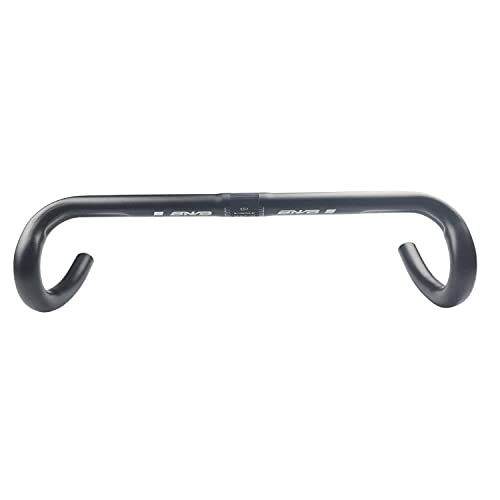
The BNVB bar is built from 6061 T6 aluminum alloy, delivering a lightweight yet durable option with good anti-shock properties and rust resistance. The Black Matt finish gives a low-gloss aesthetic that hides fingerprints. Key dimensions include an outer diameter of 23.7mm and a tube thickness of 3mm, with a clamp diameter of 25.4mm. Bar width is available in 380/400/420mm, and the drop measures 130mm with a reach of 90mm, making it suitable for riders seeking a balanced, moderate drop and ample control on descents.
- Material: 6061 T6 aluminum alloy
- Weight: Lightweight, durable
- Clamp: 25.4mm; Bar width options 380/400/420mm
- Drop: 130mm; Reach: 90mm
- Finish: Black Matt
UPANBIKE Drop Bar 25.4/31.8mm

UPANBIKE offers versatility with two clamp size options: 25.4mm and 31.8mm. The model highlights include end tube diameters of 22.2mm for the 25.4mm variant and 23.7mm for the 31.8mm variant, ensuring a snug fit on compatible handlebars. Both configurations share a lightweight aluminum build and a straightforward fit profile for fixed-gear, road, and entry-level road bikes. For riders swapping between bikes or components, this bar provides a flexible upgrade path with reliable performance and a comfortable reach across sizes.
- Materials: Aluminum alloy
- Clamp Diameters: 25.4mm and 31.8mm
- End Tube Diameters: 22.2mm (25.4mm model); 23.7mm (31.8mm model)
- Compatibility: Fit for fixed-gear and road frames
BNVB 31.8mm Road Bar (400mm)

This BNVB model uses the same 6061 T6 aluminum alloy for a lighter, sturdy ride with anti-shock and rust resistance. It features a 31.8mm clamp diameter, a bar width of 400/420mm, and a 130mm drop with a 100mm reach, offering a slightly deeper drop for riders who want more relative drop without sacrificing control at higher speeds. The Black Matt surface preserves a clean, aerodynamic profile on a variety of bikes and paint finishes.
- Material: 6061 T6 aluminum
- Clamp: 31.8mm
- Bar Width: 400/420mm
- Drop/Reach: 130mm / 100mm
RXL SL Carbon Drop Bar 31.8

Engineered from T700 carbon fiber, this bar weighs roughly 210g (±10g) and features a 31.8mm clamp with a width range of 400/420/440mm. The drop is 127mm and reach is 104mm, with a 3K glossy finish that adds visual appeal and rigidity. Carbon fiber provides weight savings and strong resistance to flex, translating to responsive handling and reduced fatigue on long days. Internal routing is supported in related models for clean lines and steering control. This bar is suited for performance-minded riders seeking a lighter, stiffer drop bar.
- Material: 1.0K carbon fiber (T700)
- Clamp: 31.8mm
- Width: 400/420/440mm
- Drop/Reach: 127mm / 104mm
- Finish: 3K Glossy
RXL SL UD Matte Carbon Drop Bar 400mm

This UD Matte carbon version offers a clean, understated look with a 31.8mm clamp and 400mm width. The model specifies a drop of 119mm and a reach of 77mm, delivering an even more compact riding posture ideal for aggressive riding styles or riders prioritizing aerodynamics. Carbon construction emphasizes weight savings and subtle stiffness, with a matte finish that hides minor scuffs. Internal routing is compatible with road setups that emphasize clean cable management and precise braking response.
- Material: Carbon Fiber (UD Matte)
- Clamp: 31.8mm
- Width: 400mm
- Drop/Reach: 119mm / 77mm
- Finish: UD Matte
Buying Guide
Key purchase considerations
Choosing the right drop bars involves a balance of material, compatibility, and geometry. Carbon bars offer weight savings and aesthetic advantages but cost more and require careful installation. Aluminum bars tend to be more affordable and durable for daily use or training environments. Clamp diameter is a critical compatibility factor: most road bikes use either 25.4mm or 31.8mm. Bar width should align with shoulder width and riding style to maintain efficient fit and control. Drop and reach values influence riding posture; a deeper drop can improve aerodynamic efficiency but may strain the wrists if you have limited flexibility. End-tube diameter and internal routing are extra considerations for integration with existing components and cable management.
Material and weight considerations
Carbon bars, such as the RXL SL options, typically deliver lighter weight and greater stiffness-to-weight ratio, which can enhance sprinting and climbing responsiveness. Aluminum alloy bars, like the BNVB and UPANBIKE selections, offer robust durability at a lower price point and can be more forgiving in everyday riding scenarios. For fixed-gear riders or endurance commuters, the choice often depends on how much weight you want to shave versus budget and impact tolerance for occasional impacts against obstacles.
Geometry and fit considerations
Drop depth (how far the bar extends downward) and reach (horizontal distance from the stem to the brake hoods) determine riding posture. A deeper drop reduces wind resistance but may increase wrist and shoulder strain on longer rides. A shorter reach can offer quicker steering but limit leverage on aggressive descents. Bar width should roughly match shoulder width, typically within a 1–2 cm range for most riders. If you ride with bar-end shifters or integrated brake levers, ensure compatibility with the clamp diameter and the lever geometry of your setup.
Compatibility and installation tips
Always verify that the chosen bar is compatible with your handlebars, stem, shifters, and brake levers. If installing carbon bars, use a torque wrench and adhere to manufacturer torque specifications—commonly around 4 Nm for critical clamps and up to 5–6 Nm for certain components. When upgrading from alloy to carbon, check for any required changes in head tube or headset spacers, and consider re-torquing the stem bolts after a short break-in period. Cable routing preferences (internal vs. external) affect the final aesthetics and maintenance needs of your cockpit.
Performance and value perspectives
Carbon bars are a strong choice for riders prioritizing weight savings and stiffness, which can translate to sharper handling and reduced fatigue on long rides. Aluminum bars provide a reliable, budget-friendly alternative with solid performance and durability. For riders who value the ability to mix and match sizes or swap between bikes, bars available in multiple clamp sizes (like 25.4mm and 31.8mm) offer flexibility. End-users should weigh weight savings against price and potential trade-offs in comfort or vibration damping when selecting between alloy and carbon options.
Quick reference comparisons
- Alloy bars (e.g., BNVB, UPANBIKE) are cost-effective, durable, and widely compatible for everyday use.
- Carbon bars (e.g., RXL SL models) are lighter and provide stiffness and aesthetic benefits, with higher price and care requirements.
- Clamp diameter choices (25.4mm vs 31.8mm) must match the bike’s steerer clamp size and existing levers or shifters.
- Drop and reach values should align with riding style: endurance riders may prefer moderate drops and reach, while racers might opt for deeper drops.
- Bar width should complement shoulder width and cycling posture to maintain comfort and stability.